
How to Use an Analytical Balance
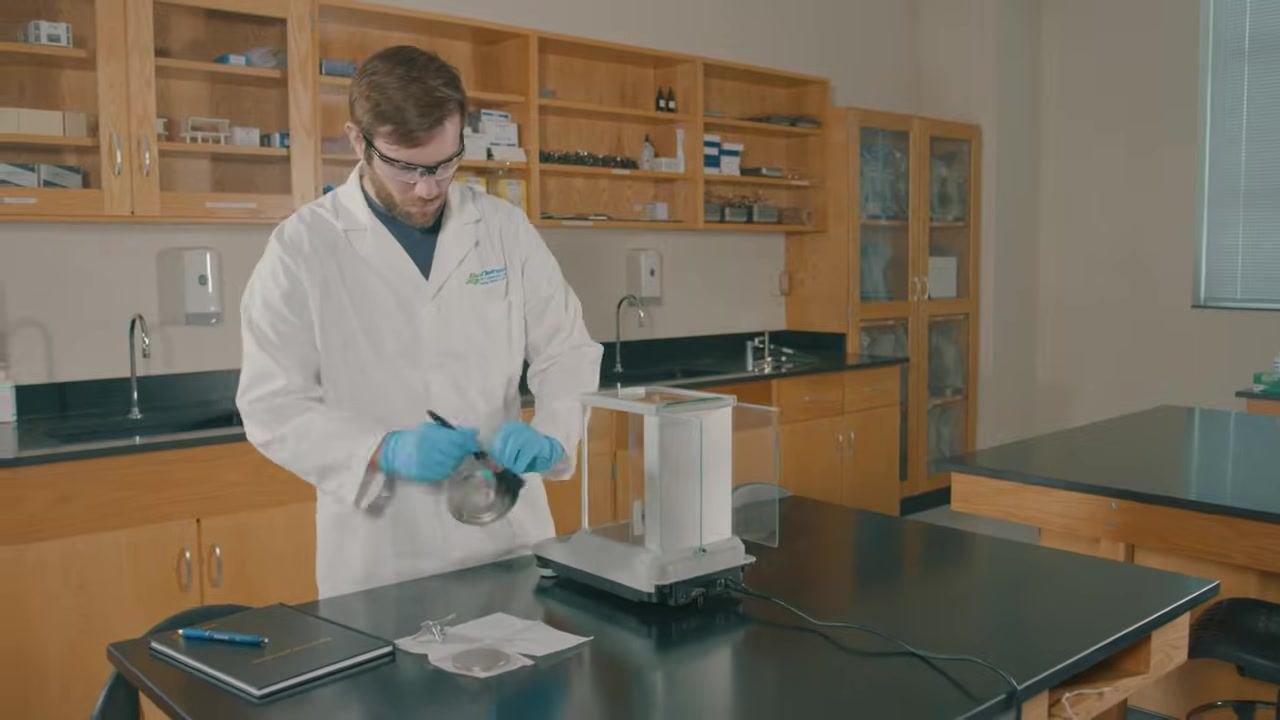
This document explains how to use an analytical balance in the laboratory and provides a calibration and use log suitable for a regulated setting. An analytical balance is one of the most commonly used pieces of equipment in biotechnology laboratories because it is designed for very precise measurements, accurate to four decimal places (0.0001 g). Before use, confirm you are wearing appropriate personal protective equipment (lab coat, gloves, goggles) and that the balance, weigh boats or weighing paper, and a lab notebook are ready.
Video: How to Use an Analytical Balance by BioNetwork (2017). All credit for the demonstration goes to the creator; watch the original on YouTube. The written guide below was generated from this video by Docsie. Creator? Request a change or removal.
This document explains how to use an analytical balance in the laboratory and provides a calibration and use log suitable for a regulated setting. An analytical balance is one of the most commonly used pieces of equipment in biotechnology laboratories because it is designed for very precise measurements, accurate to four decimal places (0.0001 g). Before use, confirm you are wearing appropriate personal protective equipment (lab coat, gloves, goggles) and that the balance, weigh boats or weighing paper, and a lab notebook are ready.
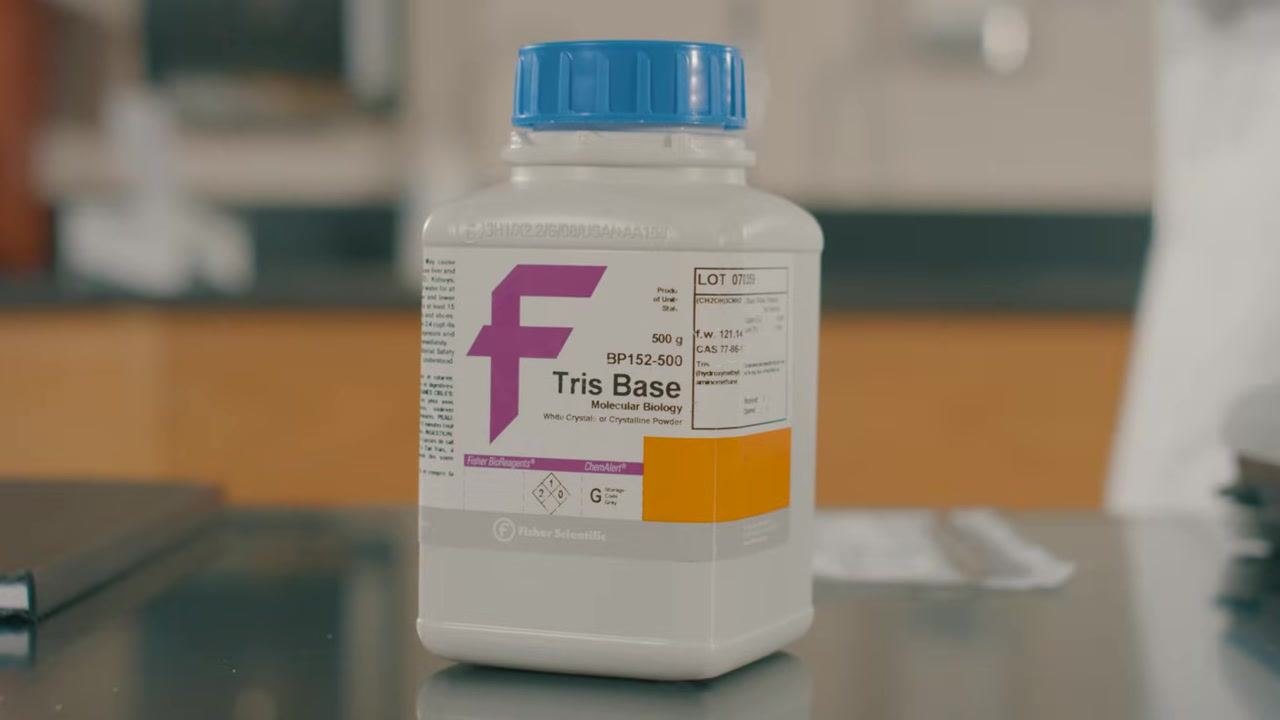
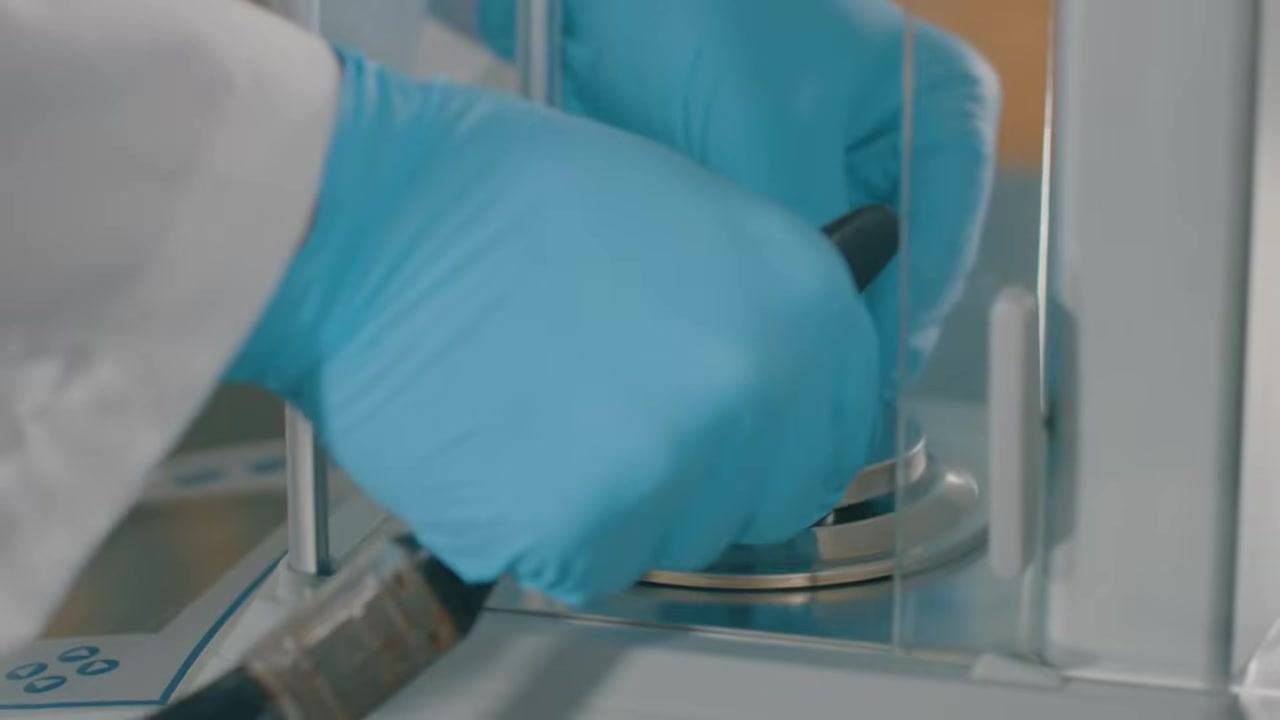
Instrument Details
| Field | Details |
|---|---|
| Instrument ID | Not specified in the source material; a regulated log should record a unique instrument identifier. |
| Model | Not specified in the source material; the example balance referenced has a maximum weight capacity of 310 grams. |
| Serial Number | Not specified in the source material. |
| Location | A steady, vibration-free surface, such as a marble counter or laboratory workbench, positioned away from doorways and air vents. |
| Owner / Responsible Department | Biotechnology laboratory personnel using the balance for precise chemical measurements. |
| Intended Use | Weighing small quantities of chemicals (such as sodium bicarbonate and Tris Base) with precision to 0.0001 g. The balance is not intended for weighing heavy items. |
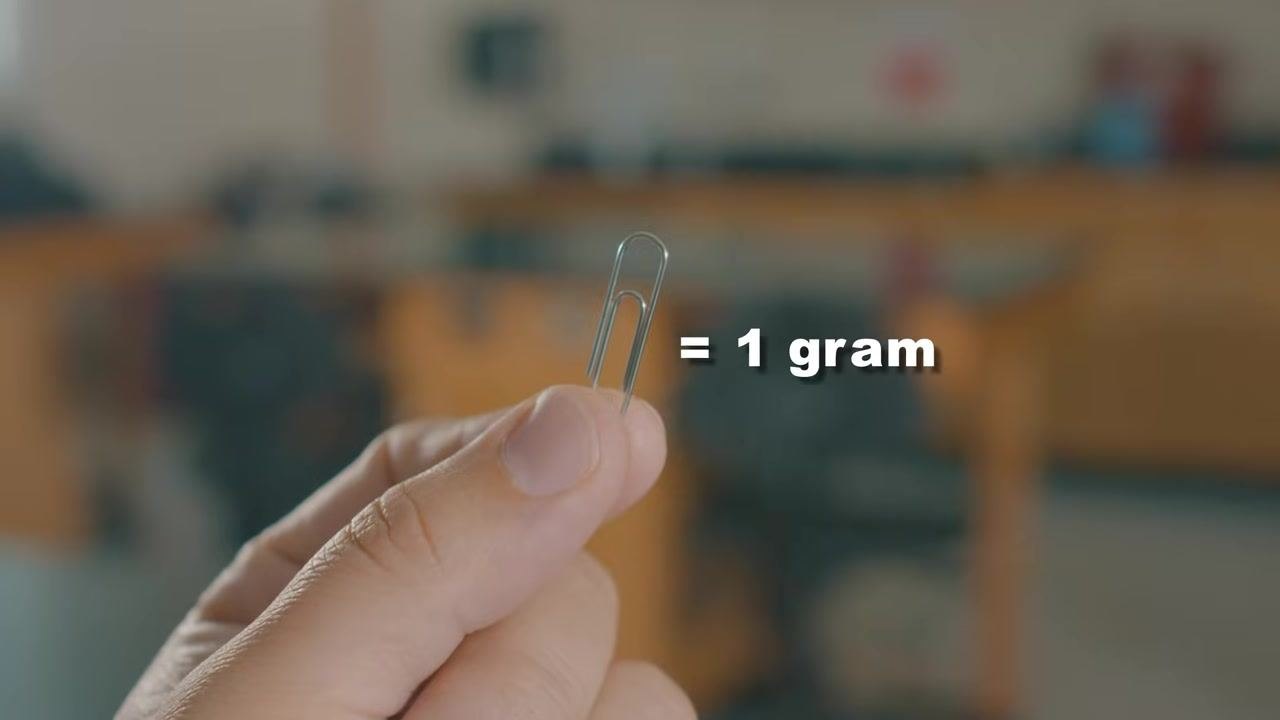
- A small paper clip weighs about 1 gram, giving a useful reference for the scale of items the balance is meant to handle.
- Do not weigh items heavier than the maximum capacity, as this will damage the balance.
Calibration Schedule
The source material does not specify a formal calibration frequency, due date, calibration procedure reference, or responsible role for periodic calibration; a regulated log should capture these details in full.
Before each weighing session, complete the following pre-use verification steps:
| Step | Action |
|---|---|
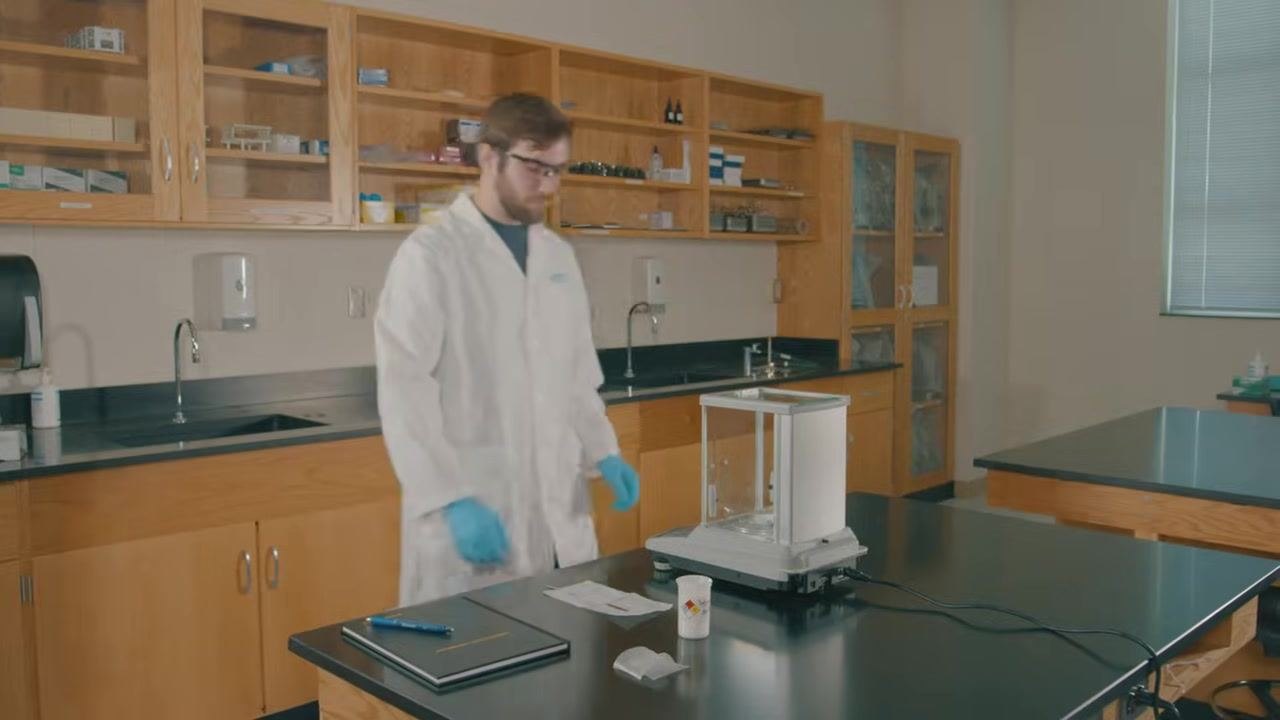
| 1. Select workspace | Place the balance on a steady, vibration-free surface, away from doorways or air vents where air currents could affect accuracy. |
| 2. Level the balance | Check the leveling bubble and adjust the balance feet until the air bubble is centered inside the black ring. |
| 3. Warm up | If the balance has been unplugged or turned off, allow it to warm up and reach its required operating temperature before use. |
Standards Used
The source material does not reference certified reference standards, lot numbers, certificates, expiration dates, or traceability documentation; a regulated calibration log should list these items where applicable.
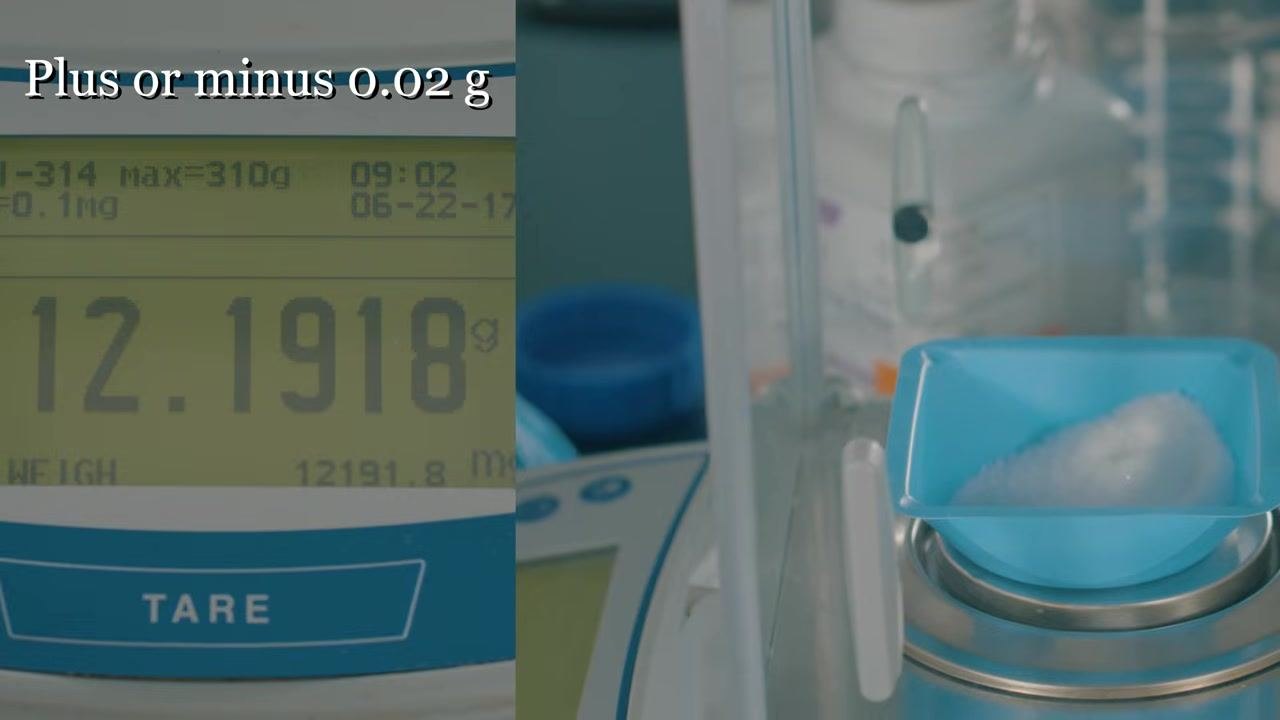
The observed procedures instead describe target sample weights used during routine weighing, for example a target of 1.5 grams of sodium bicarbonate and 12.19 grams of powdered Tris Base, with an acceptance range of 12.17–12.21 g (±0.02 g) for the Tris Base example.
Calibration Results
Follow these steps when weighing a sample, using weighing paper for quantities under five grams:
- Fold opposite corners of the weighing paper together and crease; repeat for the other set of corners to create a stable surface.
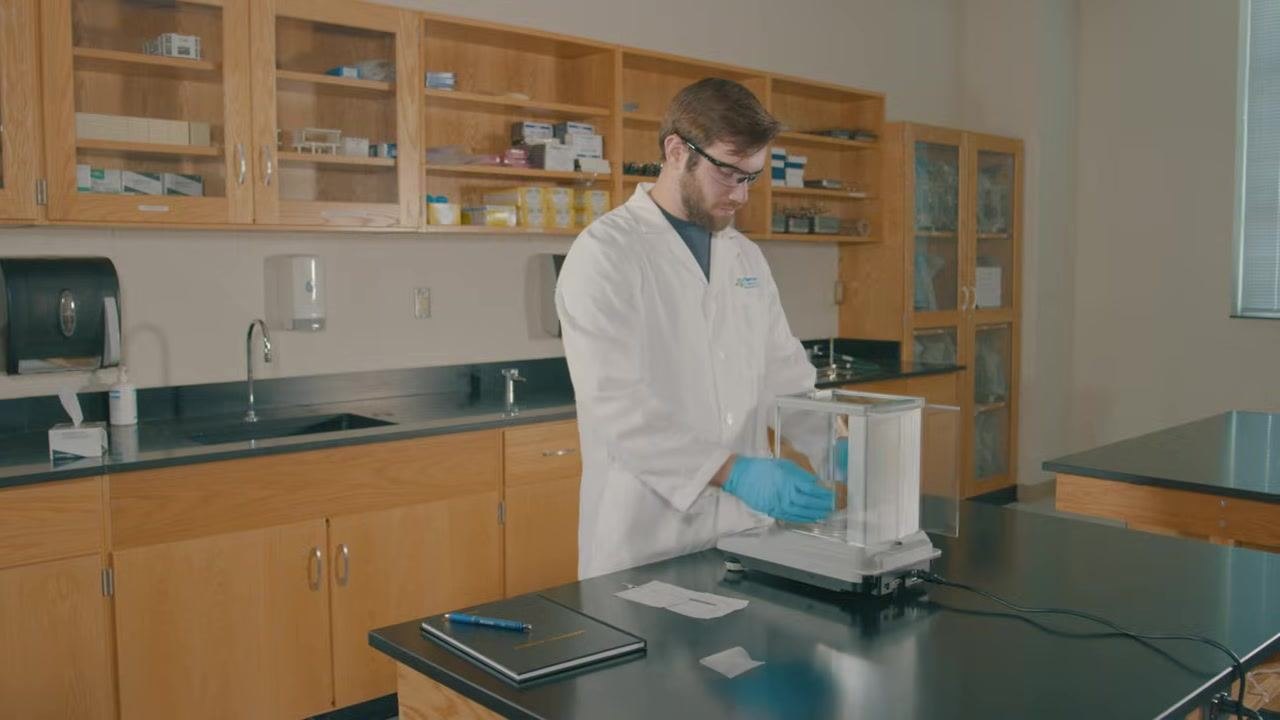
- Open the balance's side doors and place the folded weighing paper on the balance pan.
- Close the side doors and press the TARE button to zero out the weight of the paper.
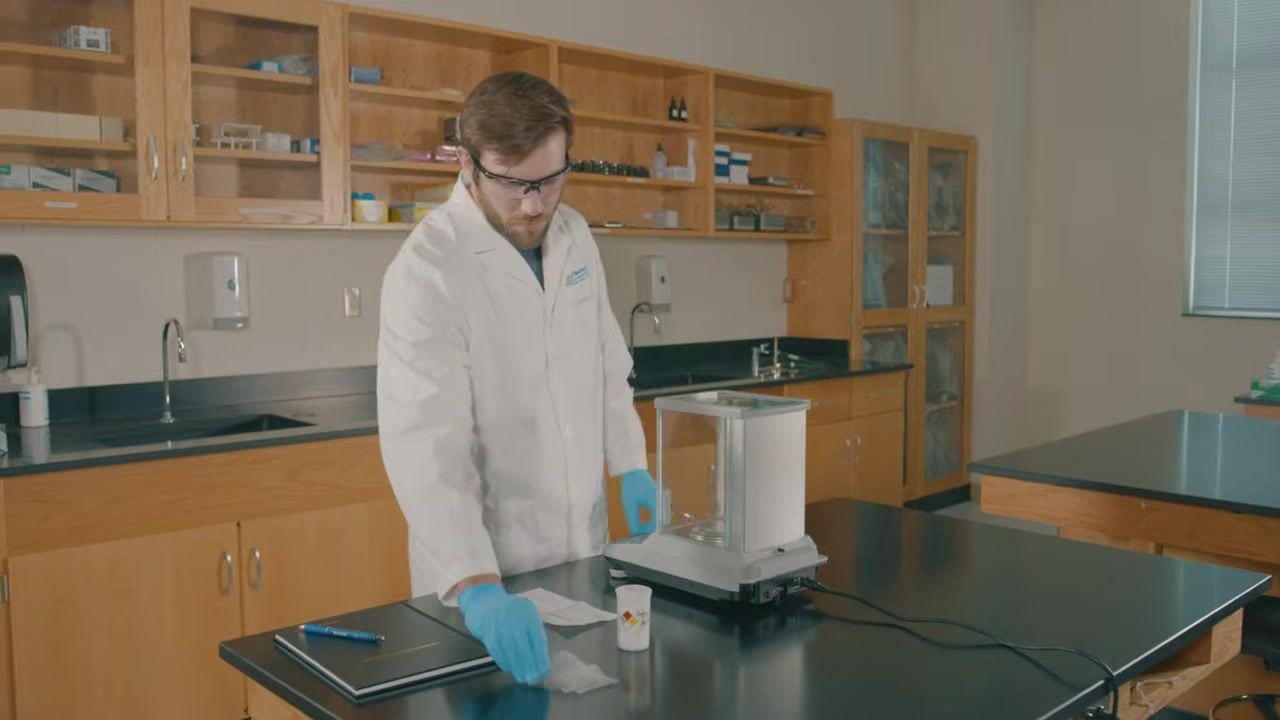
- Use a lab scoop to slowly add sample to the weighing paper on the pan.
- Close the glass doors after each addition to prevent air currents from affecting the reading, and wait for the balance to stabilize before reading the value.
The table below records the measured values observed during use:
| Sample | Target Weight | Measured Weight | Acceptance Limit | Status | Analyst Initials |
|---|---|---|---|---|---|
| Sodium bicarbonate | 1.5 g (targeted toward 1.0000 g on the display) | 1.4296 g | Not specified in source | Recorded | Not specified in source |
| Powdered Tris Base | 12.19 g | 12.1918 g | 12.17–12.21 g (±0.02 g) | Pass | Not specified in source |
For larger quantities, use a weigh boat instead of weighing paper: place the weigh boat on the pan, close the doors, press TARE to zero the boat, then slowly add material until the display reads the target value, closing the doors before taking the final reading.
Record every final weight in the lab notebook immediately after the reading is taken.
Maintenance
Perform the following maintenance actions at the end of a weighing session, especially at the end of the day:
| Action | Details |
|---|---|
| Standby / power down | Put the balance into standby mode or unplug it once weighing is complete. |
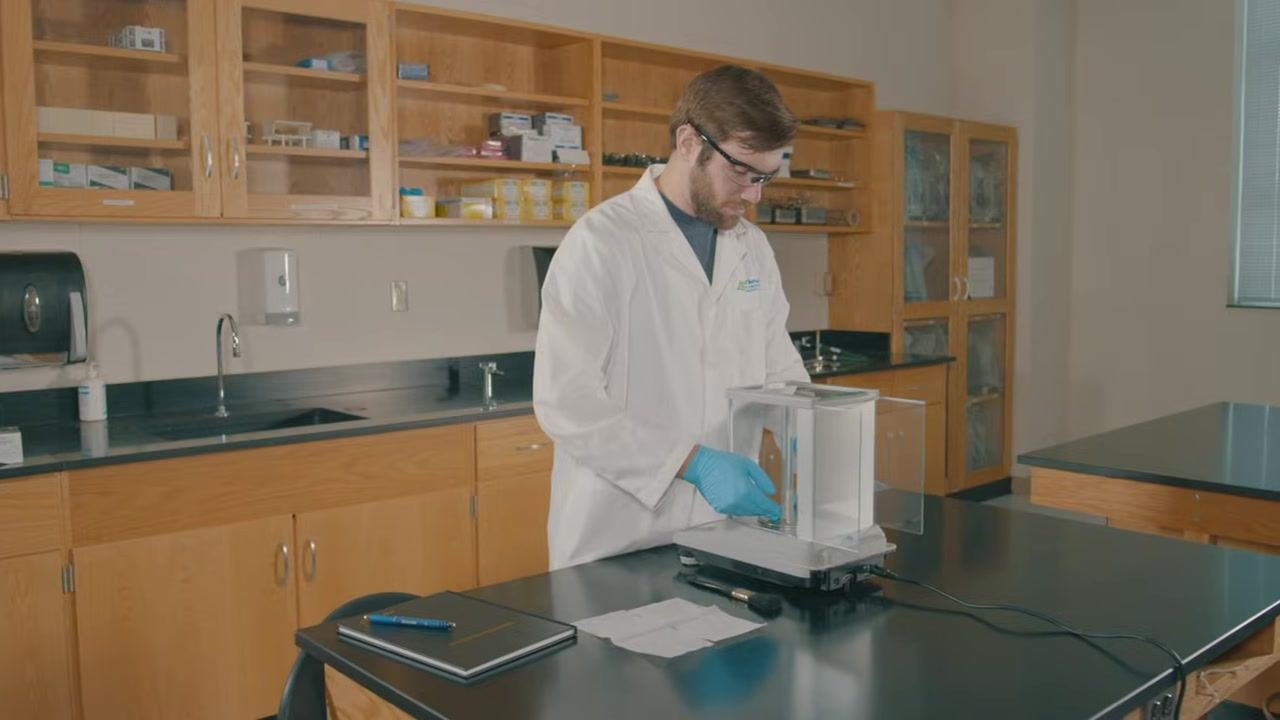
| Remove components | Lift the weigh pan and other removable components straight up and out. |
| Clean chamber | Use a very soft bristle paintbrush to sweep off remaining powder inside the weigh chamber and in the grooves for the glass doors. |
| Clean with vacuum | Use a soft brush or vacuum tool to remove remaining powder or debris from the weigh pan and chamber as an additional cleaning method. |
| Reassemble | Once clean, replace the drip ring and the weigh pan. |
| Date | Action | Parts Removed / Replaced | Performed By | Service Provider |
|---|---|---|---|---|
| Not specified in source | Cleaning and reassembly per steps above | Weigh pan, drip ring | Not specified in source | Not specified in source |
Out-of-Tolerance Actions
The source material does not describe a formal out-of-tolerance procedure, impact assessment, affected data review, quarantine process, or corrective action; a regulated log should define each of these steps.
One related caution from the source: never weigh an item heavier than the balance's maximum capacity, as doing so will damage the balance and should trigger removal from service pending inspection.
Approval
The source material does not include a reviewer name, approval date, or release-to-use decision; a regulated log should record who reviewed the results and confirmed the balance's release to service.
What's Next
After practicing hands-on use of the analytical balance with appropriate personal protective equipment, clean the balance and organize the workspace by returning chemicals and equipment to their designated storage locations. If further training is needed, life science courses can be found through resources such as nccommunitycolleges.edu or ncbionetwork.org.
Generation details: cost, quality tiers, downloads
Docsie billed 2,000 credits ($1.40) to analyze this 4-minute video at standard quality. The rewrite, template fill and Word/PDF exports were included. The same video at each quality tier:
| Quality | Frames sampled | Credits | Approx. cost |
|---|---|---|---|
| Draft | every 16-30 s | 1,000 | $0.70 |
| Standard (this guide) | every 8-15 s | 2,000 | $1.40 |
| Detailed | every 4-7 s | 4,000 | $2.80 |
| Ultra | every 1-3 s | 8,000 | $5.60 |
Credits priced at $0.70 per 1,000; plans include a monthly allowance. Enterprise customers on on-premise or bring-your-own-model deployments run this on their own inference and pay no per-video credits.
Generated by Docsie Video-to-Docs on 2026-09-28 from a 3-minute video. It was generated straight into Docsie's Instrument Calibration Log template, so every section of that template is filled from the video. Screenshots are frames from the source video and belong to their creator, BioNetwork, whose original is embedded above. If you own this video and want the guide removed or credited differently, contact us and we will act within one business day.