
How to Give a Bed Pan
This procedure explains how to give a bed pan to a person who cannot physically get to the toilet because of injury, illness, or surgery. It covers assessment of the person's mobility, step-by-step positioning and use of the bed pan, cleanup and hygiene, and the emotional support needed to preserve the person's dignity throughout the process.
Video: How to use a Bed Pan - Tips for Caregivers by CareChannel (2019). All credit for the demonstration goes to the creator; watch the original on YouTube. The written guide below was generated from this video by Docsie. Creator? Request a change or removal.
This procedure explains how to give a bed pan to a person who cannot physically get to the toilet because of injury, illness, or surgery. It covers assessment of the person's mobility, step-by-step positioning and use of the bed pan, cleanup and hygiene, and the emotional support needed to preserve the person's dignity throughout the process.
Purpose & Scope
This procedure applies to caregivers assisting a person in bed who is unable to walk to the toilet due to injury, illness, or surgery. Using a bed pan correctly keeps the person clean and dry and reduces the risk of skin issues that can occur with briefs. It applies in a home-care or bedside setting where the caregiver has direct, one-on-one responsibility for the person.
Patient Assessment
Before beginning, assess the person's level of mobility to determine how the bed pan should be positioned. This assessment determines which positioning method is used in the Care Protocol section below.
| Assessment question | What it tells you |
|---|---|
| Can the person bend their knees and raise their hips? | They can assist directly; place the waterproof pad and slide the bed pan under them while they lift. |
| Can the person roll onto their side independently? | Use the side-roll method to position the waterproof pad and bed pan. |
| Can the person wipe themselves? | Place toilet paper or wet wipes within easy reach and give them privacy. |
| Can the person lift their hips at the end? | Determines whether the bed pan is removed by lifting or by rolling onto the side while you hold the pan steady. |
This source does not provide vital sign monitoring frequency, a standardized pain assessment tool, or neurovascular check criteria; these should be added according to your facility's standard assessment protocol.
Care Protocol
Phase 1: Preparation
Gather all supplies before beginning so that everything is within reach:
- Bed pan
- Toilet paper or wet wipes
- Waterproof bed pad
- Any skincare products the person uses
- Disposable gloves
- Hand sanitizer
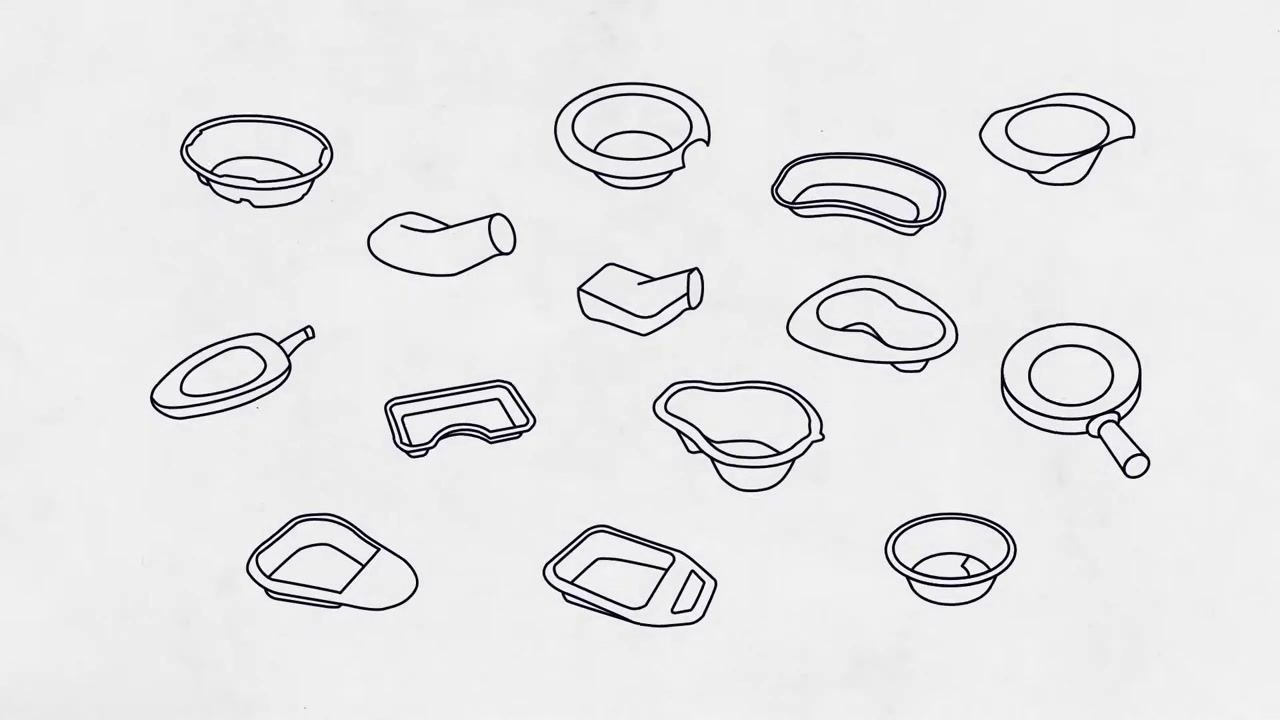
Bed pans come in different shapes and sizes and are made from metal or hard plastic. The standard bedpan is contoured for comfort, while the fracture or slipper pan is wedge-shaped and easier to slide under a person with broken bones, missing limbs, or paralysis.
Wash your hands thoroughly and put on disposable gloves before any contact with the person.
Phase 2: Positioning and use
Based on the assessment above, use one of the following methods:
- If the person can bend their knees and raise their hips: ask them to do so, place the waterproof pad on the bed, and slide the bed pan under their bottom.
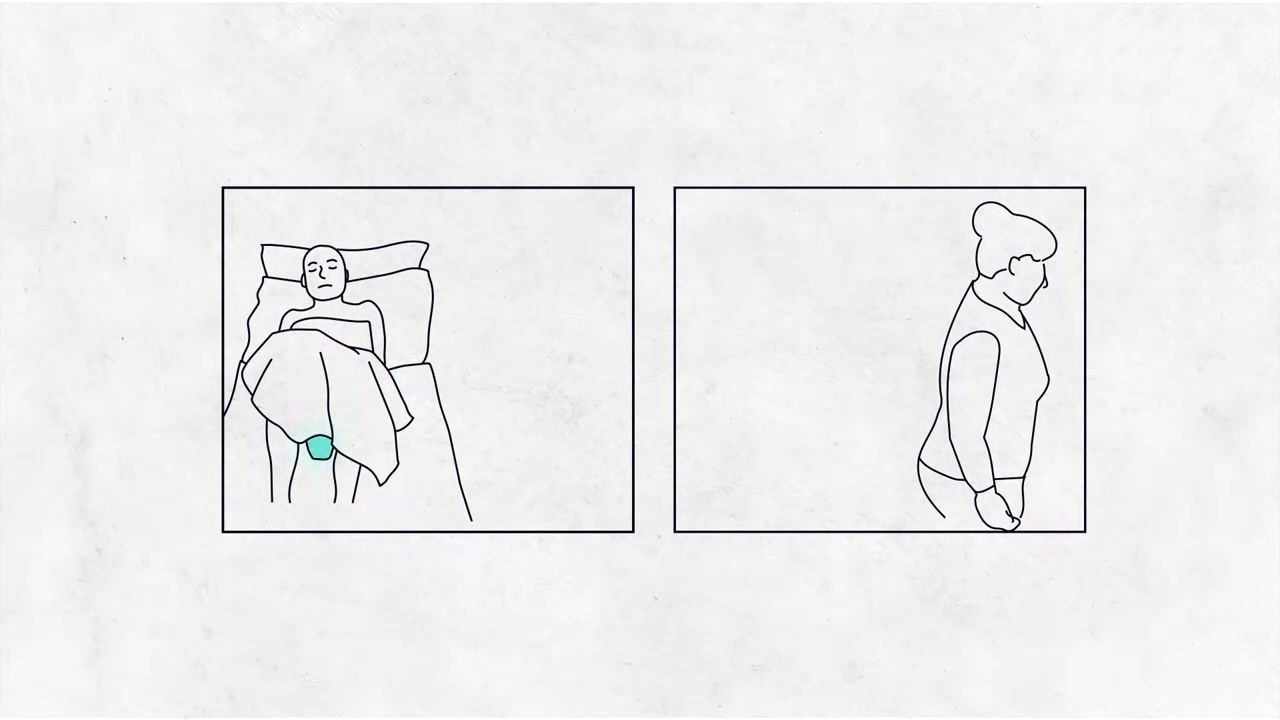
- If the person cannot move easily: help them roll onto their side, then position the waterproof bed pad and bed pan under them.
With one hand holding the bed pan in place, gently help the person roll back onto it. Getting the bed pan into the correct position may take a few tries, so be patient. Keep the environment calm, all supplies within reach, gloves on, and the person covered with a towel or blanket for dignity.
Once the bed pan is in position, prop the person up with pillows or raise the head of the bed. An upright position is more natural for using the toilet.
If the person can wipe themselves, place toilet paper or wet wipes within easy reach and instruct them to place used paper or wipes in the bed pan when finished. Leave the room or area to give privacy, but stay nearby in case they need assistance.
Phase 3: Removal and cleanup
Once the person is finished, return to assist with removing the bed pan.
- If the person can lift their hips and has wiped themselves, ask them to lift their hips so you can remove the bed pan and bed pad, then apply any necessary creams.
- If the person cannot lift their hips, help them roll onto their side while holding the bed pan steady to prevent spills.
- Remove the bed pan carefully, as it may stick to the skin.
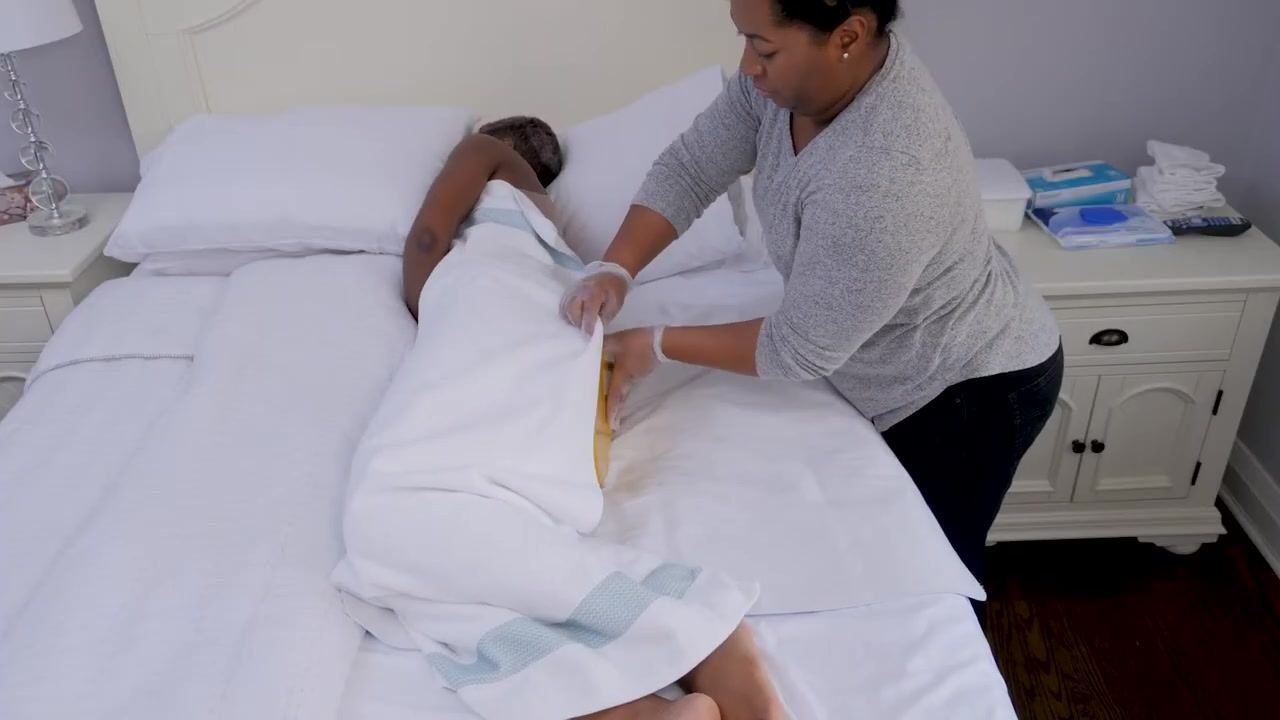
Clean the person using toilet paper, wet wipes, or a warm damp cloth as needed, and dry the skin thoroughly to prevent rashes or bed sores. Discard the used bed pad and apply any required creams or ointments.
Fix the person's clothes and bed linens for comfort, and encourage them to wash their hands with sanitizer to help prevent infection.
Carefully empty the contents of the bed pan into the toilet. If wet wipes were used, dispose of them in the garbage rather than flushing. Clean and disinfect the bed pan according to manufacturer instructions before storing it.
After emptying, rinse the bed pan thoroughly each time to remove all residue, and clean it regularly with soap and water, following manufacturer instructions for disinfection.
Pain Management
This source does not describe any medication, dosing, or pain-score protocol related to bed pan use; a facility's standard multimodal pain management plan and escalation pathway should be referenced where applicable.
Mobility Milestones
Positioning for bed pan use depends on the person's current mobility rather than a day-by-day recovery timeline:
| Mobility level | Positioning method |
|---|---|
| Can bend knees and raise hips | Place pad, slide bed pan under while person lifts hips |
| Cannot move easily | Roll onto side, position pad and bed pan, then roll back |
| Can lift hips at end | Lift hips for bed pan and pad removal |
| Cannot lift hips at end | Roll onto side while bed pan is held steady for removal |
This source does not include a progressive mobility timeline (such as bed exercises, chair transfer, or ambulation milestones); such a timeline should be drawn from the person's individual care plan.
Complication Monitoring
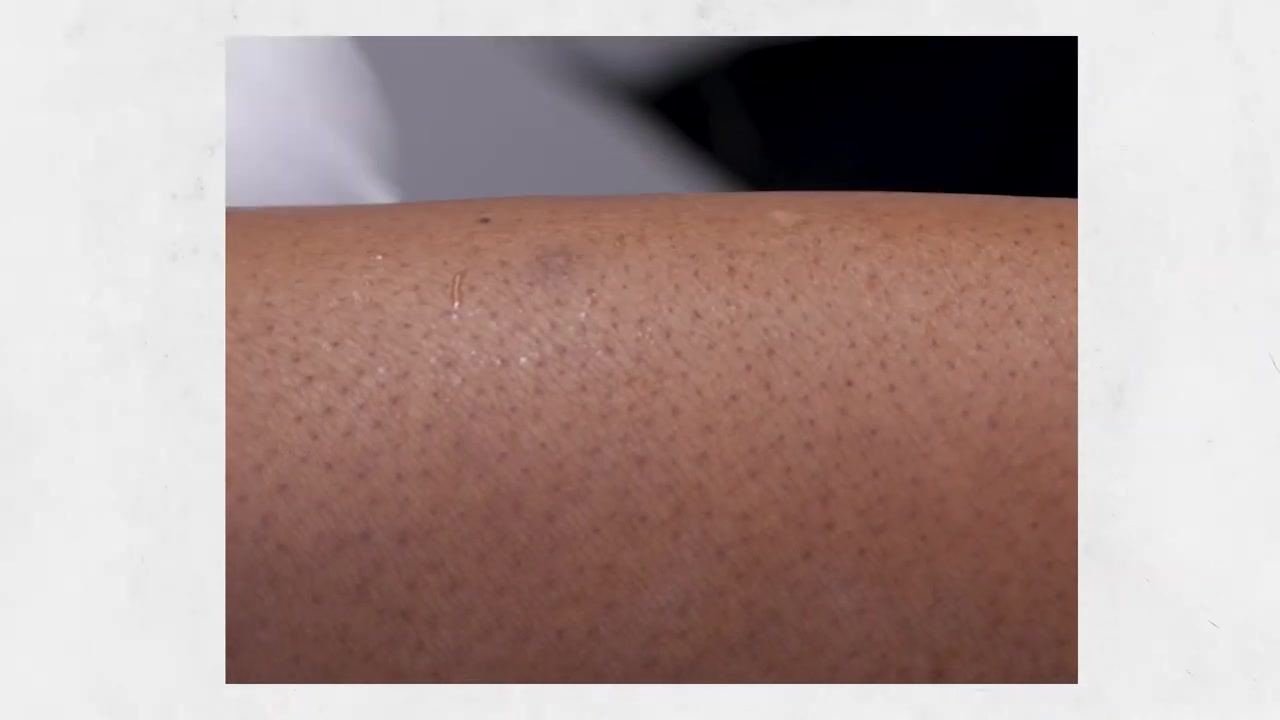
Watch for skin issues such as rashes or bed sores, which can result from moisture left on the skin; drying the skin thoroughly after cleaning helps prevent this. Note that the bed pan may stick to the skin during removal, so remove it carefully to avoid skin injury. If you have questions or concerns about medical care, consult a healthcare professional.
Discharge Criteria
This source does not describe discharge criteria, as it addresses an ongoing bedside caregiving task rather than a hospital stay; discharge readiness should be determined according to the person's overall clinical condition and facility policy.
Patient Education
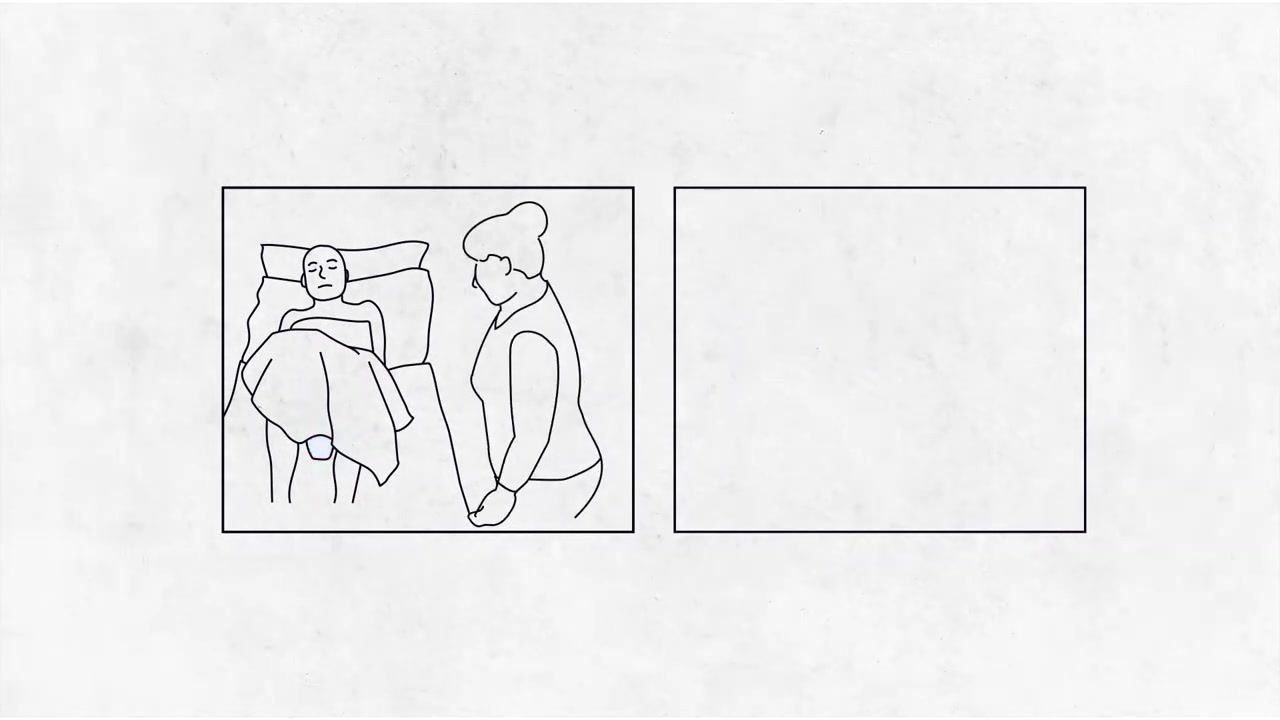
Recognize that using a bed pan can be embarrassing for the person and may feel awkward for the caregiver, and that these feelings are normal for both parties. Approach the situation with patience and empathy, reassuring the person that comfort with the process will improve over time.
Throughout the process, maintain the person's dignity, comfort, and privacy, and use gentle communication and proper hygiene practices. Caregiving skills such as bed pan assistance are learned over time, and caregivers are encouraged to seek additional resources, tips, and support from trusted caregiving organizations to continue improving.
What's Next
Continue practicing proper hygiene and positioning techniques with each use, and refer to trusted caregiving resources for additional tips as you build confidence and skill in bedside toileting assistance.
Generation details: cost, quality tiers, downloads
Docsie billed 2,000 credits ($1.40) to analyze this 4-minute video at standard quality. The rewrite, template fill and Word/PDF exports were included. The same video at each quality tier:
| Quality | Frames sampled | Credits | Approx. cost |
|---|---|---|---|
| Draft | every 16-30 s | 1,000 | $0.70 |
| Standard (this guide) | every 8-15 s | 2,000 | $1.40 |
| Detailed | every 4-7 s | 4,000 | $2.80 |
| Ultra | every 1-3 s | 8,000 | $5.60 |
Credits priced at $0.70 per 1,000; plans include a monthly allowance. Enterprise customers on on-premise or bring-your-own-model deployments run this on their own inference and pay no per-video credits.
Generated by Docsie Video-to-Docs on 2026-10-02 from a 3-minute video. It was generated straight into Docsie's Patient Care Procedure template, so every section of that template is filled from the video. Screenshots are frames from the source video and belong to their creator, CareChannel, whose original is embedded above. If you own this video and want the guide removed or credited differently, contact us and we will act within one business day.