
How to Thaw Frozen Food Safely
This HACCP (Hazard Analysis and Critical Control Points) plan documents the safe handling procedures for storing, thawing, and cooking raw steaks at home. It sets out how to thaw frozen food safely by identifying the risks at each stage—storage, thawing, cooking, and resting—and defining the controls needed to keep steaks safe to eat. The plan is intended for anyone preparing fresh beef, lamb, or pork in a home kitchen setting.
Video: How to Thaw Foods Properly by USDAFoodSafety (2015). All credit for the demonstration goes to the creator; watch the original on YouTube. The written guide below was generated from this video by Docsie. Creator? Request a change or removal.
This HACCP (Hazard Analysis and Critical Control Points) plan documents the safe handling procedures for storing, thawing, and cooking raw steaks at home. It sets out how to thaw frozen food safely by identifying the risks at each stage—storage, thawing, cooking, and resting—and defining the controls needed to keep steaks safe to eat. The plan is intended for anyone preparing fresh beef, lamb, or pork in a home kitchen setting.
Process scope
| Element | Description |
|---|---|
| Product | Fresh raw steaks (beef, lamb, and pork), purchased packaged from a grocery store or butcher |
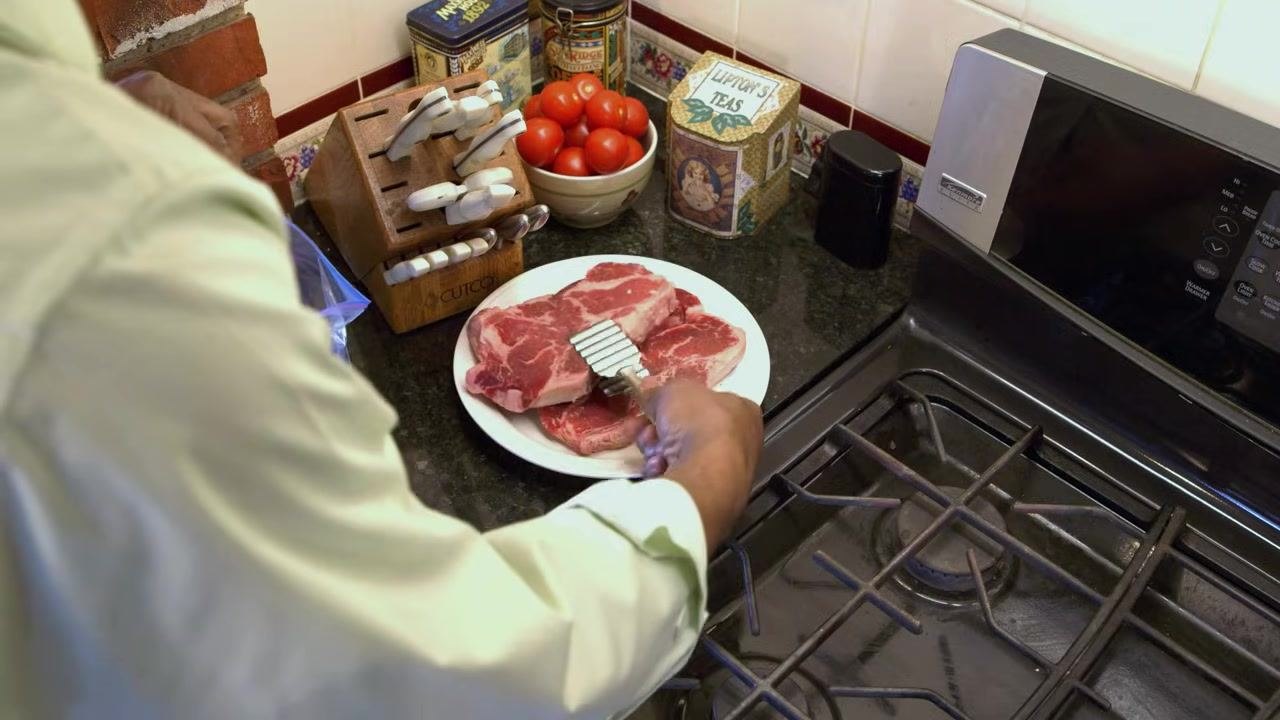
| Location | Home kitchen — refrigerator, sink/countertop, and stove |
| Preparation steps | Refrigerated or frozen storage, thawing (refrigerator, microwave, or cold water method), cooking, and resting |
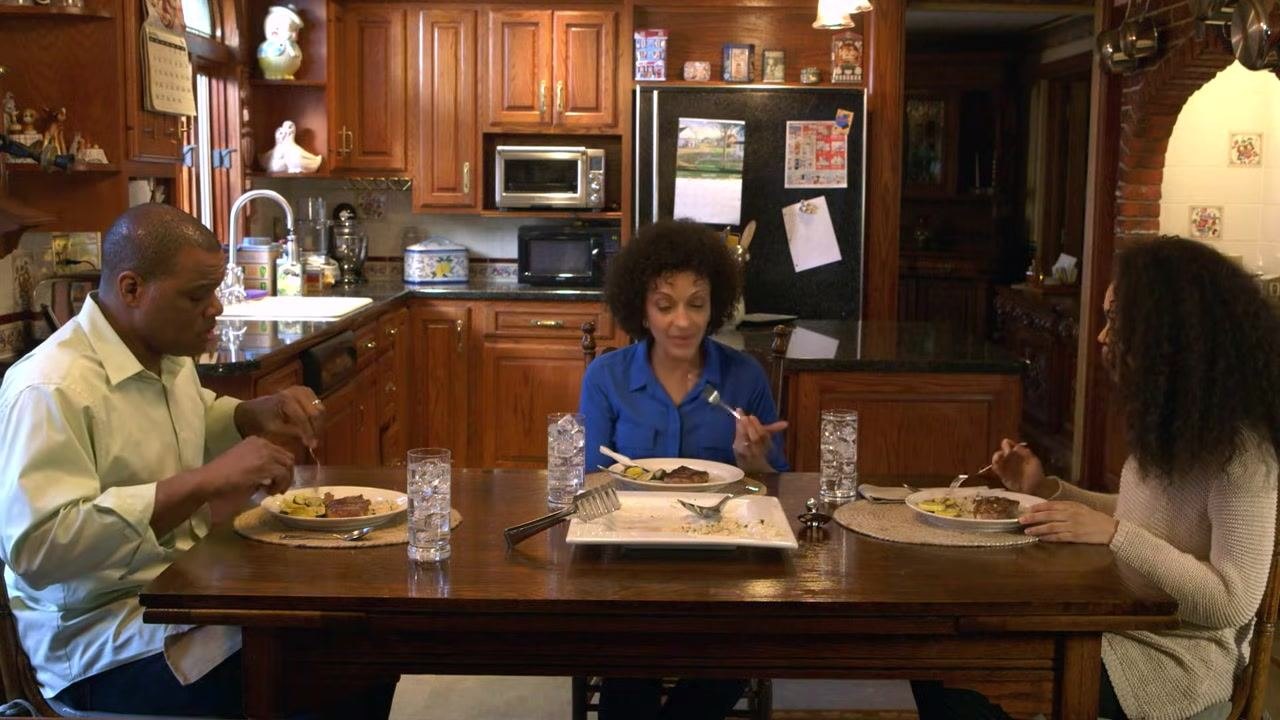
| Service method | Home-cooked meal served directly at the dining table |
| Intended consumers | Family members and guests |
Hazard analysis
| Process step | Biological hazard | Chemical hazard | Physical hazard |
|---|---|---|---|
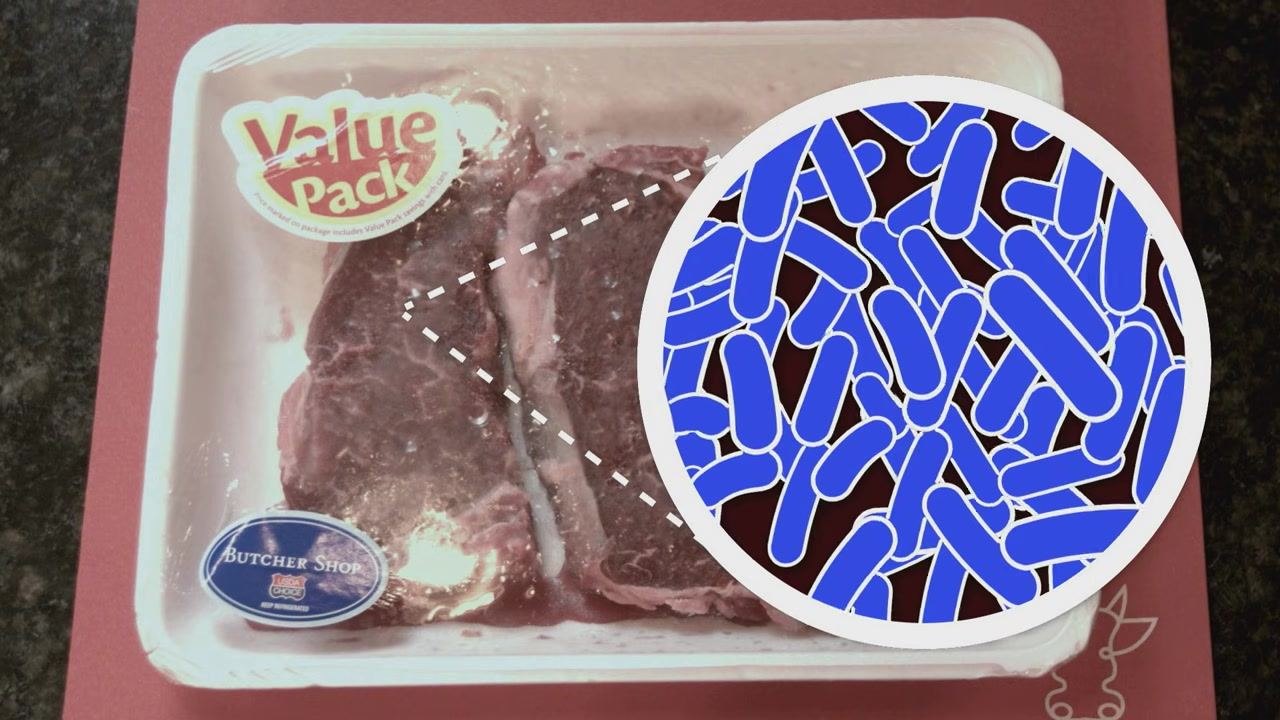
| Refrigerated storage | Bacterial growth increases if steaks are kept beyond 3–5 days | Not addressed in this plan; a complete analysis would document risks from cleaning agents or packaging materials | Not addressed in this plan; a complete analysis would document risks such as bone fragments or packaging debris |
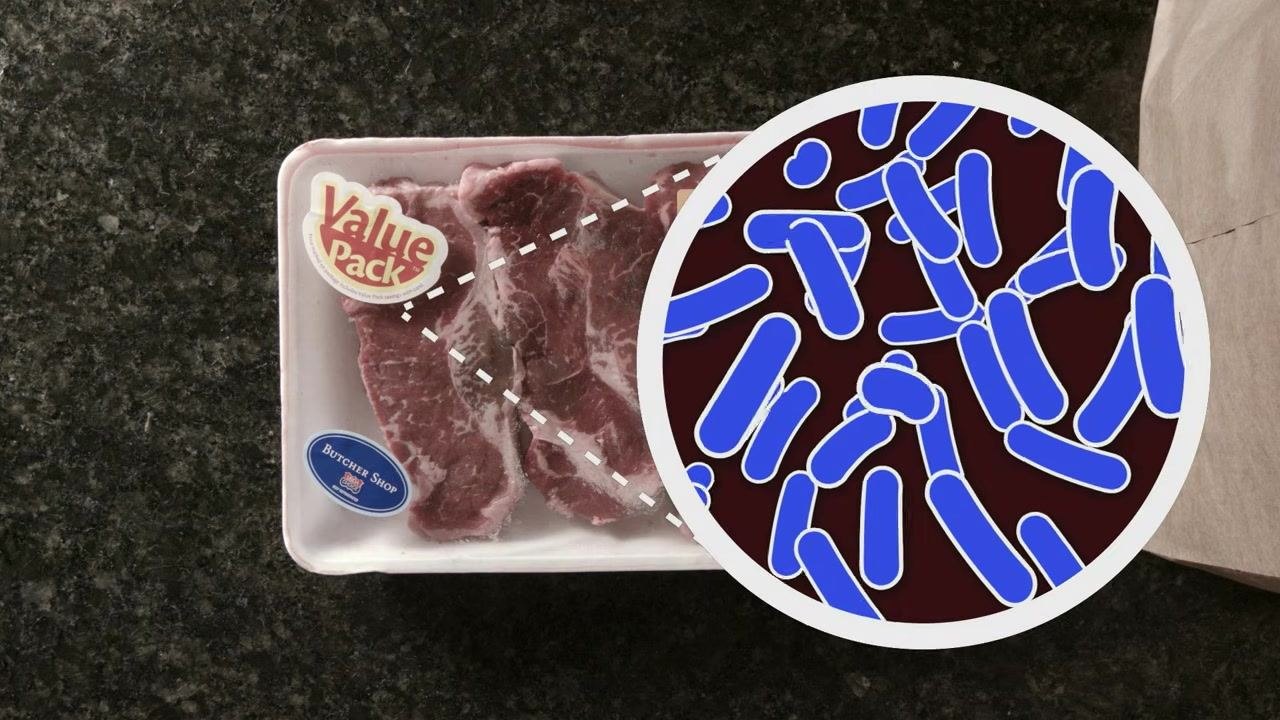
| Freezing | Freezing slows but does not kill bacteria; frozen meat must be handled as if bacteria are present | Same as above | Same as above |
| Thawing at room temperature (not permitted) | Rapid bacterial multiplication when meat is left on the counter | Same as above | Same as above |
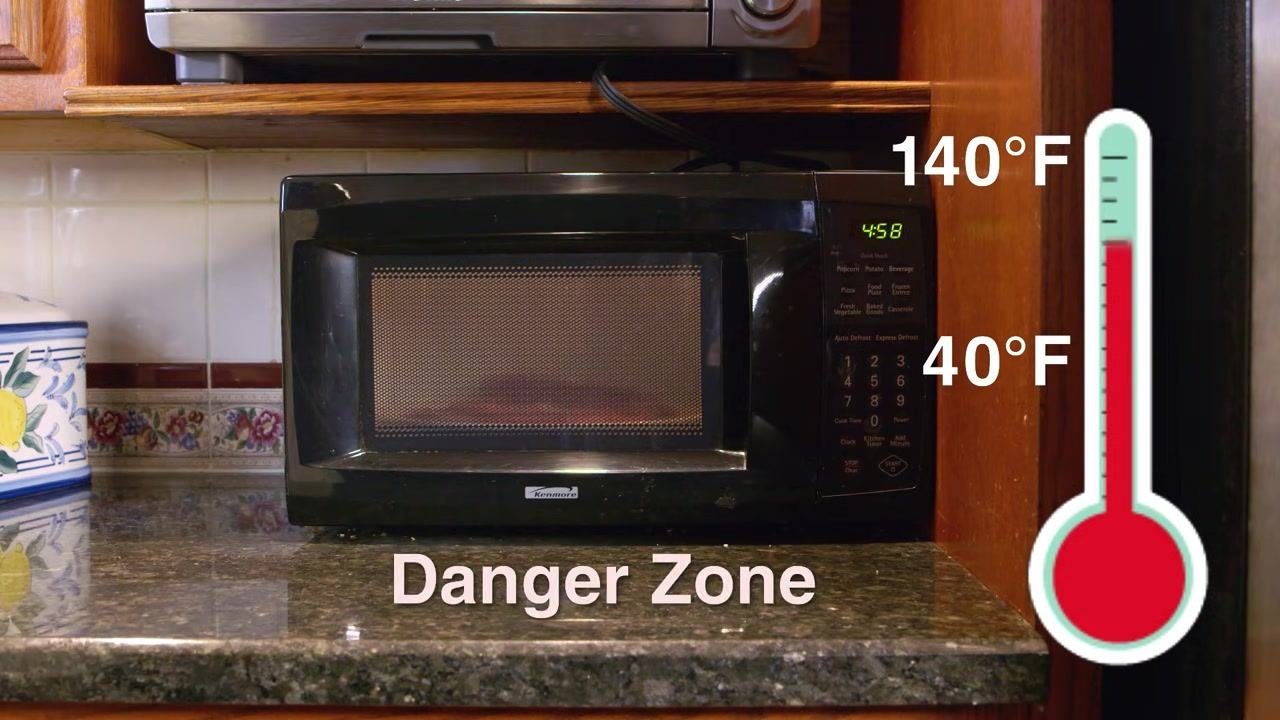
| Thawing in microwave | Meat may enter the 40°F–140°F danger zone, where bacteria can double in as little as 20 minutes | Same as above | Same as above |
| Thawing in refrigerator | Low risk, provided temperature stays below 40°F | Same as above | Same as above |
| Thawing in cold water | Risk of contamination if the bag is not airtight, or of bacterial growth if water is not changed regularly | Same as above | Same as above |
| Cooking | Bacteria survive if internal temperature does not reach 145°F | Same as above | Same as above |
Critical control points
| CCP | Critical limit | Responsible role | Required equipment |
|---|---|---|---|
| Refrigerated storage before use | Store fresh steaks for no more than 3–5 days; freeze if not used within this window | Person preparing the meal | Refrigerator, freezer |
| Thawing method — refrigerator | Keep steaks below 40°F throughout thawing; allow up to 24 hours to fully defrost | Person preparing the meal | Refrigerator |
| Thawing method — microwave | Cook immediately after microwave defrosting to prevent extended time in the 40°F–140°F danger zone | Person preparing the meal | Microwave |
| Thawing method — cold water | Seal steaks in an airtight bag, submerge fully in cold water, change the water every 30 minutes, and cook immediately once thawed | Person preparing the meal | Airtight plastic bag, sink or large container, cold tap water |
| Cooking temperature | Cook steaks to an internal temperature of 145°F, checked in the thickest part | Person preparing the meal | Food thermometer, pan or grill, stove |
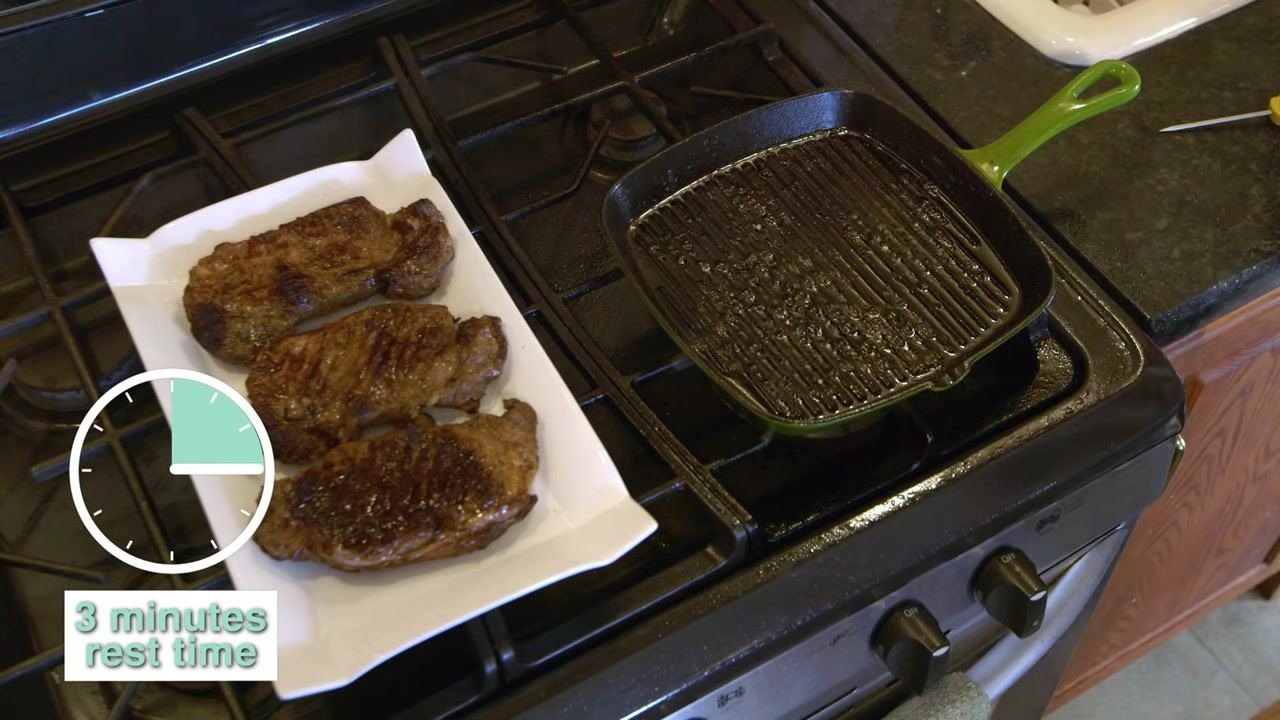
| Post-cooking rest | Rest cooked steaks for 3 minutes before serving | Person preparing the meal | Plate, timer |
Monitoring
| What is checked | Frequency | Method | Record location |
|---|---|---|---|
| Refrigerator storage duration | At purchase and before cooking | Compare storage time against the 3–5 day limit | Not specified in this plan; a complete monitoring system would log storage dates in a kitchen tracking sheet |
| Water temperature during cold water thawing | Every 30 minutes | Drain and refill sink or container with fresh cold water | Same as above |
| Thawing time estimates | Throughout the thawing process | Small packages (about 1 lb): up to 1 hour; larger packages (3–4 lbs): 2–3 hours; whole poultry: about 30 minutes per pound | Same as above |
| Internal cooking temperature | During cooking, before removing from heat | Insert food thermometer into the thickest part of the steak to confirm 145°F | Same as above |
| Rest time | Immediately after cooking | Time 3 minutes before serving | Same as above |
Corrective actions
- If meat has been left to thaw at room temperature on the counter, do not use it; this method allows bacteria to multiply rapidly and is not a safe practice under this plan.
- If steaks are thawed in the microwave, cook them immediately; do not hold thawed meat before cooking.
- If the cold water is not changed every 30 minutes, change it as soon as the lapse is noticed and continue monitoring for the remaining thaw time.
- If cooked steak has not reached 145°F when checked with a thermometer: this plan does not specify further corrective steps; a complete procedure would describe returning the steak to heat until the safe temperature is reached before serving.
Verification
- External guidance: consult FoodSafety.gov for additional information on safe thawing practices.
- Direct support: call the USDA Meat and Poultry Hotline toll-free at 1-888-MPHotline (1-888-674-6854) with specific questions.
- Supervisor review, thermometer calibration, and internal audit activities are not addressed in this plan; a complete verification process would define how often equipment accuracy is checked and how compliance with these steps is reviewed.
Records
This plan does not specify formal logs, retention periods, or an accountable record owner. A complete records section would list the storage and thawing logs to be kept, how long they are retained, and who is responsible for maintaining them.
What's next
For further guidance beyond this plan, visit FoodSafety.gov or call the USDA Meat and Poultry Hotline at 1-888-MPHotline (1-888-674-6854). Following the refrigeration, thawing, cooking, and resting steps above ensures steaks are handled safely from storage through serving.
Generation details: cost, quality tiers, downloads
Docsie billed 2,000 credits ($1.40) to analyze this 4-minute video at standard quality. The rewrite, template fill and Word/PDF exports were included. The same video at each quality tier:
| Quality | Frames sampled | Credits | Approx. cost |
|---|---|---|---|
| Draft | every 16-30 s | 1,000 | $0.70 |
| Standard (this guide) | every 8-15 s | 2,000 | $1.40 |
| Detailed | every 4-7 s | 4,000 | $2.80 |
| Ultra | every 1-3 s | 8,000 | $5.60 |
Credits priced at $0.70 per 1,000; plans include a monthly allowance. Enterprise customers on on-premise or bring-your-own-model deployments run this on their own inference and pay no per-video credits.
Generated by Docsie Video-to-Docs on 2026-09-28 from a 3-minute video. It was generated straight into Docsie's Food Safety HACCP Plan template, so every section of that template is filled from the video. Screenshots are frames from the source video and belong to their creator, USDAFoodSafety, whose original is embedded above. If you own this video and want the guide removed or credited differently, contact us and we will act within one business day.