
How to Write an Incident Report
This guide explains how to write an incident report (IR) using a real-life case study from a residential community. It walks through responding to a common incident—an unregistered, past-curfew party—and then shows exactly how to translate what you observed into a clear, factual, professionally structured report. Incident reports may go by different names depending on your organization, but they generally follow the same structure described here.
Video: How To Write An Incident Report by Rutgers Residence Life (2015). All credit for the demonstration goes to the creator; watch the original on YouTube. The written guide below was generated from this video by Docsie. Creator? Request a change or removal.
This guide explains how to write an incident report (IR) using a real-life case study from a residential community. It walks through responding to a common incident—an unregistered, past-curfew party—and then shows exactly how to translate what you observed into a clear, factual, professionally structured report. Incident reports may go by different names depending on your organization, but they generally follow the same structure described here.
Purpose
The purpose of this procedure is to help Apartment Assistants (AAs), Resident Assistants (RAs), and other residential staff respond to incidents consistently and document them accurately. A well-written incident report gives supervisors and the judicial office the factual information they need to follow up appropriately.
Scope
This procedure applies to any staff member who responds to an incident in a residential community and is responsible for writing the resulting incident report. It covers both the on-the-ground response and the documentation that follows.
Materials and preparation needed
- A duty phone, so you can escalate to a supervisor if needed
- Access to the resident roster, to confirm names, room numbers, and ages
- A word processing program (such as Microsoft Word) for drafting the report before submission
- Familiarity with your organization's standard incident report structure and opening template
Procedure
Part 1: Respond to the incident
1. Review the scenario before acting. Before responding, understand the situation you are walking into: it is Thursday night at 2 a.m., and a party is taking place in an apartment that is not registered and past the allowed time for parties.
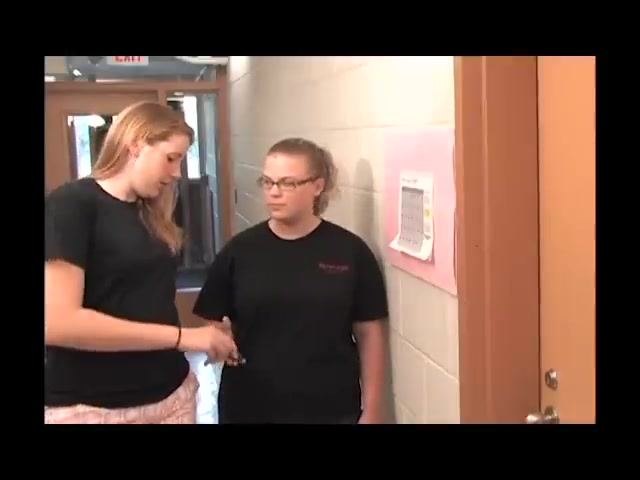
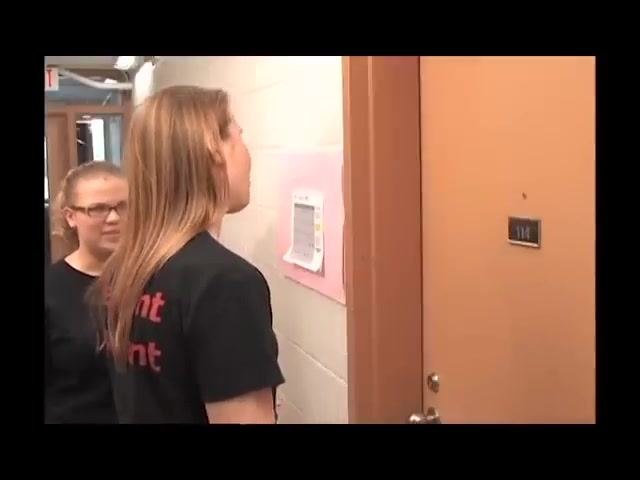
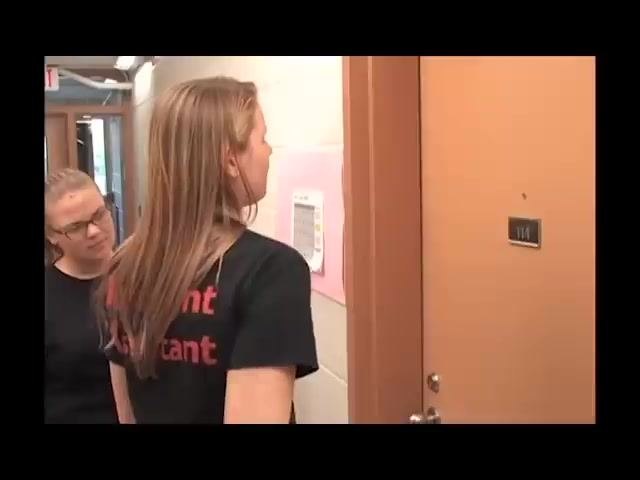
2. Approach the incident with a partner. Always respond with a partner. One assistant should carry the duty phone in case you need to call the hall director, and both assistants should approach the apartment together.
3. Check the environment for context. As you walk to the apartment, note any relevant environmental details, such as a wall calendar that can help confirm whether the party was registered.
4. Position yourselves at the door. Stand outside the apartment door, keep the duty phone ready in case you need to escalate, and prepare to knock and address the residents.
5. Listen before making contact. Knock on the door and listen for any response or noise from inside. Confirm with your partner that you both hear people in the apartment.
6. Announce your presence clearly. State your role loudly enough to be heard inside, for example: "Open up! This is the apartment assistant on duty, Julia. We can hear you."
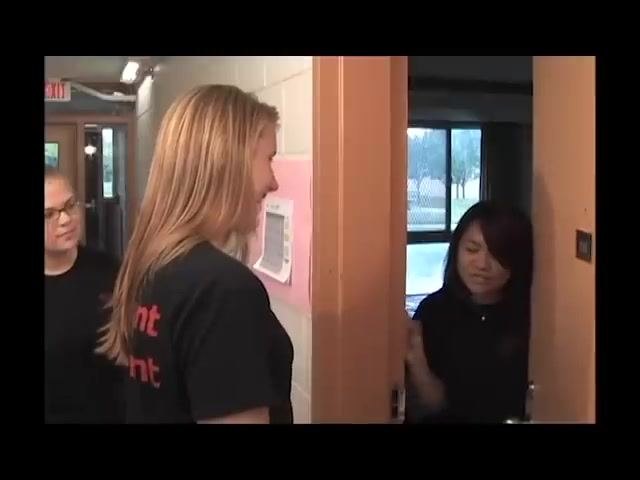
7. Follow up if there is no response. Knock a few more times and announce again that you are the apartment assistant on duty. Let residents know that if they do not respond, you will need to contact your supervisor.
Safety note: Always give residents a clear escalation warning before involving a supervisor.
8. Greet the resident by name. When the door opens, greet the resident by name if you know them. Knowing at least one student in the apartment can help ease the conversation.
9. Maintain a calm, professional demeanor. Stay calm and professional as the conversation begins, regardless of how the resident responds.
10. Start the conversation and observe details. Ask about the gathering (for example, "So you're having a party?") and listen to the response. Observe the resident's demeanor and surroundings for signs of policy violations, such as alcohol or excess noise.
11. Assess the situation for policy violations. Check the roster to confirm the resident's age, ask why the party wasn't registered, and directly ask whether alcohol is present. Remain non-confrontational and focus on gathering facts.
Safety note: Stay factual and non-confrontational; your goal is to gather accurate information, not to escalate tension.
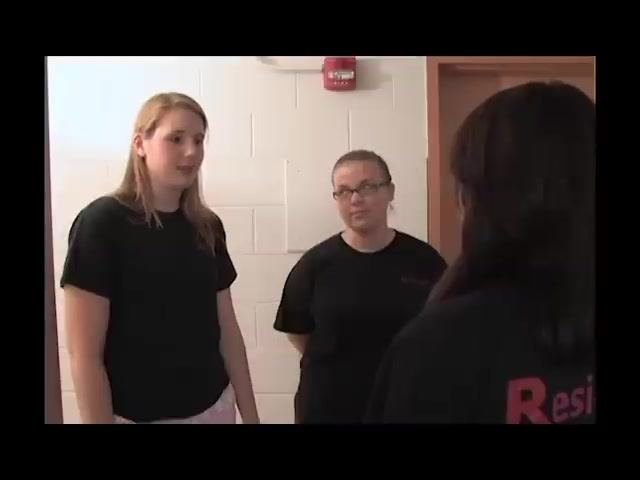
12. Enforce policy and communicate next steps. Clearly state what needs to happen, for example: "Unfortunately, I'm going to have to ask you to shut the party down." Listen if the resident pushes back, and weigh your options between strict enforcement and a balanced approach.
13. Decide on a resolution. If appropriate, offer a compromise. For example, allow guests to stay if there are no further noise complaints, all alcohol is disposed of in your presence, and the resident understands the incident will be documented with a supervisor follow-up.
14. Supervise the resolution. Watch as the resident and guests dispose of the alcohol, remind them of the noise policy, and thank them for cooperating. Reiterate that a supervisor will follow up during the week.


Part 2: Draft the incident report
15. Draft the report with a colleague if you're new to the process. More experienced staff can mentor newer staff through the process of writing an incident report, helping build consistent, effective practices among the team.
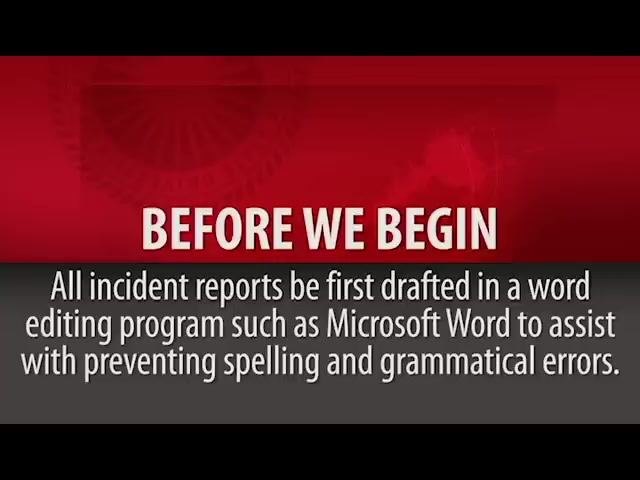
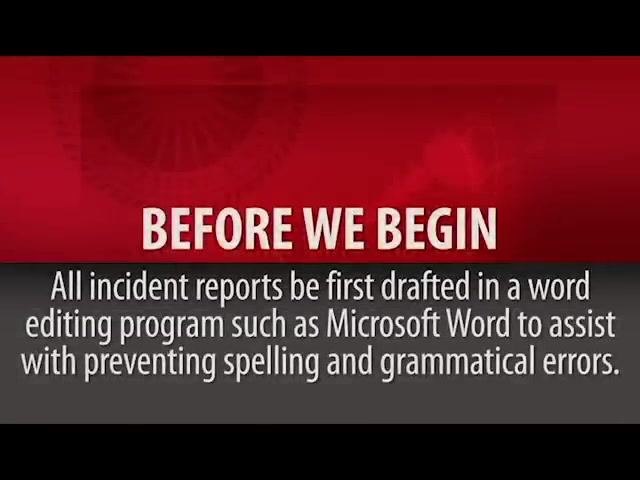
16. Draft the report in a word processing program first. Write all incident reports in a program such as Microsoft Word before submitting them. This helps prevent spelling and grammatical errors.
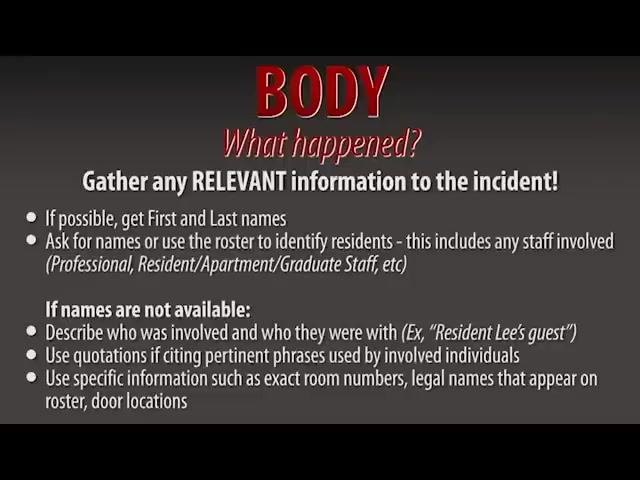
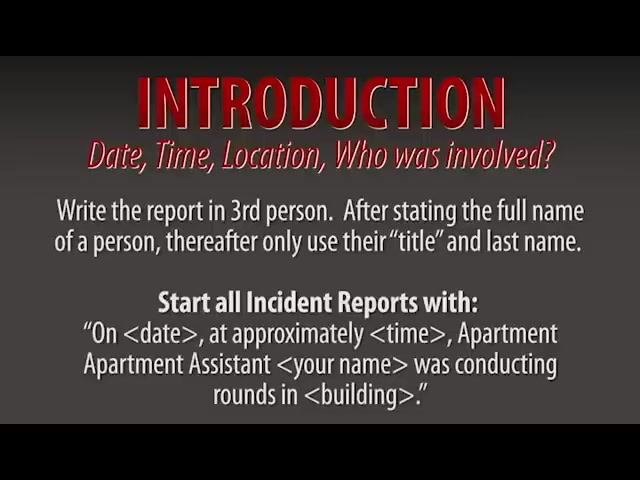
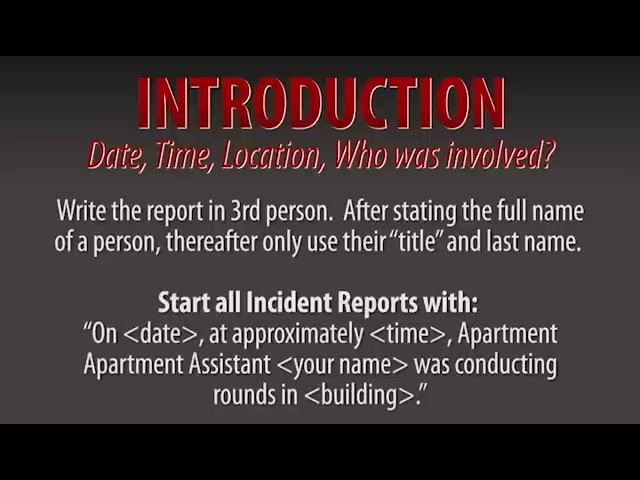
17. Understand the required structure of an incident report. Every report has three parts: - Introduction: date, time, location, and who was involved - Body: what happened during the incident - Conclusion: how the situation was resolved, and why or why not
18. Write the introduction. Include the date, time, location, and everyone involved. Write the entire report in third person, and after stating a person's full name once, refer to them only by title and last name (for example, "resident Smith" or "AA Lee"). Start every report with this template:
"On <date>, at approximately <time>, Apartment Assistant <your name> was conducting rounds in <building>."
For example: "On March 15, 2024, at approximately 10:30 PM, Apartment Assistant Smith was conducting rounds in Building A."
19. Write the body using only facts. Describe what you saw, heard, and smelled. Do not include personal opinions or bias—this is an official report, and it must remain objective.
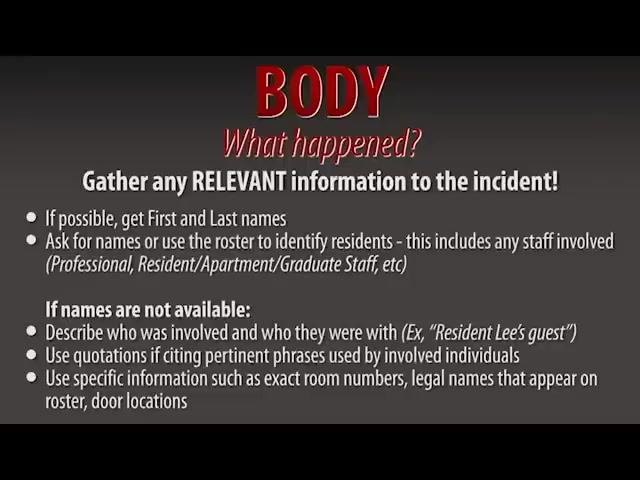
20. Gather all relevant information. Get the first and last names of everyone involved when possible, using the roster to identify residents and staff (Professional, Resident, Apartment, and Graduate Staff). If names aren't available, describe who was involved and who they were with (for example, "Resident Lee's guest"). Use quotation marks for pertinent phrases, and cite exact room numbers and legal names from the roster or door.
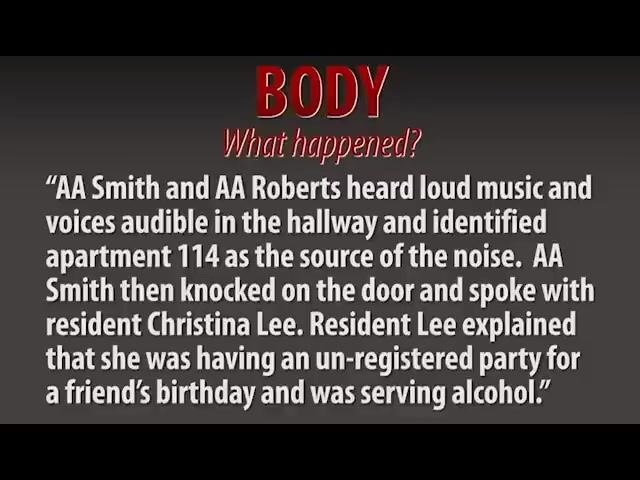
21. Write the body as a factual narrative. Describe the sequence of events clearly and factually. For example: "AA Smith and AA Roberts heard loud music and voices audible in the hallway and identified apartment 114 as the source of the noise. AA Smith then knocked on the door and spoke with resident Christina Lee. Resident Lee explained that she was having an un-registered party for a friend's birthday and was serving alcohol."
22. Write the conclusion. Factually explain the outcome of the situation. If it was not resolved, explain why and what steps still need to be taken.
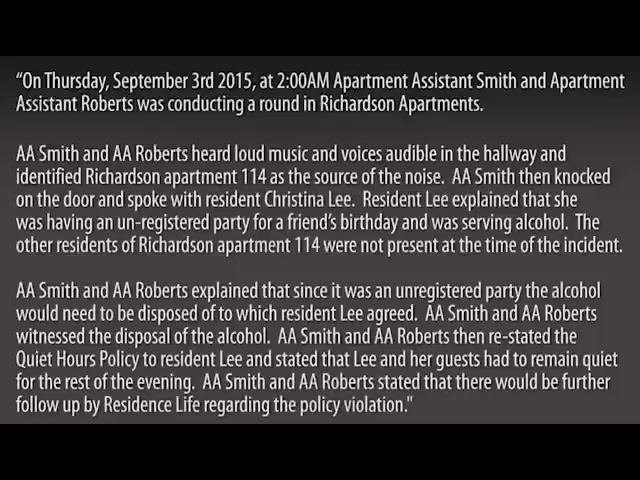
23. Review a complete example before submitting your own. Use a full sample report as a reference for structure and level of detail: - Introduction: "On Thursday, September 3rd 2015, at 2:00AM Apartment Assistant Smith and Apartment Assistant Roberts was conducting a round in Richardson Apartments." - Body: Describes hearing loud music, identifying the source, speaking with resident Christina Lee, and her explanation about the unregistered party and alcohol. - Conclusion: Details the actions taken—alcohol disposal, policy restatement, and notice of further follow-up.
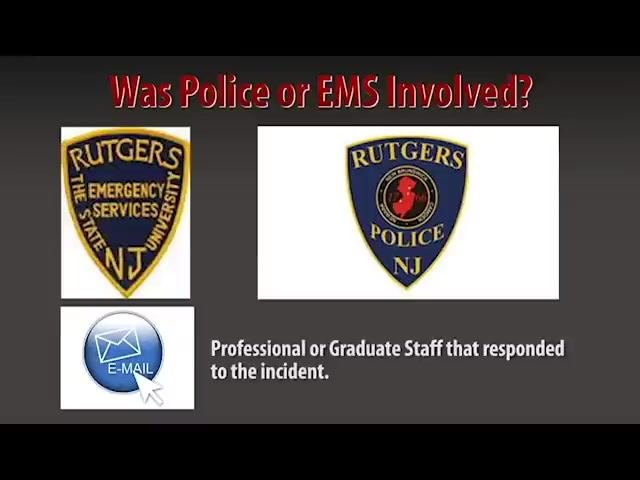
24. Check whether police or EMS were involved before submitting. If police or emergency medical services responded to the incident, do not submit the report yourself. Instead, notify the professional staff or graduate staff member who responded.
Safety note: Incidents involving police or EMS must be routed through professional or graduate staff, not submitted directly by the responding assistant.
25. Submit the report if police and EMS were not involved. Submit the completed incident report through your official incident reporting system. The judicial office will use this information for further review, so ensure all details are accurate and complete before submitting.
Verification and summary
Before submitting your incident report, confirm the following:
- You responded with a partner and had the duty phone available throughout.
- You clearly announced your role and remained calm and professional.
- Your report includes the date, time, location, and everyone involved in the introduction.
- The report is written entirely in third person, using titles and last names after first mention.
- The body contains only facts—what you saw, heard, and smelled—with no personal opinions or bias.
- The conclusion factually explains the outcome, or the reasons and next steps if unresolved.
- If police or EMS were involved, you notified professional or graduate staff instead of submitting the report yourself.
What's next
If police or EMS were not involved, submit your finished report through the official incident reporting system for judicial office review. If they were involved, confirm that the appropriate professional or graduate staff member has been notified so they can handle submission. In either case, remember that a supervisor will typically follow up on the incident during the week.
Generation details: cost, quality tiers
Docsie billed 4,000 credits ($2.80) to analyze this 8-minute video at standard quality. The rewrite, template fill and Word/PDF exports were included. The same video at each quality tier:
| Quality | Frames sampled | Credits | Approx. cost |
|---|---|---|---|
| Draft | every 16-30 s | 2,000 | $1.40 |
| Standard (this guide) | every 8-15 s | 4,000 | $2.80 |
| Detailed | every 4-7 s | 8,000 | $5.60 |
| Ultra | every 1-3 s | 16,000 | $11.20 |
Credits priced at $0.70 per 1,000; plans include a monthly allowance. Enterprise customers on on-premise or bring-your-own-model deployments run this on their own inference and pay no per-video credits.
Generated by Docsie Video-to-Docs on 2026-09-09 from a 7-minute video. Screenshots are frames from the source video and belong to their creator, Rutgers Residence Life, whose original is embedded above. If you own this video and want the guide removed or credited differently, contact us and we will act within one business day.