
How to Write an After Action Report
Once an exercise ends, the evaluation team is responsible for analyzing the data collected, compiling the findings into a report, and turning those findings into a plan for improvement. This guide walks you through how to write an after-action report step by step, from consolidating raw exercise data to assigning time-bound corrective actions. Before you begin, gather all documentation generated during the exercise so the analysis reflects every perspective and source involved.
Video: Developing an After-Action Report and Improvement Plan by FEMA (2021). All credit for the demonstration goes to the creator; watch the original on YouTube. The written guide below was generated from this video by Docsie. Creator? Request a change or removal.
Once an exercise ends, the evaluation team is responsible for analyzing the data collected, compiling the findings into a report, and turning those findings into a plan for improvement. This guide walks you through how to write an after-action report step by step, from consolidating raw exercise data to assigning time-bound corrective actions. Before you begin, gather all documentation generated during the exercise so the analysis reflects every perspective and source involved.
Event Summary
Recognize that the after-action process begins the moment an exercise concludes. At this point, the evaluation team must analyze all collected data, compile the After-Action Report (AAR), and develop the accompanying Improvement Plan (IP).
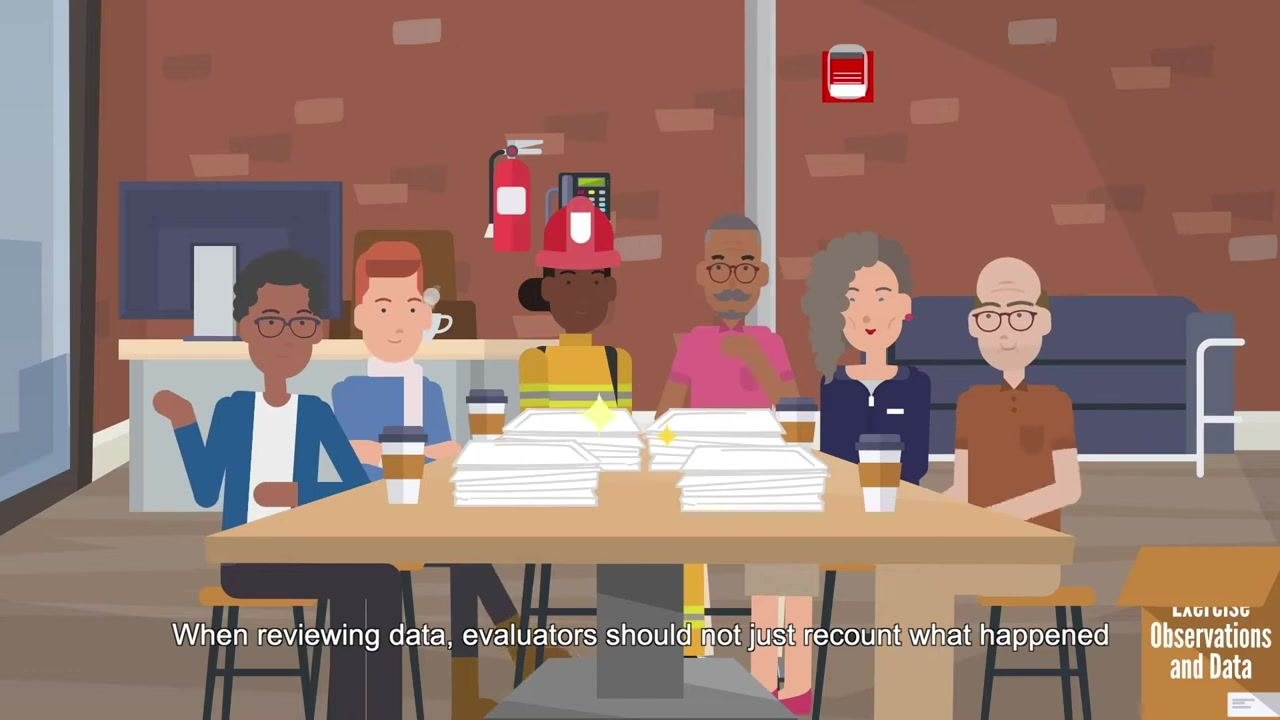
This process requires reviewing every observation and piece of data gathered, whether the exercise was discussion-based or operations-based, to identify both what worked well and what needs improvement.
Objectives Reviewed
Compare actual participant performance against three benchmarks: exercise objectives, capability targets, and critical tasks. This comparison forms the basis for determining whether the exercise achieved its intended purpose.
Analyze performance by comparing the actual outcomes of the exercise with the outcomes intended in the relevant plans, policies, and procedures. As part of this review, determine:
- Whether participants were familiar with the relevant documents
- Whether there was a difference between the intended and actual outcomes
- The impact of any difference, whether positive, negative, or neutral
For exercises involving incident response, such as HAZMAT scenarios, expand the review to include the specific response plan, the timing and coordination of the response, and how effectively the response matched the plan.

The lead evaluator and evaluation team should apply a variety of analysis techniques to support future integrated planning.
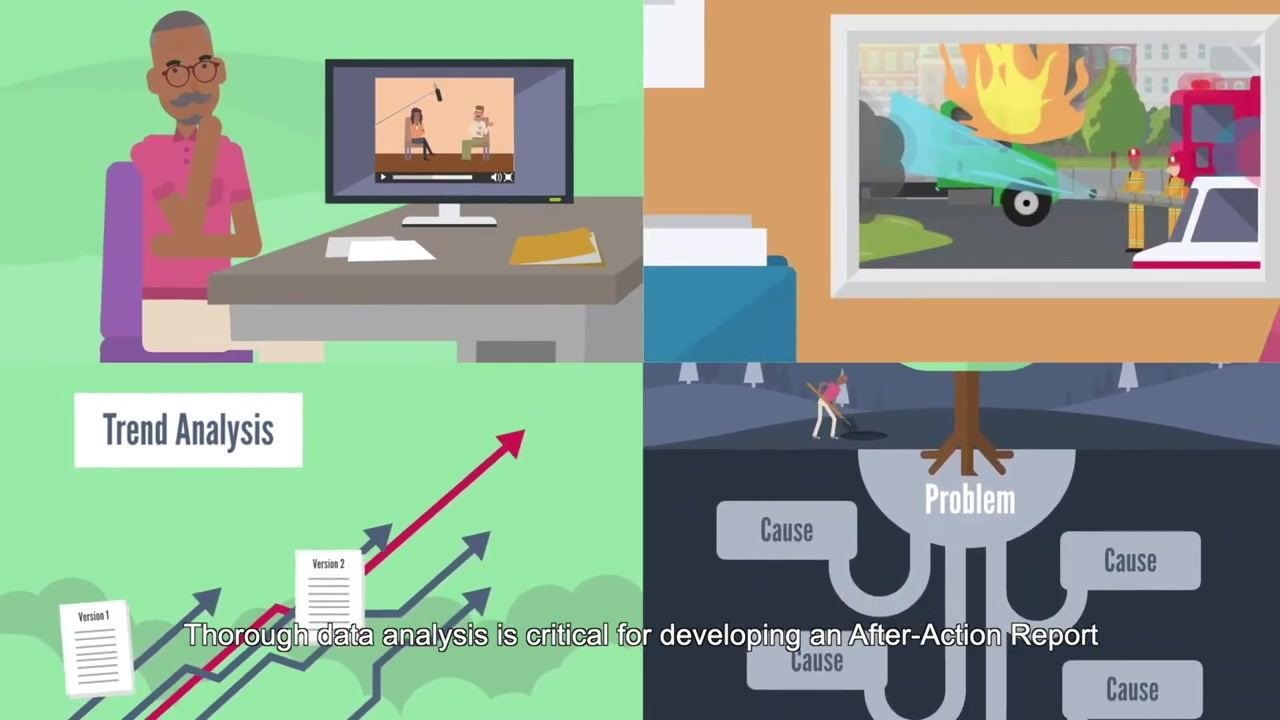
Data Synthesis means compiling and reviewing data from multiple sources, including interviews, video recordings, and written documentation, to build a comprehensive understanding of the exercise.
Trend Analysis involves reviewing data across multiple exercises or over time to identify recurring strengths, recurring areas for improvement, and major changes in observations. Track these changes by comparing different versions or iterations of plans and performance.
Equip your team with the tools needed to interpret exercise data, and encourage open collaboration and discussion among team members as they work through the analysis.

Timeline of Key Events
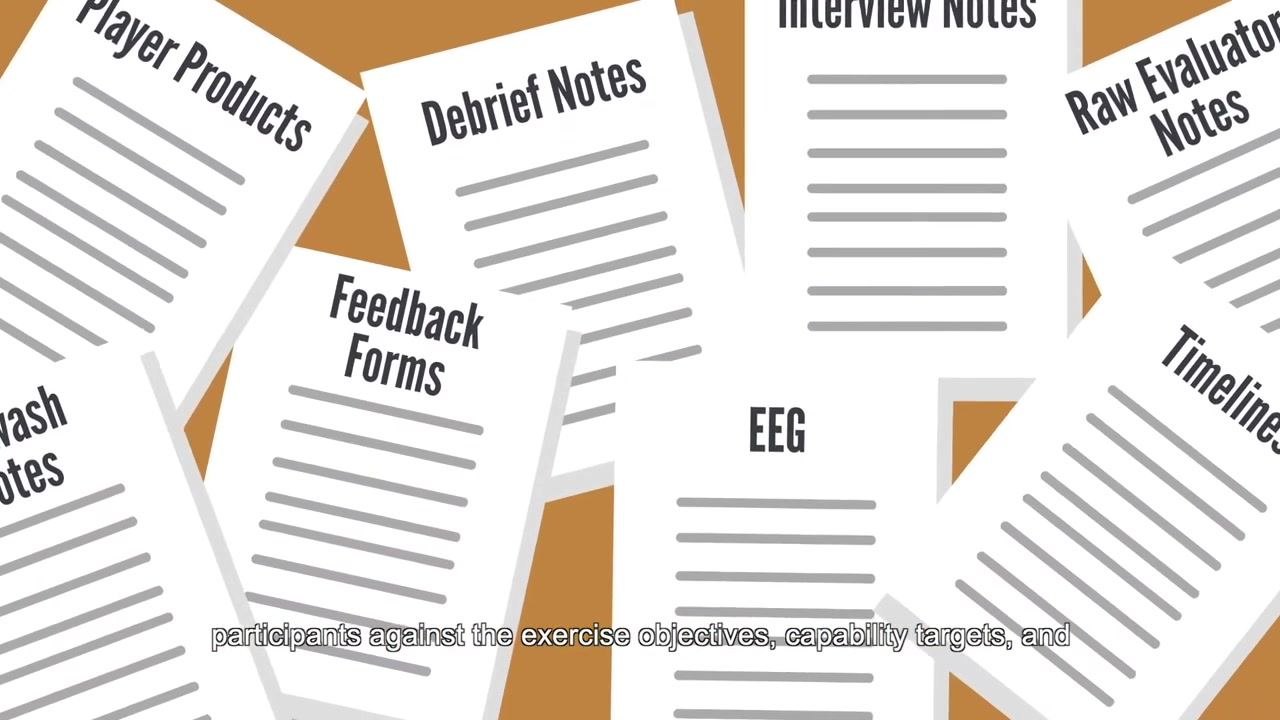
Begin by collecting every form of documentation generated during the exercise, including Player Products, Debrief Notes, Interview Notes, Raw Evaluator Notes, Feedback Forms, Exercise Evaluation Guides (EEGs), Timelines, and Hotwash Notes.
Once the analysis is complete, hold an After-Action Meeting as an interactive session for senior leadership and key program managers. Bring together representatives from different jurisdictions or sectors to ensure a comprehensive review.
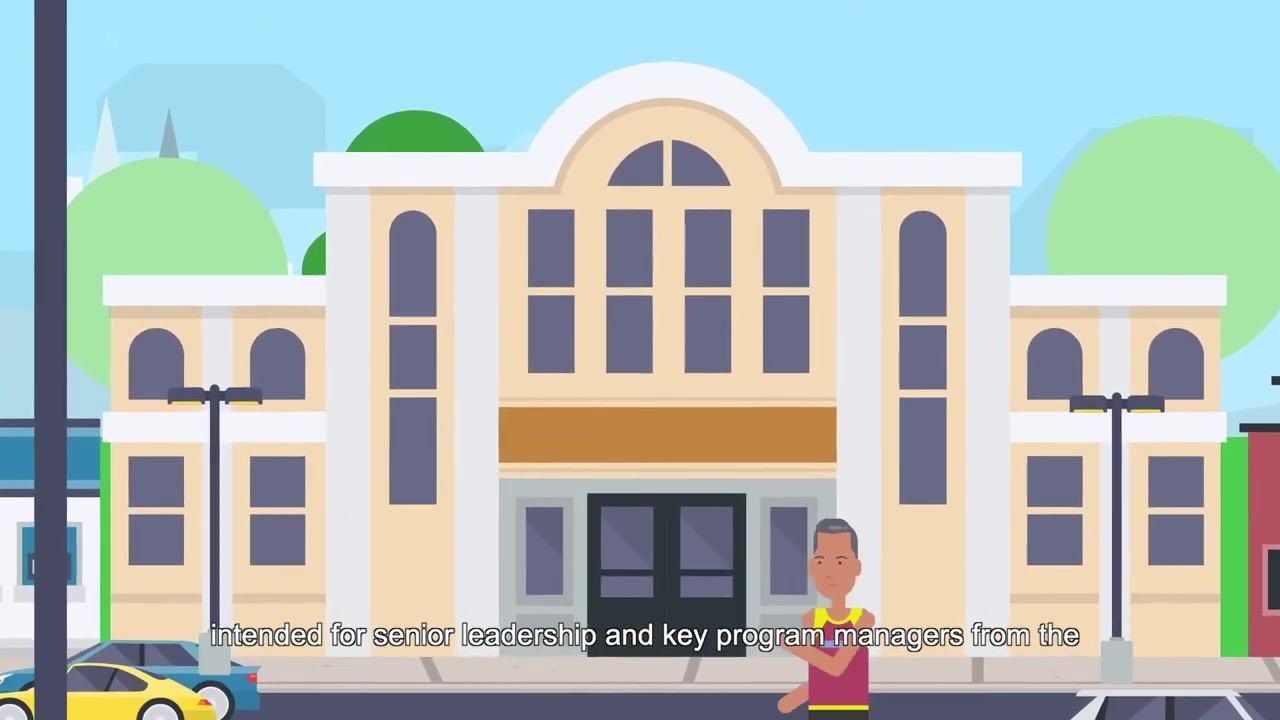
Hold this meeting in a formal setting, such as a community or municipal building, so all key stakeholders can participate.
During the meeting, validate the analytical findings of the AAR, finalize the corrective actions listed in the IP, assign each action to a responsible party, and set concrete deadlines. Visual aids, such as a calendar marked with a specific date, help emphasize ownership and urgency.

After the meeting concludes and the AAR and IP are finalized, ensure all stakeholders reach consensus on the report and plan before proceeding.
Finally, hand off responsibility for the corrective actions from the exercise team to senior leaders and the individuals accountable for implementation. Communicate roles and expectations clearly during this transition.


Strengths
As you review exercise data, identify the strengths participants demonstrated. This is one of the two core outcomes of the review, alongside identifying areas needing improvement.
Areas for Improvement
Do not simply list what happened during the exercise. Instead, explore and document why events unfolded as they did, and consider the underlying causes for any discrepancies between planned and actual outcomes.
Root Cause Analysis helps you move beyond surface-level symptoms to identify the underlying problem and its causes. Use a visual tool, such as a tree diagram, to distinguish between symptoms, the core problem, and the root cause.
Combine data synthesis, event reconstruction, trend analysis, and root cause analysis for a holistic review of exercise performance, and make sure the analysis supports actionable recommendations.
Continuous improvement means periodically reviewing community capabilities to confirm readiness for threats, hazards, and risks. Foster an ongoing culture of assessment across homes, businesses, and infrastructure.
After each exercise, analyze outcomes to determine what worked well and what needs enhancement, and prepare for potential threats by simulating scenarios such as smoke or flooding to evaluate responses.
Corrective Action Plan
Summarize the outcomes of the exercise in the AAR/IP, which should include an overview of the exercise, observations and analysis of capabilities, and a list of corrective actions.
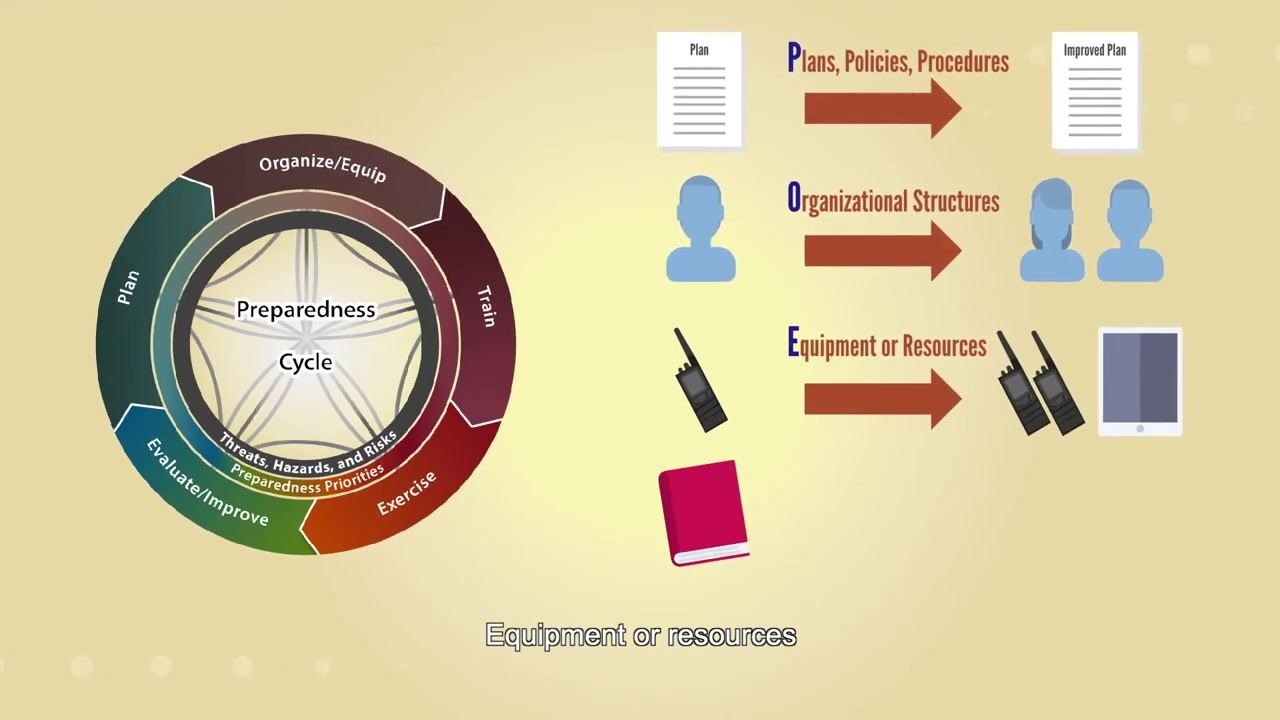
Corrective actions are the actionable steps that resolve capability gaps identified during the exercise. Illustrate the gap between the current capability level and the desired capability level to clarify why improvement is needed.
Design corrective actions to produce clear outputs, which may include:
- Updates to plans, policies, and procedures
- Changes to organizational structures
- Acquisition or reallocation of equipment or resources
- Enhanced training programs
- Additional or revised exercises
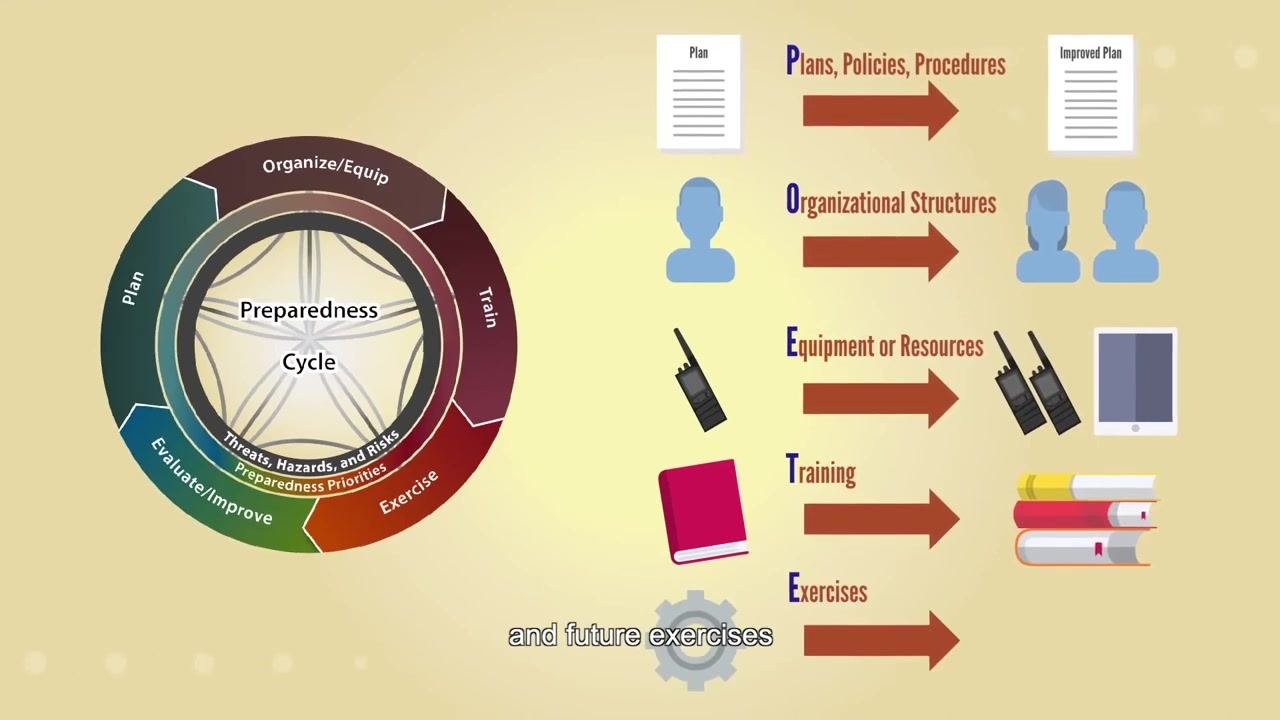
Reference the Preparedness Cycle to show how each corrective action fits into the broader context of continuous improvement.
Apply the SMART criteria to every corrective action:
-
Specific: Address the five W's—Who, What, When, Where, and Why—by naming the responsible person, the exact task, the timeline, the location, and the reason for the action.
-
Measurable: Include numeric or descriptive measures of quantity, quality, or cost, using tools such as rulers, tape measures, or calculators to quantify progress.
-
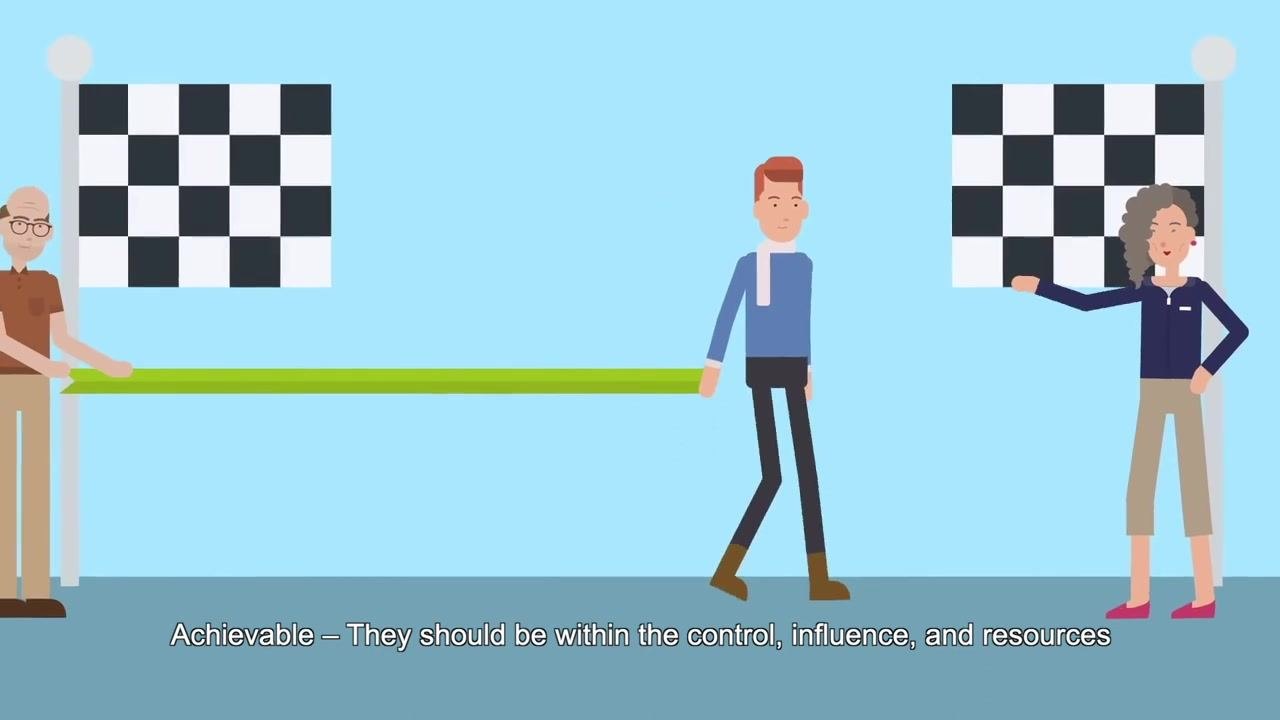
Achievable: Keep the action within the control, influence, and resources of the responsible owner.
- Relevant: Confirm the action is instrumental to the mission of the jurisdiction or organization, and engage stakeholders to validate that alignment.
- Time-bound: Assign a specific and reasonable timeframe for completion, and use visual aids such as clocks and calendars to track deadlines and progress.
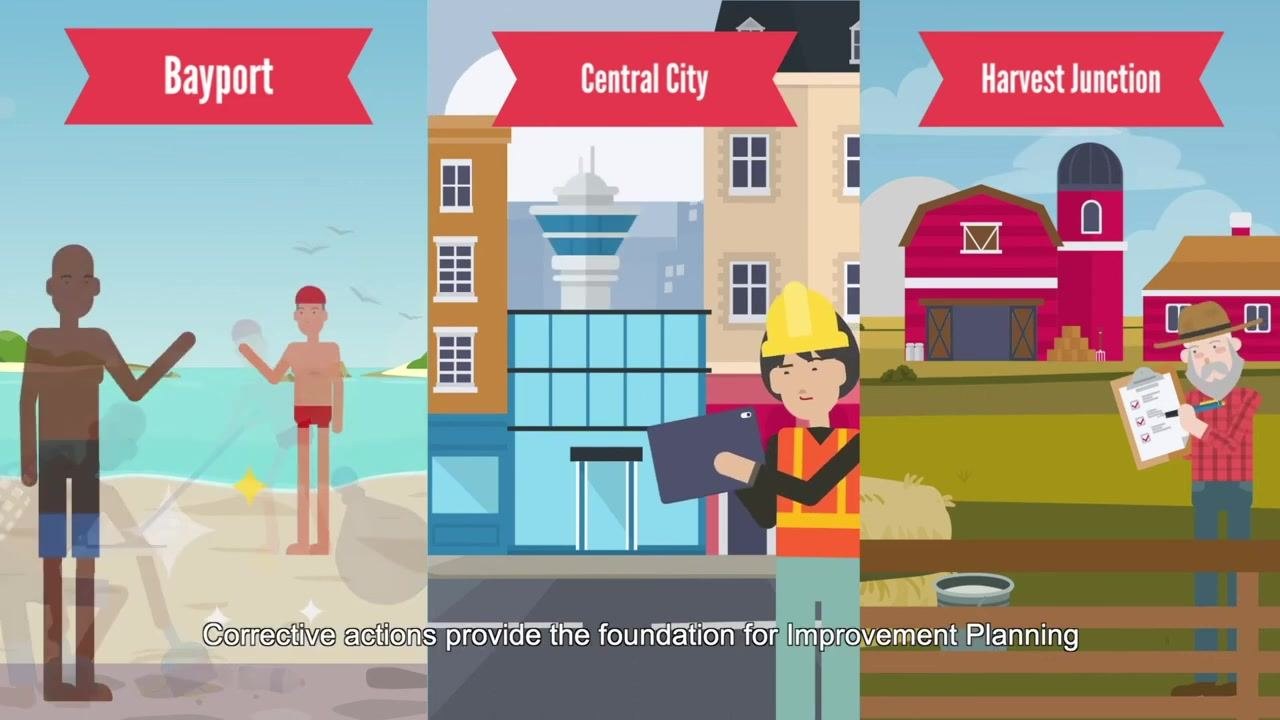
Corrective actions form the foundation of the Improvement Plan. Apply them across every relevant environment—coastal, urban, and rural—and assign a responsible party in each area to oversee implementation, using checklists to monitor progress.
Involve the entire team in developing the final AAR and IP so that everyone shares a common understanding of the findings and the path forward.

Appendices
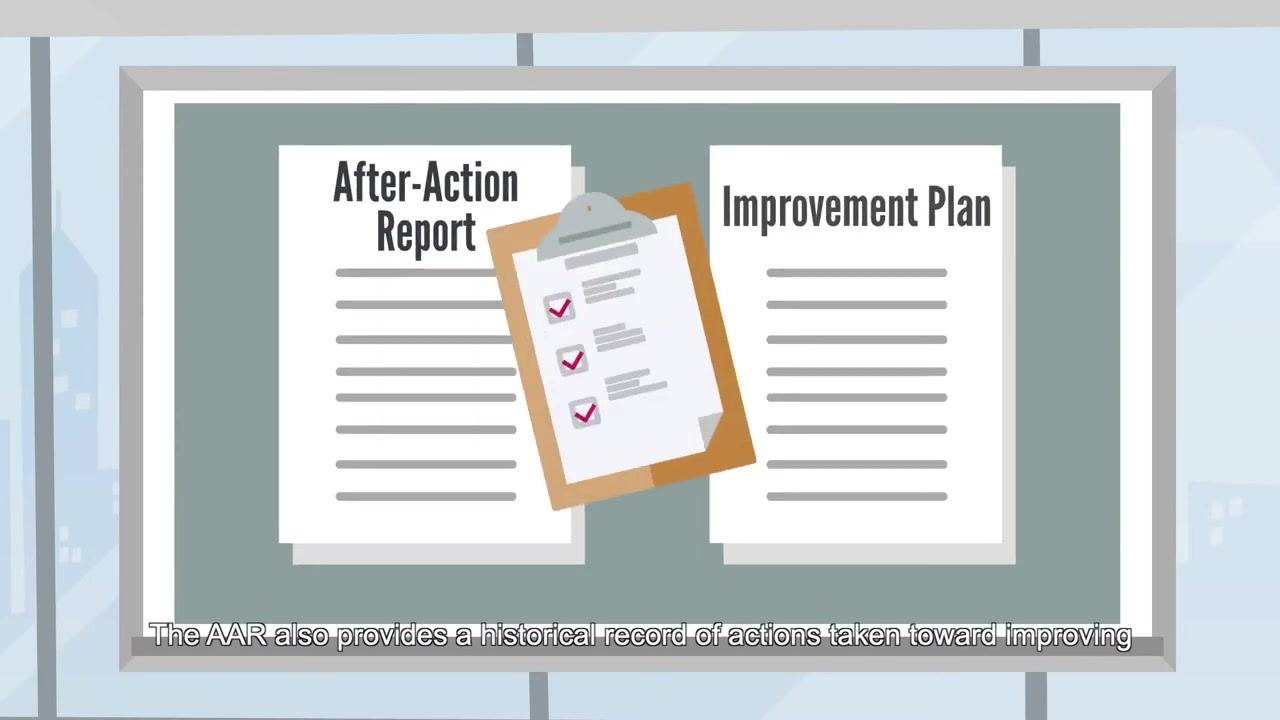
Keep the AAR and IP as reference documents: they provide a historical record of the actions taken to improve capabilities and create opportunities to share preparedness insights and best practices with other jurisdictions.
Maintain a record of corrective actions and improvements for future reference and accountability.
For additional procedures and best practices, consult the January 2020 Homeland Security Exercise and Evaluation Program Doctrine, along with related official resources such as FEMA documentation and the Exercise Cycle diagram.

Generation details: cost, quality tiers, downloads
Docsie billed 3,500 credits ($2.45) to analyze this 7-minute video at standard quality. The rewrite, template fill and Word/PDF exports were included. The same video at each quality tier:
| Quality | Frames sampled | Credits | Approx. cost |
|---|---|---|---|
| Draft | every 16-30 s | 1,750 | $1.22 |
| Standard (this guide) | every 8-15 s | 3,500 | $2.45 |
| Detailed | every 4-7 s | 7,000 | $4.90 |
| Ultra | every 1-3 s | 14,000 | $9.80 |
Credits priced at $0.70 per 1,000; plans include a monthly allowance. Enterprise customers on on-premise or bring-your-own-model deployments run this on their own inference and pay no per-video credits.
Generated by Docsie Video-to-Docs on 2026-09-10 from a 6-minute video. It was generated straight into Docsie's After-Action Report template, so every section of that template is filled from the video. Screenshots are frames from the source video and belong to their creator, FEMA, whose original is embedded above. If you own this video and want the guide removed or credited differently, contact us and we will act within one business day.