
How to Crane Hand Signals
This procedure establishes the standardized crane hand signals that signal persons and crane operators must use during crane operations. Correct use of crane hand signals ensures clear communication between ground personnel and crane operators, reducing the risk of accidents and supporting safe, efficient lifts.
Video: Basic Crane Hand Signals | Sims Crane Minute by Sims Crane (2015). All credit for the demonstration goes to the creator; watch the original on YouTube. The written guide below was generated from this video by Docsie. Creator? Request a change or removal.
Purpose
This procedure establishes the standardized crane hand signals that signal persons and crane operators must use during crane operations. Correct use of crane hand signals ensures clear communication between ground personnel and crane operators, reducing the risk of accidents and supporting safe, efficient lifts.
Scope
This SOP applies to all signal persons and crane operators involved in crane lifting operations, including basic hoisting, boom movement, telescopic boom adjustments, and emergency stop procedures. It applies to all sites where cranes are used to raise, lower, or horizontally move suspended loads.
Requirements
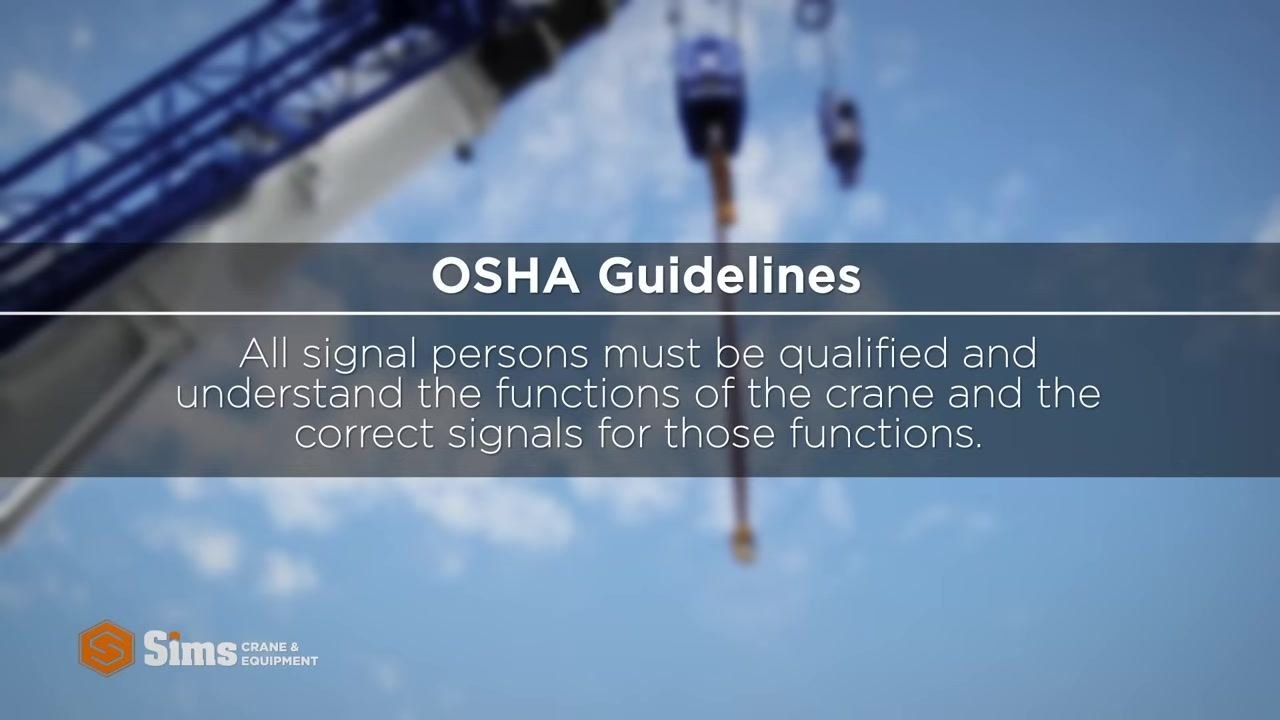
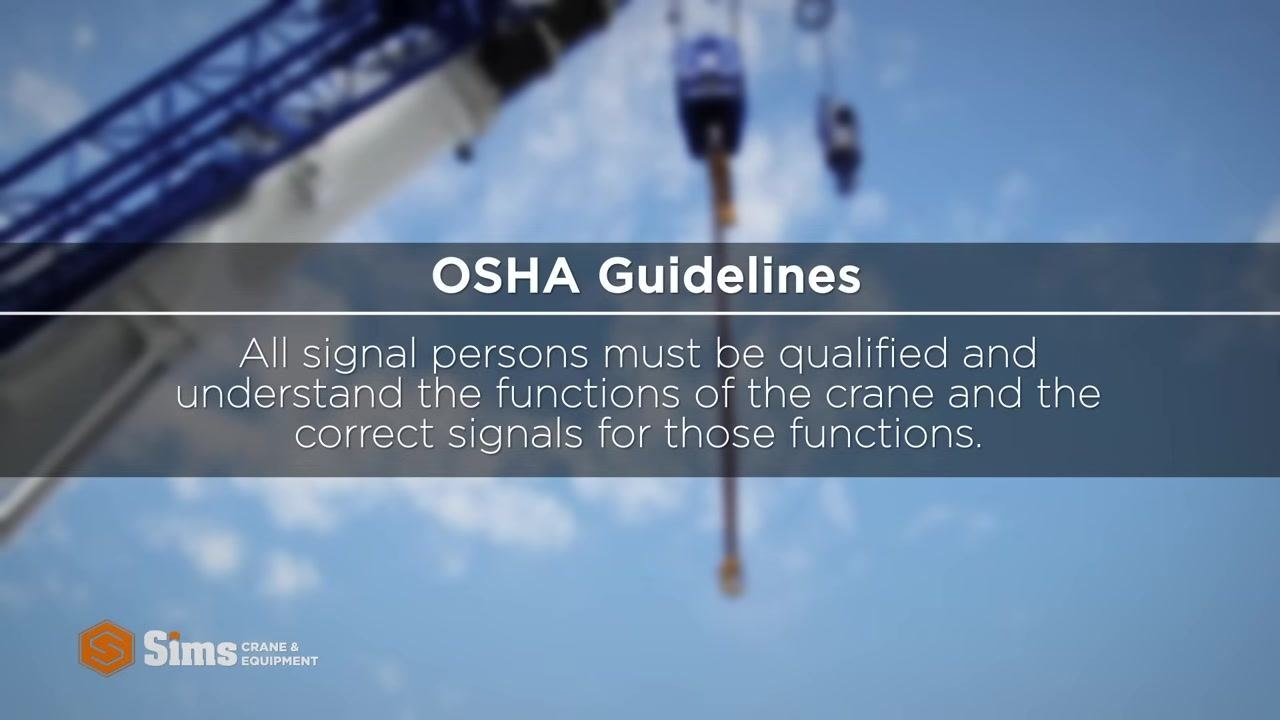
- All signal persons must be qualified under OSHA guidelines before directing any crane operation.
- Each signal person must understand the functions of the crane and the correct hand signal for each function.
- Clear line of sight must be maintained between the signal person and the crane operator at all times.
- High-visibility vest and hard hat, as applicable to site safety requirements.
Procedure
Confirm signal person qualification
Before beginning any crane operation, confirm that the assigned signal person is qualified under OSHA requirements and understands both the crane's functions and the corresponding hand signals. Do not proceed with a lift until this is verified.
Recognize the basic functions of a crane
A basic crane is designed to perform three core movements:
- Hoist (raise) a suspended load.
- Lower a suspended load.
- Move a suspended load horizontally, by moving the boom up or down to bring the load closer to or farther from the crane.
Understanding these functions is required before using any of the hand signals below.
Signal for horizontal movement
To instruct the operator to swing the crane and move the suspended load horizontally:
- Extend one arm in the direction the crane should swing.
- Point in that direction with your index finger.
Signal to boom up
To instruct the operator to raise the boom, which moves the load closer to the crane and shortens the load radius:
- Extend one arm.
- Make a closed fist with your thumb extended upward.
Signal to boom down
To instruct the operator to lower the boom, which moves the load away from the crane and increases the load radius:
- Turn your hand over so your thumb points downward.
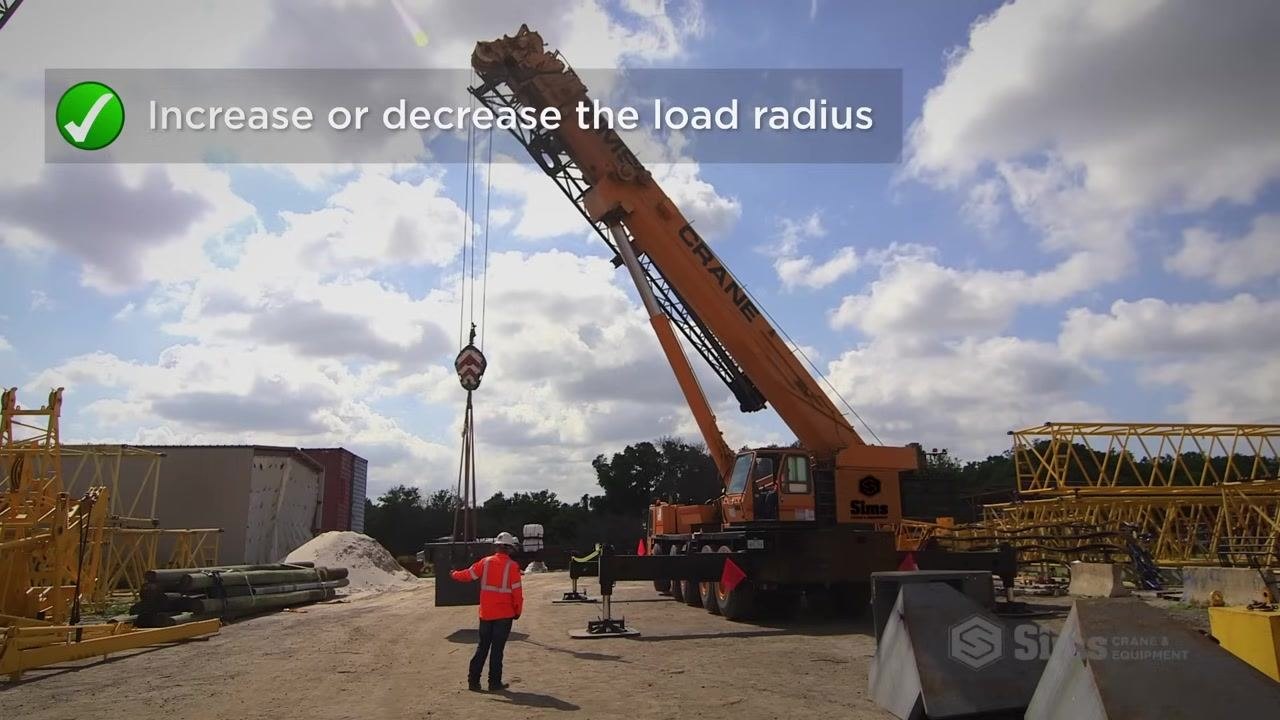
Signal to increase or decrease load radius without changing load height
To adjust the load radius while keeping the load at the same height:
- Open and close your fist slowly while performing the boom up or boom down signal.
- This tells the operator to boom up and lower, or boom down and raise, the load simultaneously — effectively increasing or decreasing the load radius without changing its height.
Signal for swinging a suspended load horizontally
To direct the operator to swing a suspended load in a specific direction:
- Extend one arm in the direction you want the load to swing.
- Point with your index finger in that direction.
Safety note: Always ensure clear visibility and communication between the signal person and the crane operator before, during, and after every signal.
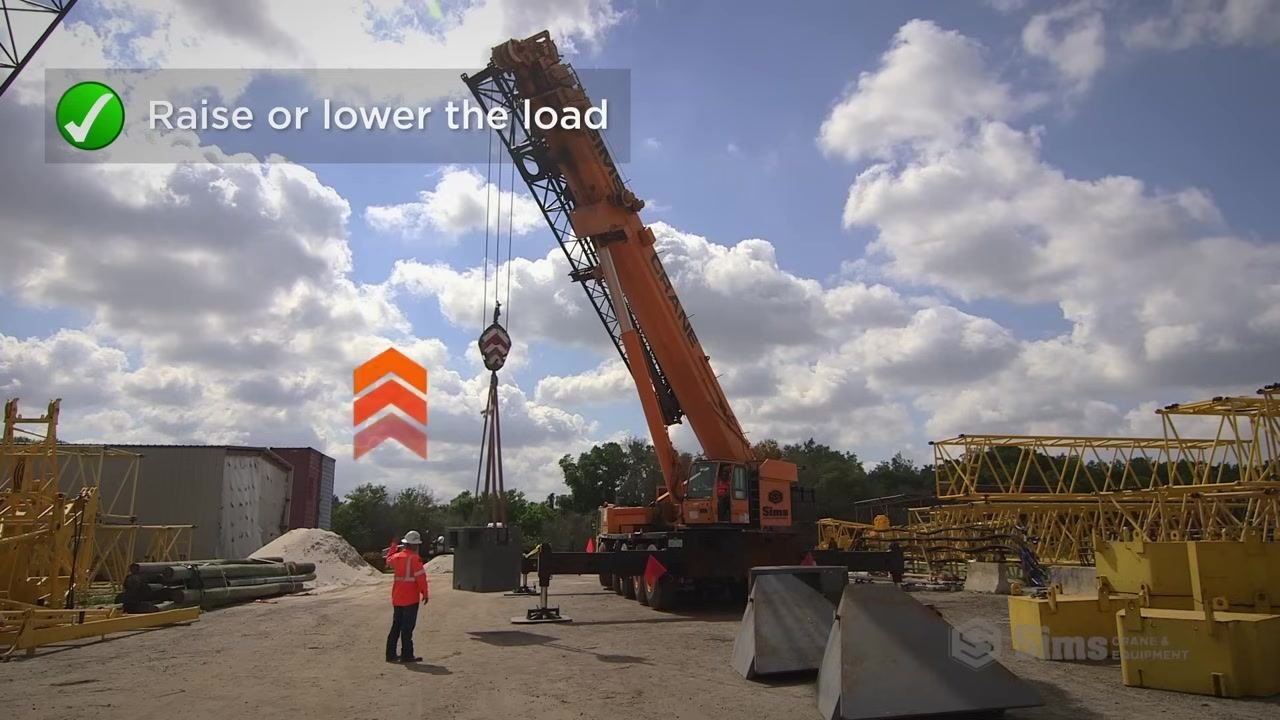
Signal to raise or lower the load using circular motion
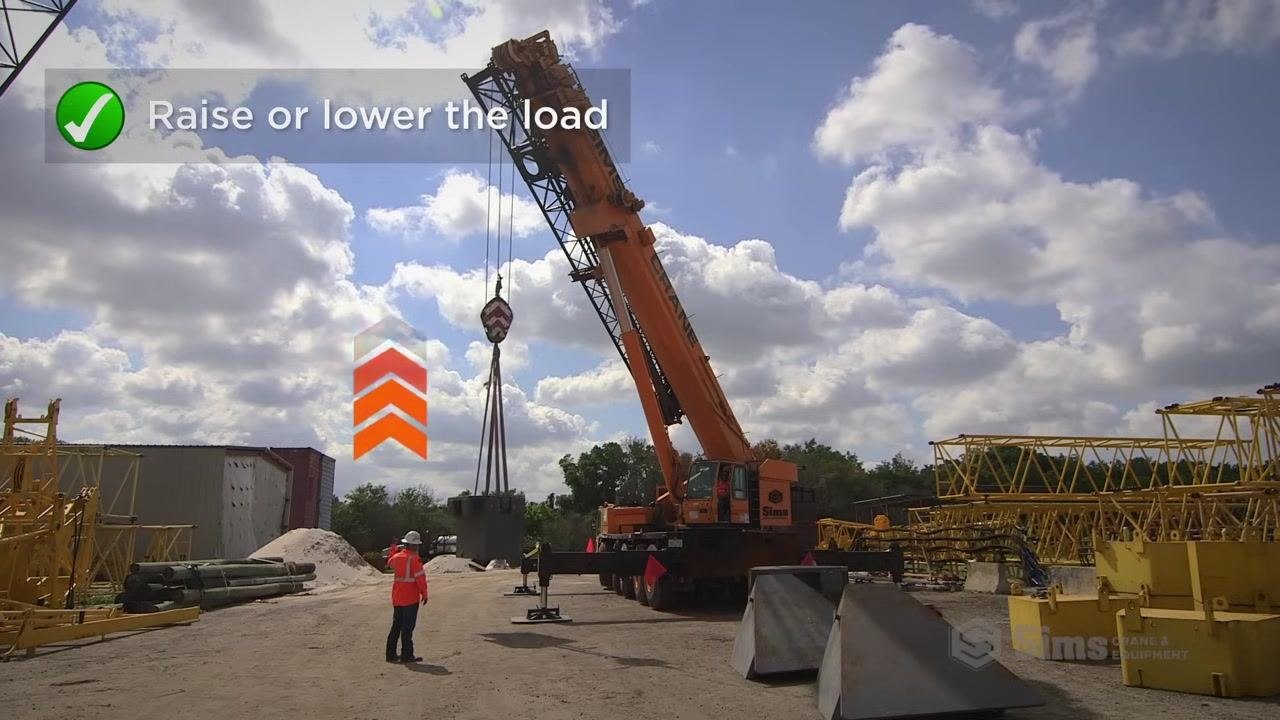
To instruct the operator to hoist or lower the load:
- Point your index finger upward or downward, depending on the desired direction.
- Make a circular motion with your finger — upward circular motion for raising, downward circular motion for lowering.
Signal to stop a function
To instruct the operator to immediately stop the current crane function:
- Extend one arm out to your side.
- Move your hand horizontally, parallel to the ground.
Signal for emergency stop
For an emergency stop, requiring immediate and urgent cessation of all crane operations:
- Extend both arms out to your sides.
- Move both arms horizontally at the same time.
Safety note: This signal overrides any other command and must halt all crane activity immediately.
Signal to extend or retract a telescopic boom
For cranes equipped with a telescopic boom, use the following signals:
- To extend the boom: Place both hands in front of you with fists closed, then extend your thumbs outward, away from each other.
- To retract the boom: Place both hands in front of you with fists closed, then point your thumbs inward, toward each other.
Verification and compliance
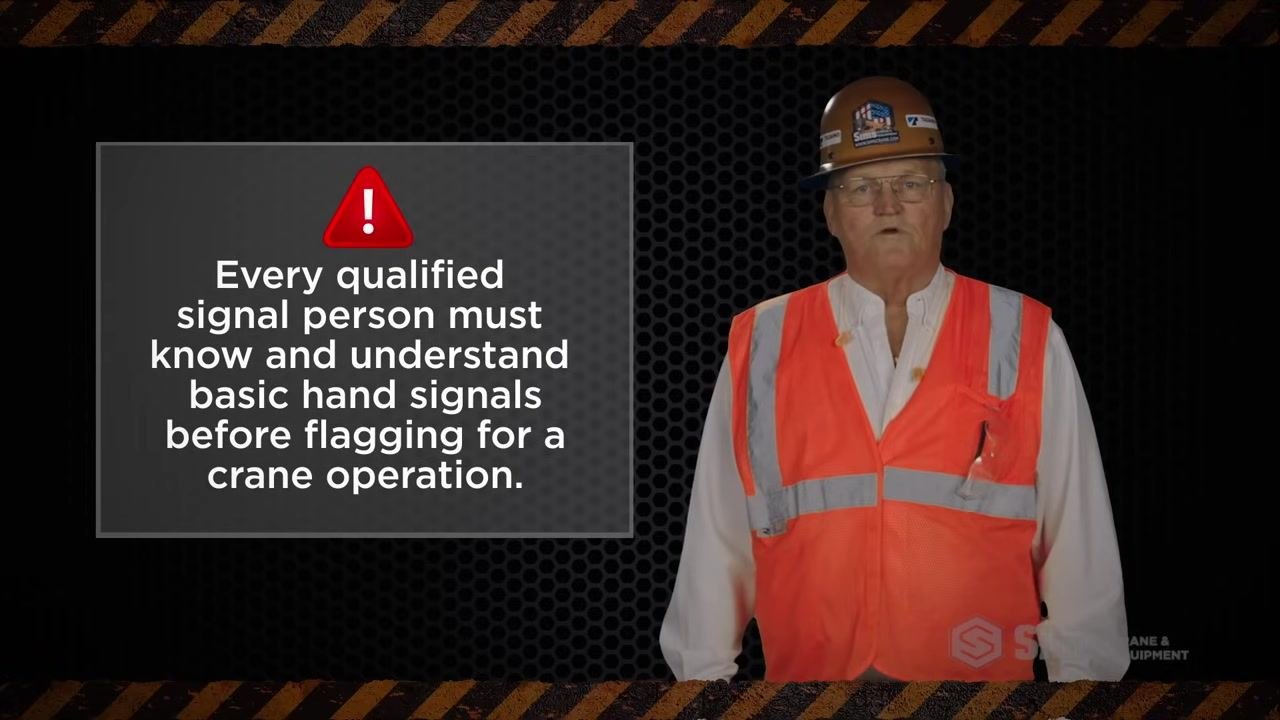
Before flagging for any crane operation, confirm that the signal person meets the following requirements:
- Knows and understands all basic crane hand signals described in this procedure.
- Is qualified to interpret the crane's functions and respond appropriately.
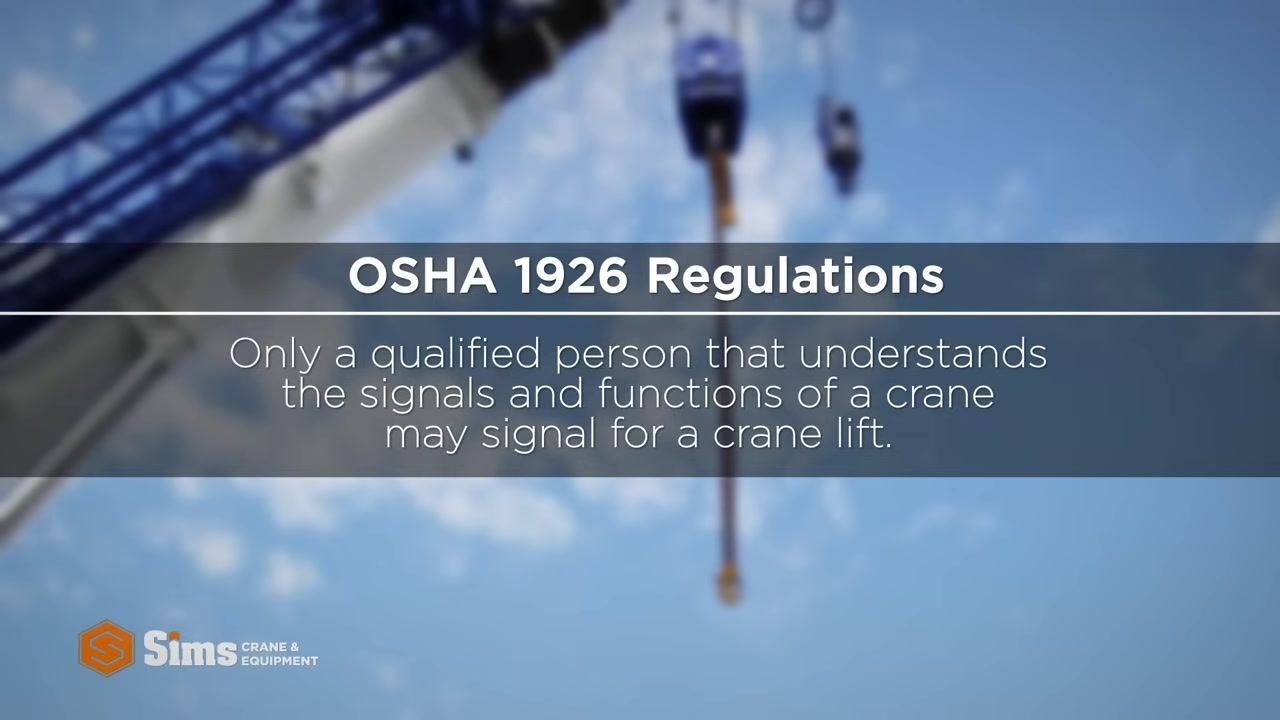
Per OSHA 1926 regulations, only a qualified person who understands the signals and functions of a crane may signal for a crane lift.
Summary
Proper planning, training, and communication are essential to safe crane operations. Signal persons and crane operators must maintain clear, standardized communication throughout every lift using the crane hand signals outlined in this procedure. Adhering to these practices reduces the risk of accidents and ensures compliance with OSHA requirements. Safety must never be compromised on communication or procedure.
Generation details: cost, quality tiers
Docsie billed 2,000 credits ($1.40) to analyze this 4-minute video at standard quality. The rewrite, template fill and Word/PDF exports were included. The same video at each quality tier:
| Quality | Frames sampled | Credits | Approx. cost |
|---|---|---|---|
| Draft | every 16-30 s | 1,000 | $0.70 |
| Standard (this guide) | every 8-15 s | 2,000 | $1.40 |
| Detailed | every 4-7 s | 4,000 | $2.80 |
| Ultra | every 1-3 s | 8,000 | $5.60 |
Credits priced at $0.70 per 1,000; plans include a monthly allowance. Enterprise customers on on-premise or bring-your-own-model deployments run this on their own inference and pay no per-video credits.
Generated by Docsie Video-to-Docs on 2026-09-09 from a 3-minute video. Screenshots are frames from the source video and belong to their creator, Sims Crane, whose original is embedded above. If you own this video and want the guide removed or credited differently, contact us and we will act within one business day.