
How to Do a Smed Quick Changeover
This SOP explains how to do a SMED quick changeover using the Single-Minute Exchange of Die (SMED) methodology. SMED is a lean manufacturing approach used by a team to reduce the time needed to switch production from one product to another. Follow the steps below to move your team toward the target of completing a changeover in under 10 minutes.
Video: SMED: How to do a Quick Changeover by LeanVlog (2019). All credit for the demonstration goes to the creator; watch the original on YouTube. The written guide below was generated from this video by Docsie. Creator? Request a change or removal.
This SOP explains how to do a SMED quick changeover using the Single-Minute Exchange of Die (SMED) methodology. SMED is a lean manufacturing approach used by a team to reduce the time needed to switch production from one product to another. Follow the steps below to move your team toward the target of completing a changeover in under 10 minutes.
Purpose
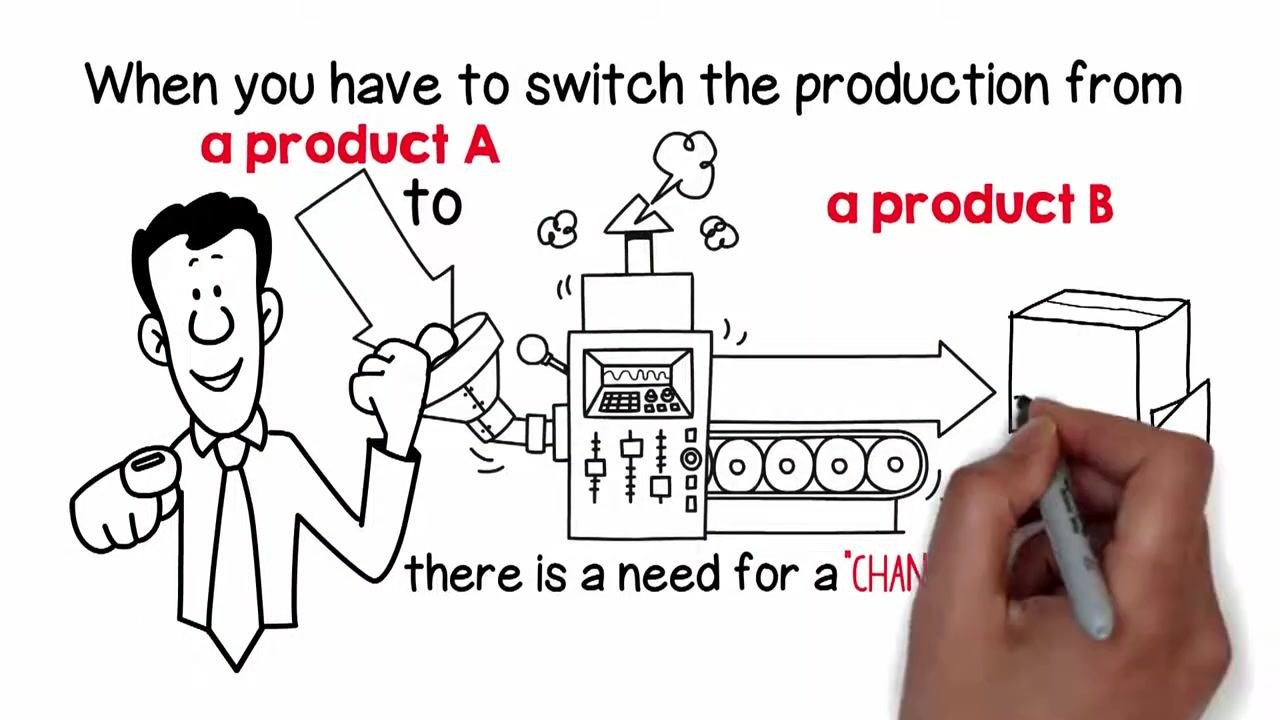
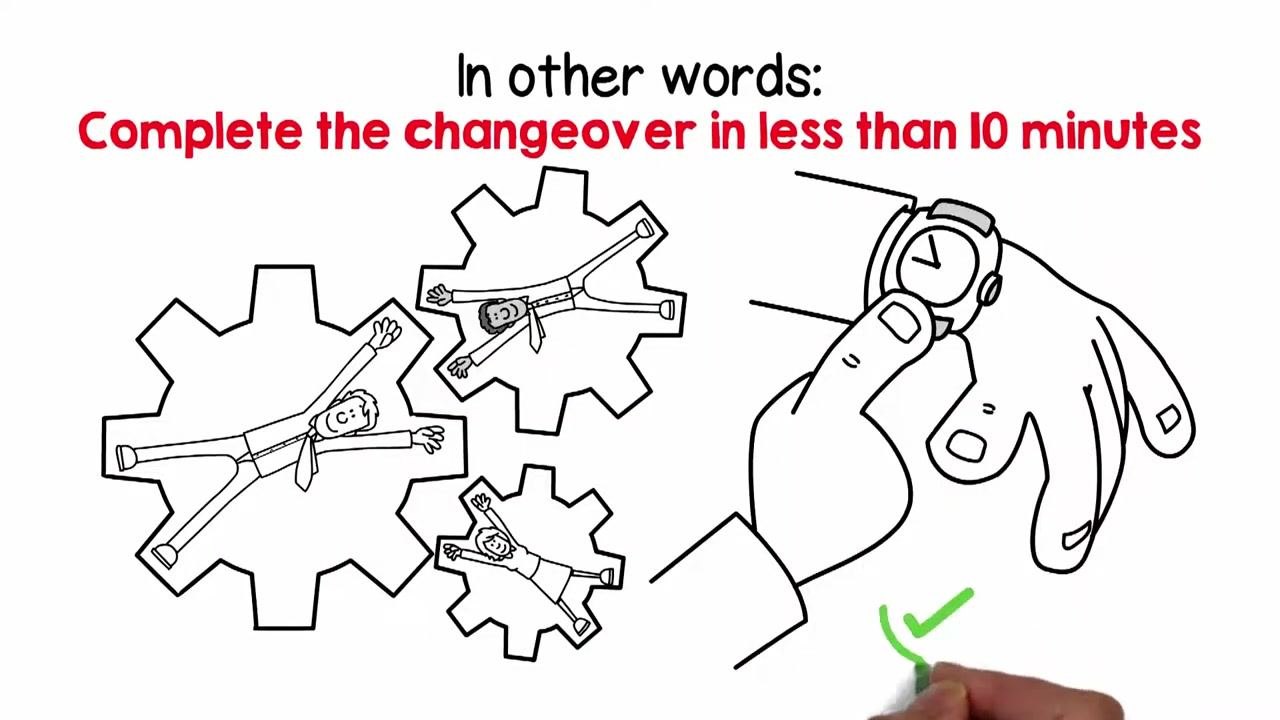
SMED reduces the changeover time required when a team must switch production from one product to another. The methodology sets a clear target: complete the changeover in less than 10 minutes.
The source material does not specify a particular production line, station layout, or model variants — this section should be completed with your facility's specific line name, stations involved, and the product variants being changed over when adapting this SOP for local use.
Changeover trigger
A changeover is needed whenever production must switch from producing product A to producing product B.
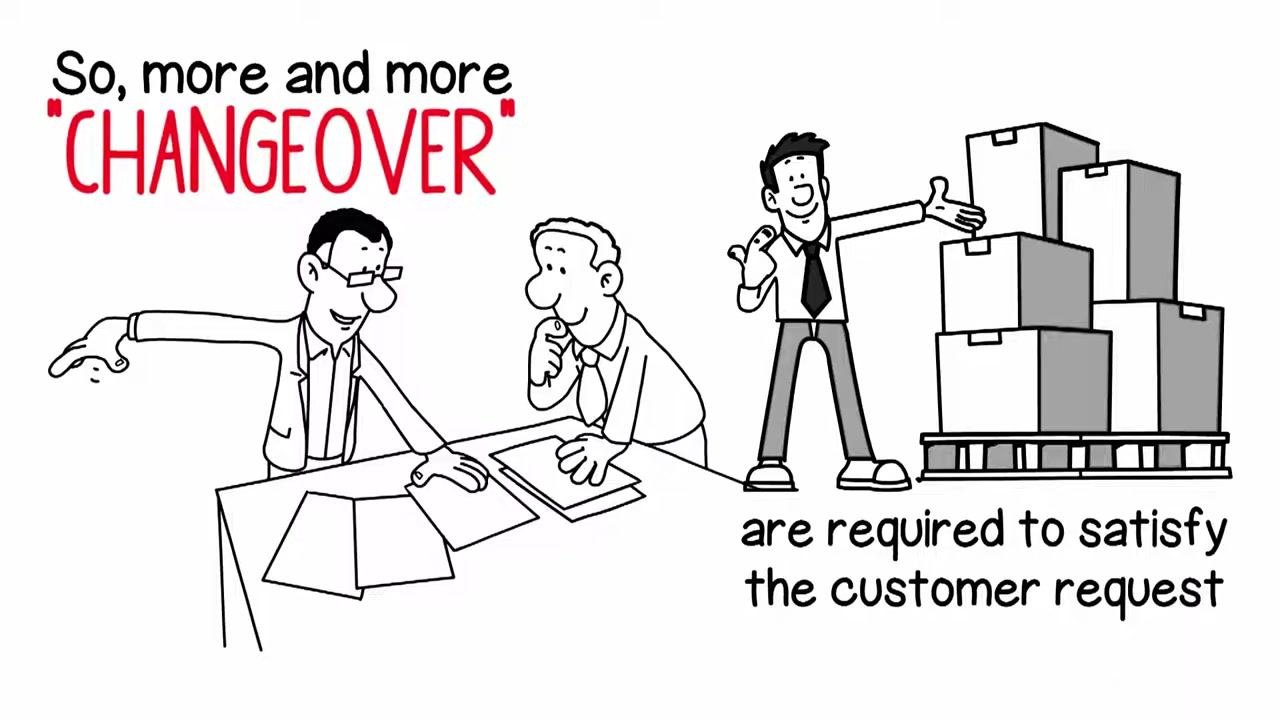
As customer requests become more varied, more frequent changeovers are required to satisfy demand. This growing need for frequent changeovers is the reason SMED is applied.
Safety
The source material does not describe specific lockout, guarding, ergonomic, or vehicle movement precautions. This section should be completed with your facility's safety requirements, including machine lockout/tagout steps, guarding checks, ergonomic considerations for manual tasks, and any vehicle or material movement precautions relevant to the changeover.
Pre-change checklist
Before starting the changeover steps, prepare your team and gather the information needed to analyze the process.
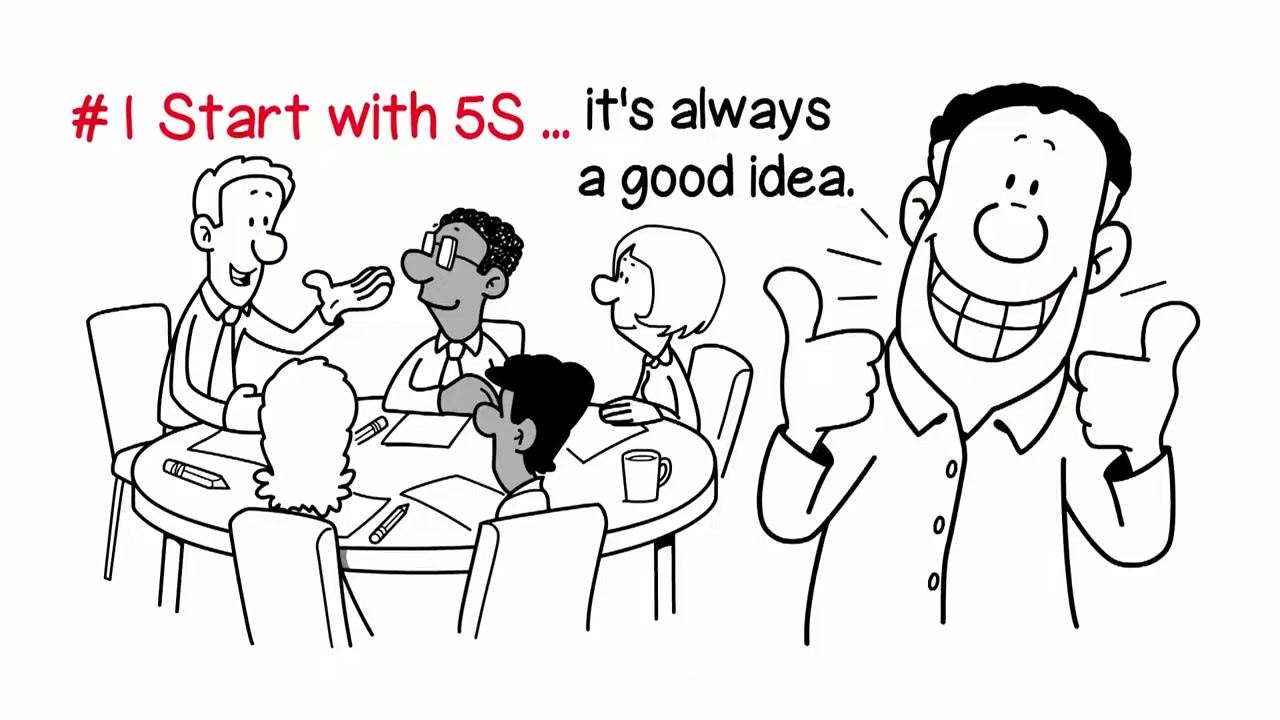
- Gather your team and start with 5S (Sort, Set in order, Shine, Standardize, Sustain) — it is always a good idea to begin here.
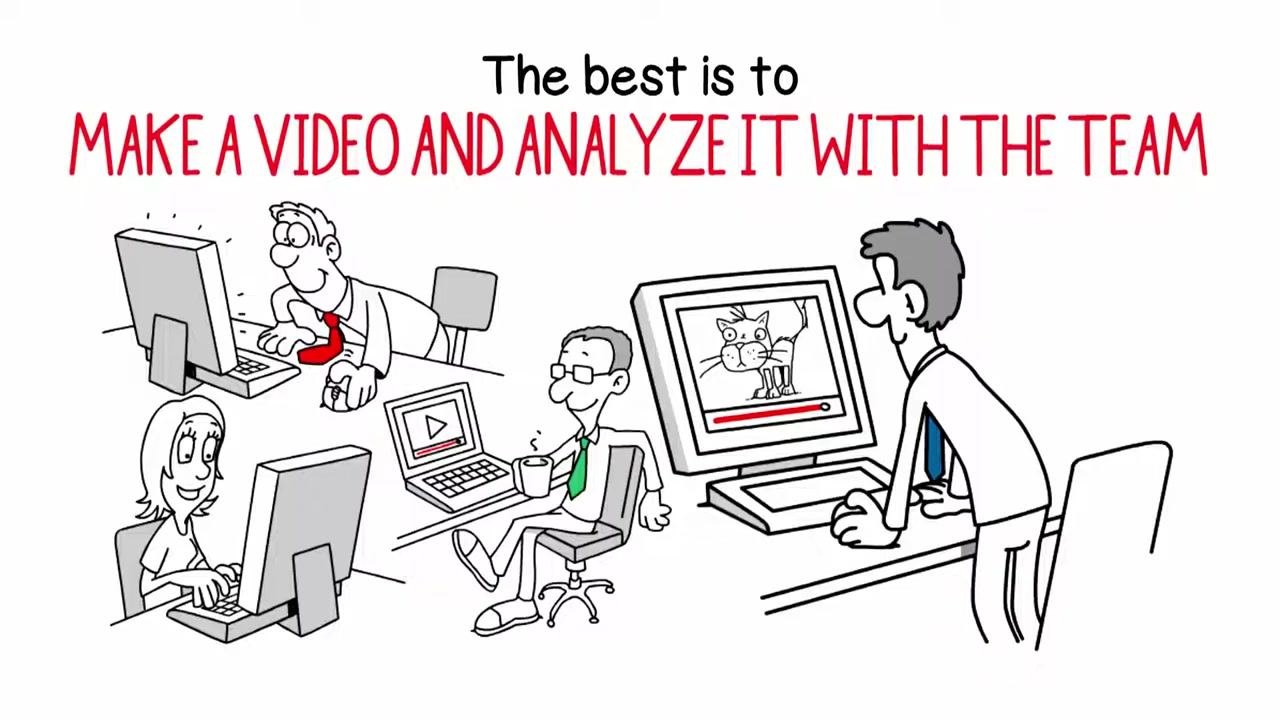
- Record a video of the entire changeover process.
- Play the recorded video on a large screen or individual monitors so all team members can observe it.
- Analyze the video together as a team, discussing each step and identifying improvement opportunities. The best approach is to make a video and analyze it with the team.
Changeover steps
Follow these steps in order to carry out the SMED quick changeover.
-
Observe and classify each activity. Watch the full changeover process and classify every step as either:
- External activity — created while the machine is operating.
- Internal activity — made with a stopped engine.
-
Move internal activities to external activities. Review your classified list and convert as many internal activities as possible into external activities that can be performed while the machine keeps running. At the same time, cut and remove waste such as unnecessary movements and overprocessing.
-
Reduce the time of internal activities. For activities that must remain internal, look for ways to speed them up, such as using quick release nuts and multiple-hole connections combined into one.
-
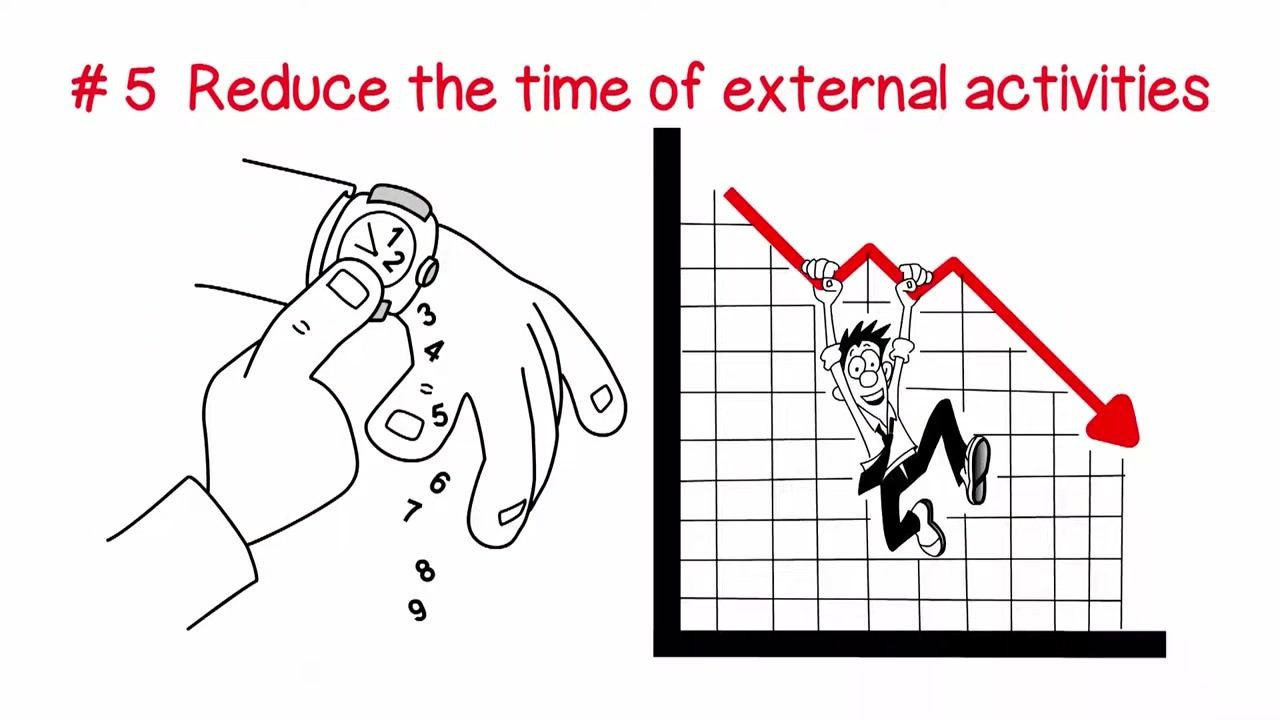
Reduce the time of external activities. Examine all external activities and streamline them to reduce the overall time spent on tasks performed while the machine is running.
The source material does not specify station-by-station responsible roles, verification methods, or exact expected durations for each numbered step beyond the overall target of under 10 minutes. These details should be added based on your team's roles and process timing when implementing this SOP.
First-off approval
The source material does not describe a sample quantity, inspection criteria, signoff roles, or record retention process for first-off approval. This section should be completed with your quality team's requirements for verifying the first units produced after a changeover before full production resumes.
Restart criteria
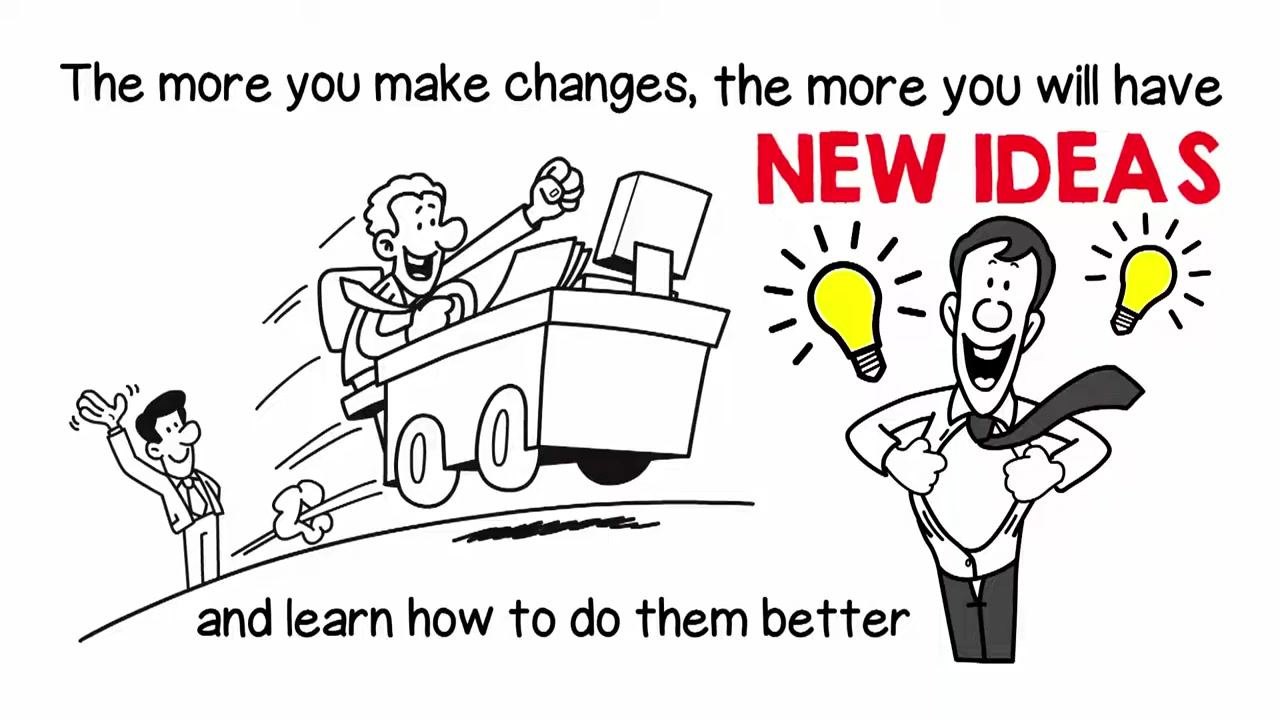
Production can continue improving after each changeover: the more changes your team makes, the more new ideas it will generate and the better it will learn to perform the changeover.
The source material does not specify formal monitoring criteria for the first production lot after restart. This section should be completed with your team's criteria for confirming stable output before returning to normal production rates.
Generation details: cost, quality tiers, downloads
Docsie billed 2,000 credits ($1.40) to analyze this 4-minute video at standard quality. The rewrite, template fill and Word/PDF exports were included. The same video at each quality tier:
| Quality | Frames sampled | Credits | Approx. cost |
|---|---|---|---|
| Draft | every 16-30 s | 1,000 | $0.70 |
| Standard (this guide) | every 8-15 s | 2,000 | $1.40 |
| Detailed | every 4-7 s | 4,000 | $2.80 |
| Ultra | every 1-3 s | 8,000 | $5.60 |
Credits priced at $0.70 per 1,000; plans include a monthly allowance. Enterprise customers on on-premise or bring-your-own-model deployments run this on their own inference and pay no per-video credits.
Generated by Docsie Video-to-Docs on 2026-09-10 from a 3-minute video. It was generated straight into Docsie's Line Changeover SOP template, so every section of that template is filled from the video. Screenshots are frames from the source video and belong to their creator, LeanVlog, whose original is embedded above. If you own this video and want the guide removed or credited differently, contact us and we will act within one business day.