
How to Create a New Hire Onboarding Checklist
Building a new hire onboarding checklist gives your HR team and hiring managers a shared, repeatable plan for bringing employees into the company successfully. Effective onboarding significantly impacts retention and helps new employees adjust to their roles quickly, because onboarding is the process of assisting newly hired employees to adjust to the performance aspects of their new jobs. During onboarding, employees learn the attitudes, knowledge, skills, and behaviors required for effective functioning within the organization, so managers should provide hospitality and a workable environment from the start. This document walks through how to create a new hire onboarding checklist across five main segments — pre-boarding, orientation, first week, third month, and sixth month — so your organization has a clear, structured process from offer acceptance through the employee's first year.
Video: Employee Onboarding Checklist for New Employees by HR University (2022). All credit for the demonstration goes to the creator; watch the original on YouTube. The written guide below was generated from this video by Docsie. Creator? Request a change or removal.
Building a new hire onboarding checklist gives your HR team and hiring managers a shared, repeatable plan for bringing employees into the company successfully. Effective onboarding significantly impacts retention and helps new employees adjust to their roles quickly, because onboarding is the process of assisting newly hired employees to adjust to the performance aspects of their new jobs. During onboarding, employees learn the attitudes, knowledge, skills, and behaviors required for effective functioning within the organization, so managers should provide hospitality and a workable environment from the start. This document walks through how to create a new hire onboarding checklist across five main segments — pre-boarding, orientation, first week, third month, and sixth month — so your organization has a clear, structured process from offer acceptance through the employee's first year.

Role Context
Onboarding covers five main segments: pre-boarding (preparation before the employee's first day), orientation (welcoming the new employee), the first week (introducing the employee to the company, colleagues, and role), the third month (training and feedback), and the sixth month (check-in and feedback). Each segment has a distinct purpose in helping the employee integrate and reach full effectiveness in the role.


This section of your checklist should record the specific role title, team, reporting manager, work location, and confirmed start date, along with the success outcomes the new hire is expected to reach by the end of onboarding; these specifics are set by HR and the hiring manager for each new hire and are not standardized in this guide.
Preboarding Checklist
Pre-onboarding begins immediately after the employee accepts a job offer. New hires may overthink their decision and experience mixed feelings about the company during this period, so it is critical for HR to keep the new hire motivated and connected before their first day.
Complete the following actions before the employee's start date:
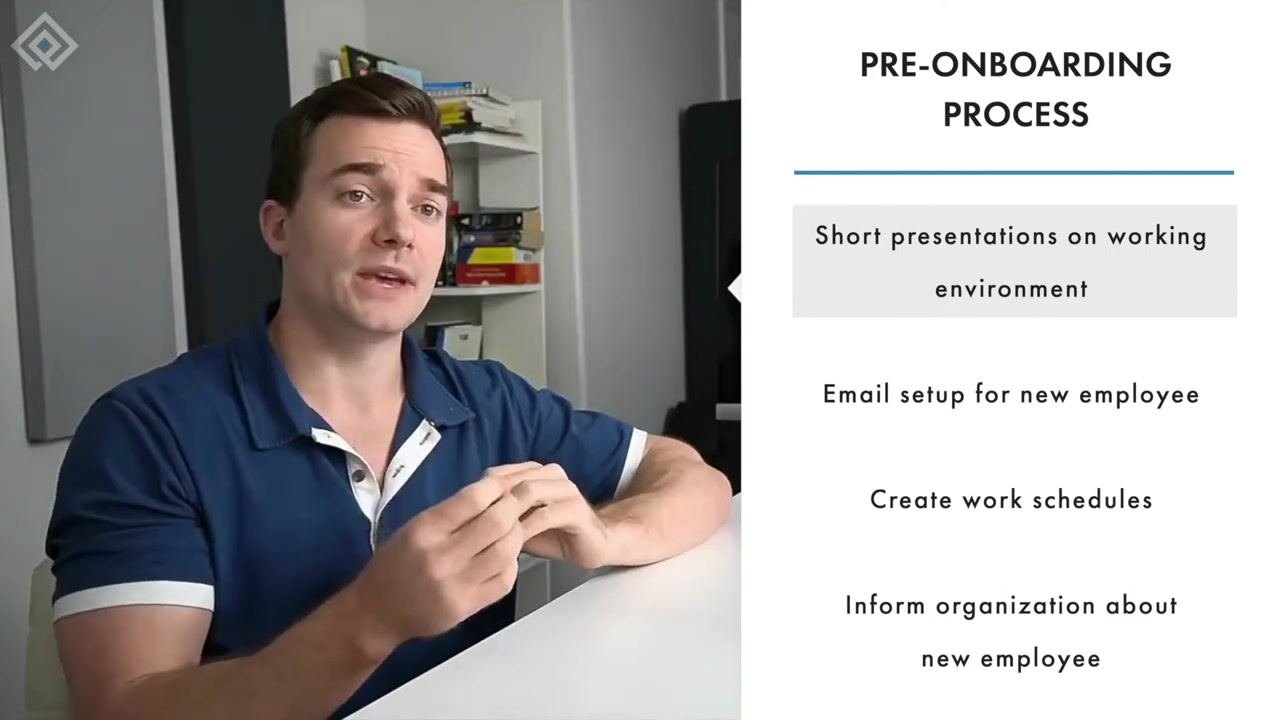
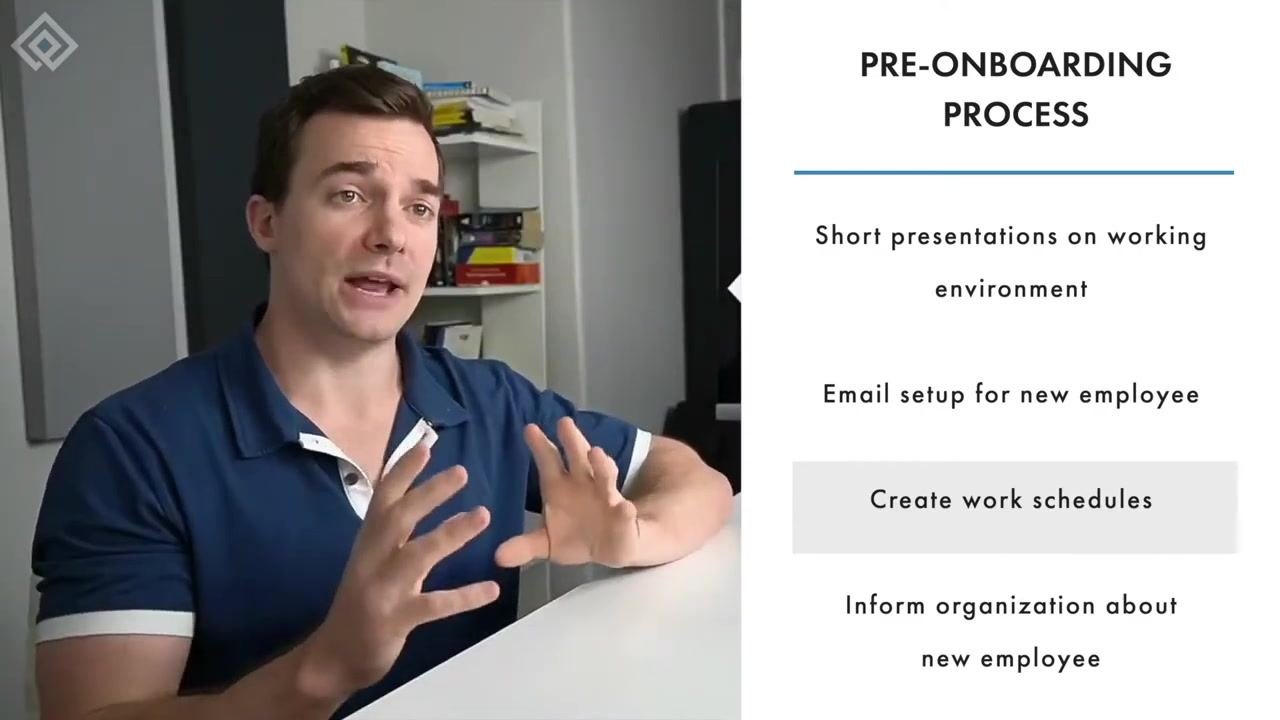
- Create a short video or presentation: Develop a brief, friendly, and genuine overview of the working environment and the employee's daily duties, including a summary of your company's culture. Avoid generic or patronizing language so the new hire can visualize their future workplace and feel welcomed.
- Set up professional email and system access: Create a professional email account and provide access to necessary company systems, cloud computing software, and any platforms required for the role so the new hire can reach important documents and resources before day one.
- Enable early engagement with company projects: Allow the new employee to review previous projects and company materials so they can learn more about the organization and its operations ahead of starting.
- Assist in creating a work schedule: Outline daily duties and expectations, and help the new hire build a working schedule for their first day and first week. This structure fosters healthy working habits and helps the employee build momentum from the start.
- Inform the organization about the new hire: Notify relevant teams and departments about the incoming employee so everyone is prepared to welcome and support the new team member, which prevents the new hire from feeling like an outsider.
Also complete these physical and logistical preparations before the first day:
- Organize the new employee's office desk: Prepare the workspace so it is clean, organized, and ready for arrival.
- Reassess and adjust working equipment: Review equipment needs (computer, phone, chair, etc.) and make any necessary adjustments or upgrades so everything is functional and comfortable.
- Prepare a warm welcome package: Gather company-branded materials such as notepads, pens, pencils, and other useful items, and place them on the new employee's desk to create a welcoming atmosphere.
- Confirm all preparations are complete: Double-check that the workspace, equipment, and welcome materials are ready before the employee arrives.
First Day Agenda
Keep the first day simple yet effective, and avoid overwhelming the new hire with too much information or too many tasks.
Structure the first day around the following:
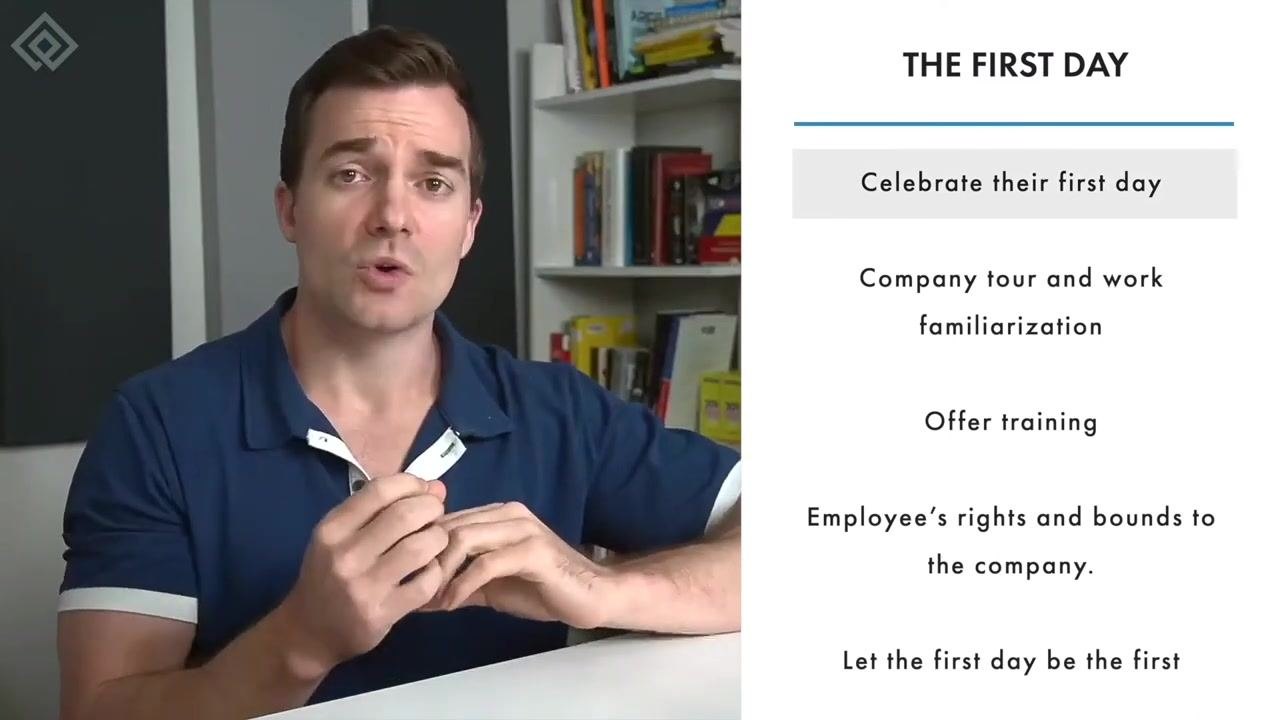
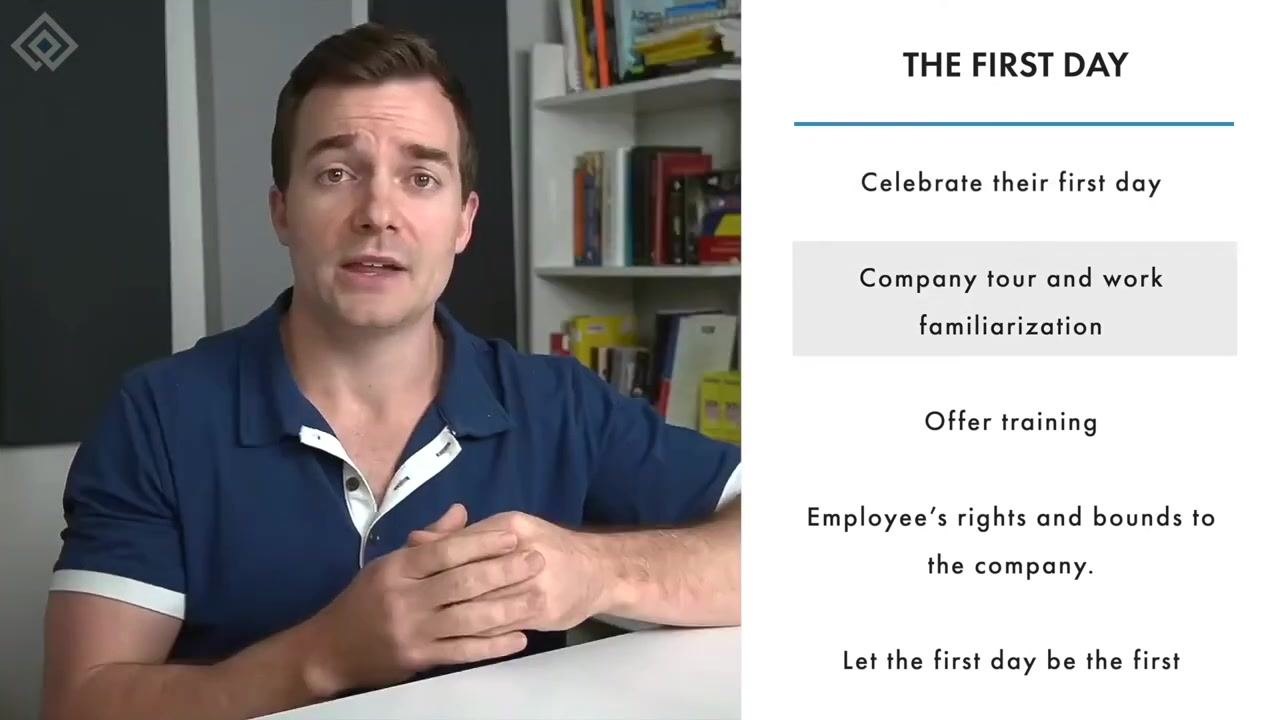
- Celebrate the new employee's first day: Show appreciation with a small gesture, such as a welcome email that includes executives or stakeholders and introduces the new hire to the team. A party is not necessary; a thoughtful message or small token is sufficient.
- Familiarize the new employee with the workplace: Provide a company tour, introducing the new hire to key areas and colleagues, and explain the working climate and company culture as you go.
- Offer training and explain access to resources: Show the new employee how to access company systems and where to find training materials, and explain where and how training opportunities are provided.
- Discuss employee rights and company benefits: Clearly explain the employee's rights, company policies, and available benefits such as medical insurance, company protection, leave, and other perks.
- Let the first day be an introduction: Avoid starting intensive onboarding tasks on the first day. Allow the new hire to settle in, meet colleagues, and get comfortable before beginning formal onboarding activities on day two.


Begin the formal onboarding process on day two by moving beyond introductions and initial familiarization, and start structured onboarding activities that continue throughout the employee's first week.
First Week Plan
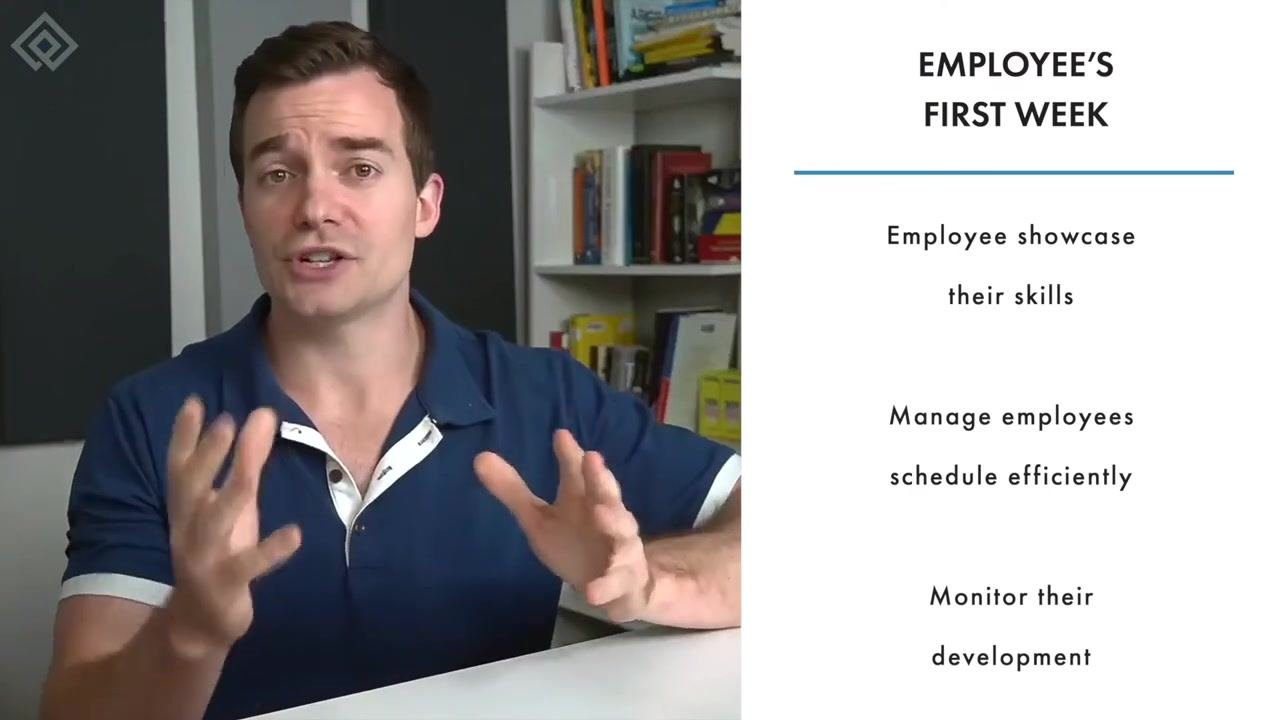
During the first week, allow the new employee to showcase their skills, manage the employee's schedule efficiently to ensure smooth integration, and monitor the employee's development consistently throughout the week.
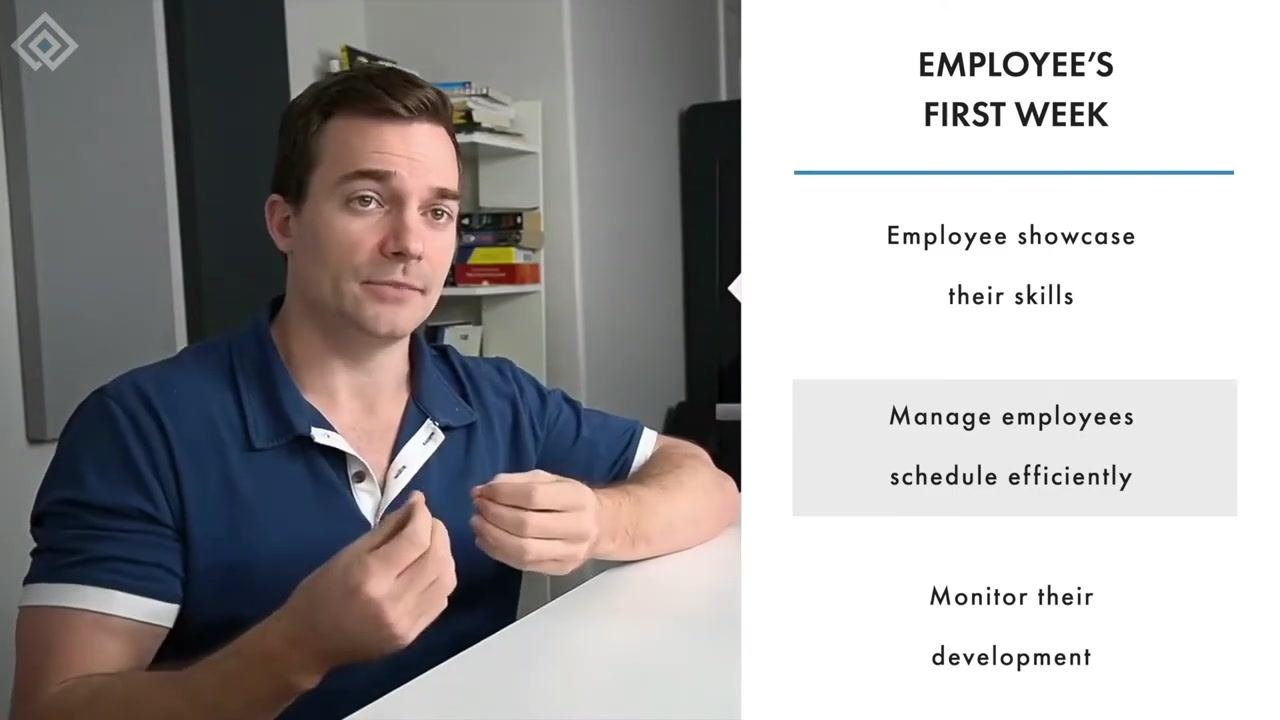
Keep up the momentum by regularly monitoring the employee's development, but avoid being invasive. Check in with the employee periodically to ensure they are keeping up with their daily obligations, and encourage them to feel comfortable and supported in their new role.
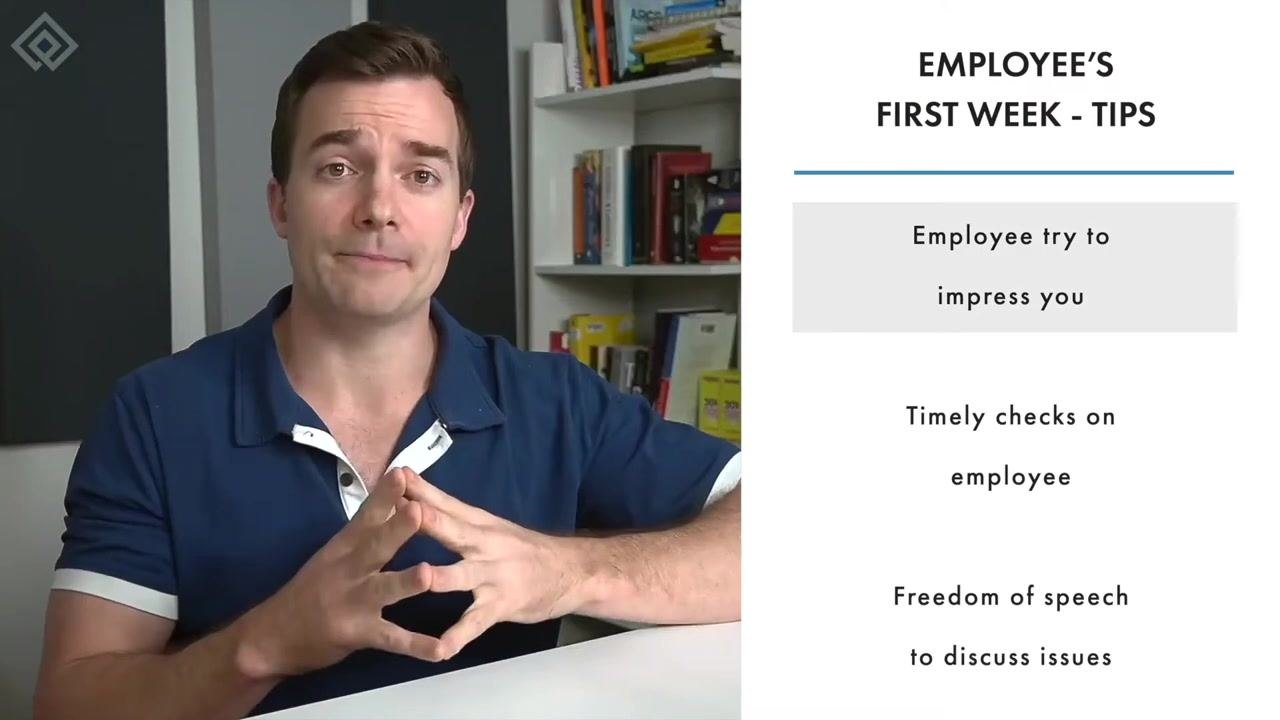
New employees will try to impress you during their first week. Perform timely checks on the employee, but do not micromanage, and ensure the employee has the freedom to discuss any issues openly.

Also build the following into the first-week plan:
- Schedule regular check-ins: Arrange daily or frequent meetings with the new employee to address questions, provide feedback, and ensure they feel supported.
- Assign a mentor or onboarding buddy: Pair the new hire with an experienced team member who can offer guidance, answer questions, and help them acclimate to the workplace.
- Set clear expectations and goals for the first week: Communicate what the new employee should aim to accomplish by the end of their first week, and outline any required training modules, introductory projects, or meetings they should attend.
30/60/90 Day Goals
After the first week, the "newbie's grace period" begins and lasts several months. Guide the employee to integrate with the company's culture, allow enough time for the employee to settle into their new role, and conduct regular performance evaluations during this period. Include the 30-60-90 day scheme in the onboarding plan.

Set predetermined plans and goals that are compatible with the time frame and the job description, and evaluate the employee's performance based on these goals.
30 days: Assign tasks that allow the employee to handle professional obstacles, and ensure tasks assigned are purposeful and relevant to the role, not simply imposed to test them. Perform regular checks on the employee's progress, provide constructive feedback, track progress from a third-person perspective for objectivity, maintain a balance between the new hire and existing employees, and encourage participation in team-building activities to foster integration.

Use the following methods to observe progress during the 30-day period:
- Assign tasks to the new employee that are purposeful and relevant to their role.
- Regularly check on the employee to monitor their adaptation and progress.
- Provide feedback to the employee, ensuring it is constructive and relevant.
- Track the employee's progress from a third-person perspective to maintain objectivity.
- Maintain a balance between the new hire and existing employees to foster inclusion.
- Encourage participation in team-building activities to support integration and motivation.

Feedback from the employee is extremely beneficial for both the company and the employee's development, so set a strong foundation early by encouraging open communication.
Deliver feedback that is constructive and relevant to the employee's role and performance, and avoid vague or generic feedback — be specific and actionable.
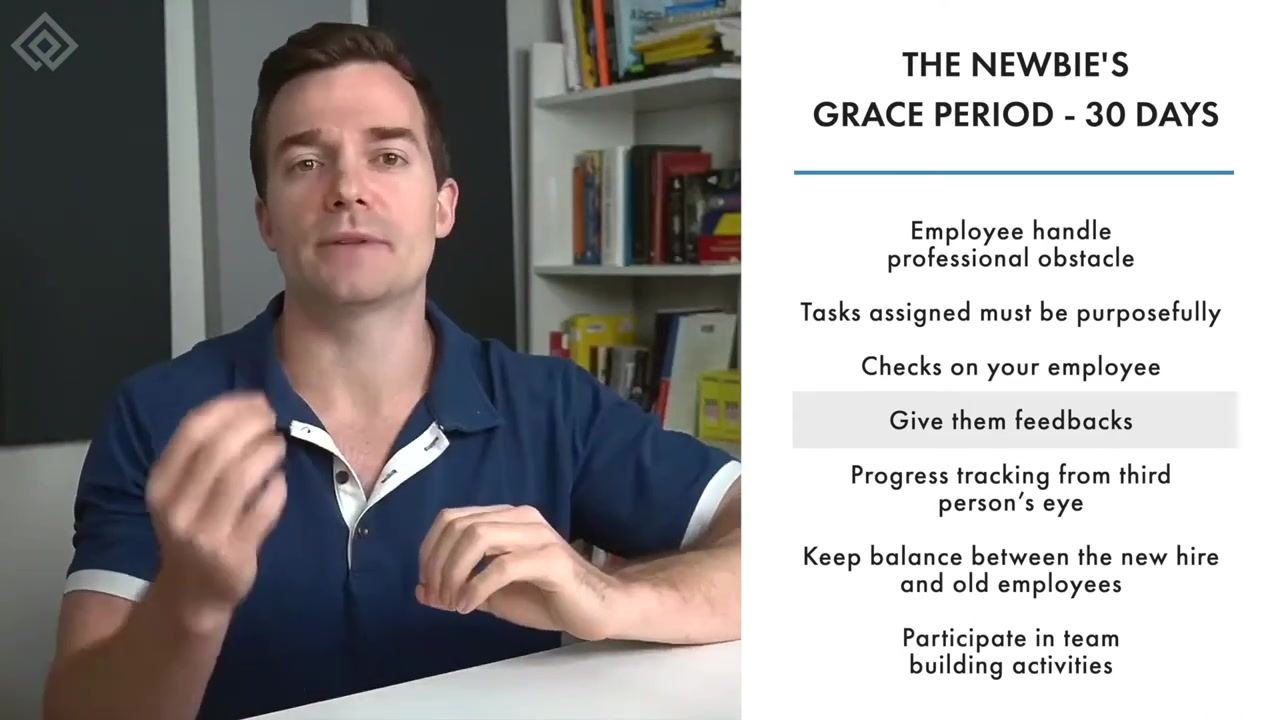
Track progress from a third-person perspective to ensure an objective point of view.
Ensure the new employee does not feel left out of the group by maintaining a balance between new hires and existing employees, and promote participation in team-building activities to improve motivation and team spirit.
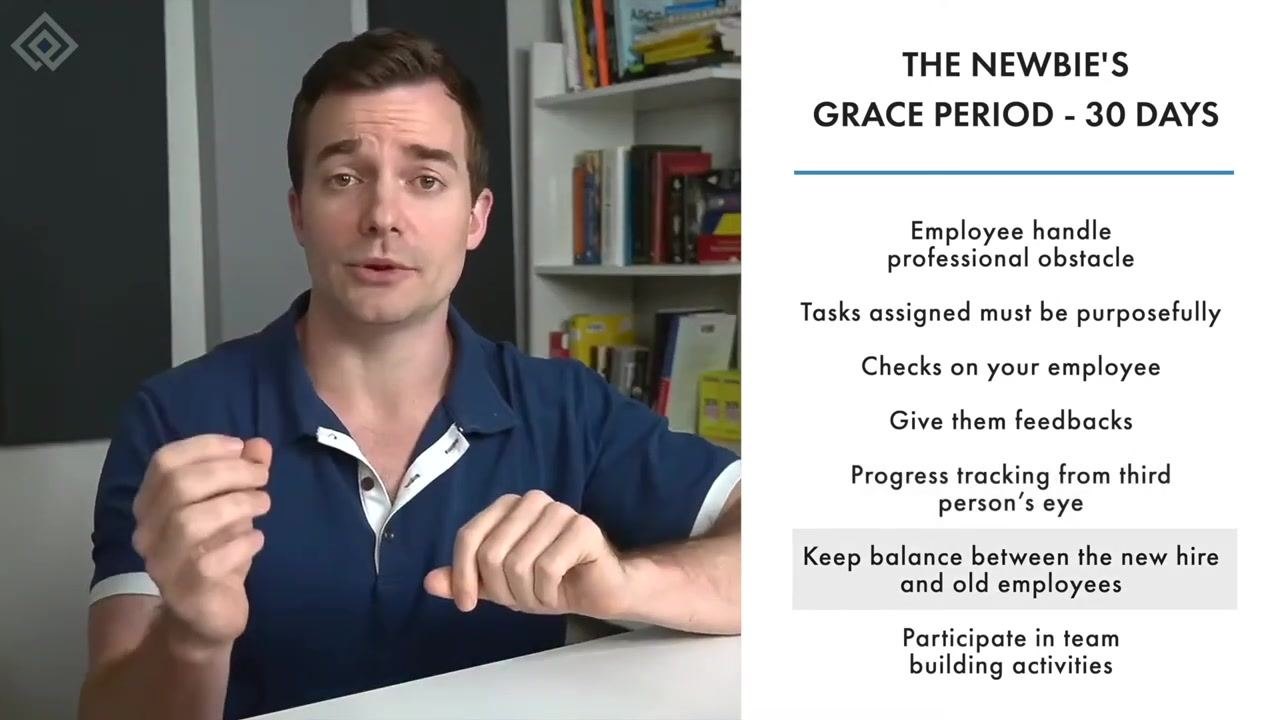
Recognize that the new employee is adapting to your work culture, and provide support throughout this process.
60 days (fourth month): During the initial period of the fourth month, boost the goals the employee needs to accomplish, ensuring they fit together and are not imposed arbitrarily. In the last period of the grace trimester, ensure the new employee meets all previously agreed-upon goals; once these goals are met, set new objectives for the final part of the onboarding process, taking into account the employee's progress, integration, and readiness for new challenges.

90 days (last period of the grace trimester): Set attainable and well-crafted performance goals for the employee, ensuring they are realistic, clearly defined, and aligned with the employee's role and company objectives.
Discuss the employee's current performance, reviewing achievements and areas for improvement, and propose further training if necessary to help the employee reach higher goals.
Encourage team building within the company and employ working in pairs where possible, pairing the new employee with a colleague to foster knowledge sharing and support; this approach improves overall company performance and boosts team collaboration.
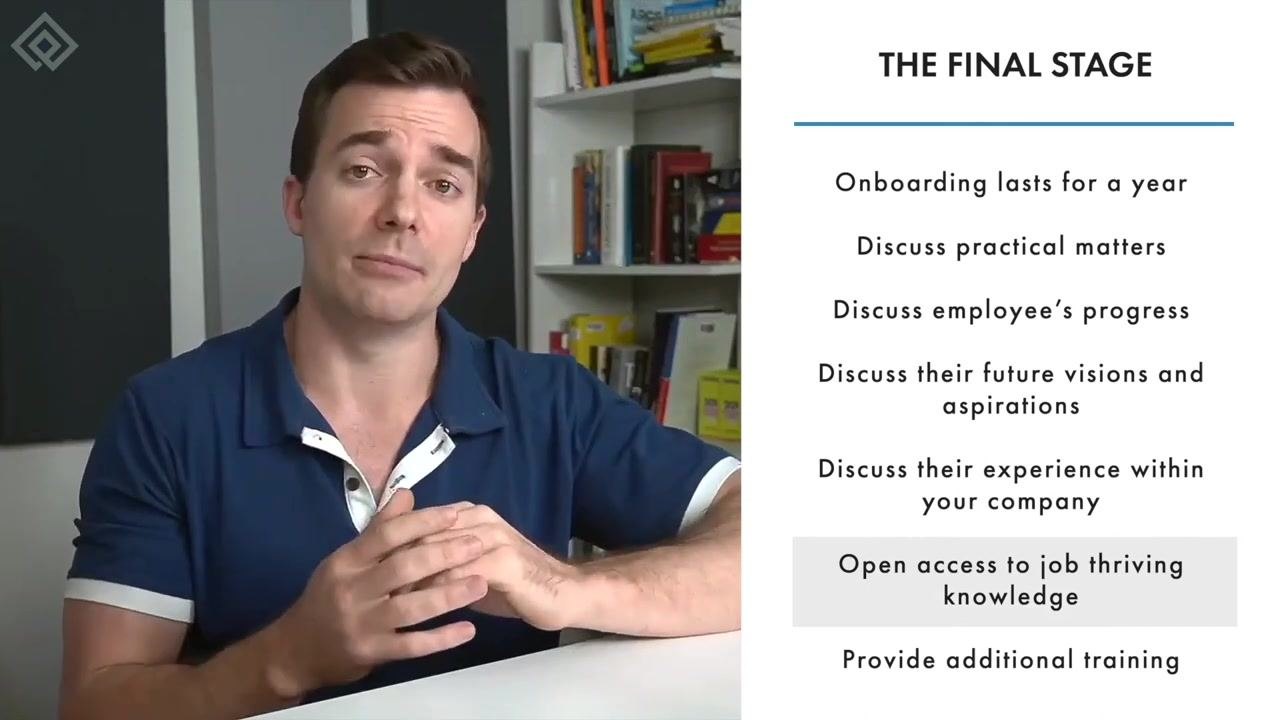
Beyond 90 days — the final stage: Onboarding typically lasts for a year, since a comprehensive onboarding process extends beyond the grace period and may take up to a year depending on the role's complexity.
During the final stage, discuss practical, day-to-day operational matters with the employee to ensure they are comfortable with all practical aspects of their role.
Review the employee's progress regularly, provide feedback, and set new development targets. Also discuss the employee's future visions and aspirations, engaging in conversations about career goals and long-term ambitions within the company.
Discuss the employee's experience within your company, soliciting feedback on their integration, satisfaction, and any challenges faced. Employees are the driving force of the company, so the onboarding environment should remain welcoming, with a focus on open communication and support throughout this final stage.

Provide open access to knowledge that helps employees thrive in their job.
Offer additional training as needed to support ongoing development; be proactive in identifying training needs and making resources available, since this support is crucial during the first year to encourage retention and engagement.









Systems and Access
Before the employee's first day, HR should set up a professional email account for the new employee and provide access to necessary company systems, cloud computing software, and any platforms required for their role, so the new hire can access important documents and resources ahead of starting. Also allow the new employee to review previous projects and company materials so they can learn about the organization's operations before day one.
This section of your checklist should list each specific tool and permission required for the role, along with the system owner responsible for granting access and the due date for setup, so that access is confirmed before the employee arrives.
Check-ins and Feedback
Build a cadence of regular check-ins throughout onboarding. During the first week, schedule daily or frequent meetings with the new employee to address questions, provide feedback, and ensure they feel supported, and pair them with a mentor or onboarding buddy who can offer guidance and help them acclimate.
During the grace period, perform regular checks on the employee's progress, provide constructive and specific feedback, and track progress from a third-person perspective to maintain objectivity. Feedback from the employee is equally valuable to the company and should be actively encouraged, since it helps set a strong foundation for open communication.

At each milestone — 30 days, 60 days, and 90 days — review whether predetermined goals have been met and set new objectives that reflect the employee's progress, integration, and readiness for new challenges. In the final stage of onboarding, continue regular progress reviews and discussions about the employee's experience, future aspirations, and any additional training needs, since this support is crucial for retention and engagement throughout the employee's first year.
Engage with your employees from day one by asking yourself how you would treat your employee on their first day at the job, and carry that same level of attentiveness through every check-in that follows.
Generation details: cost, quality tiers, downloads
Docsie billed 6,000 credits ($4.20) to analyze this 12-minute video at standard quality. The rewrite, template fill and Word/PDF exports were included. The same video at each quality tier:
| Quality | Frames sampled | Credits | Approx. cost |
|---|---|---|---|
| Draft | every 16-30 s | 3,000 | $2.10 |
| Standard (this guide) | every 8-15 s | 6,000 | $4.20 |
| Detailed | every 4-7 s | 12,000 | $8.40 |
| Ultra | every 1-3 s | 24,000 | $16.80 |
Credits priced at $0.70 per 1,000; plans include a monthly allowance. Enterprise customers on on-premise or bring-your-own-model deployments run this on their own inference and pay no per-video credits.
Generated by Docsie Video-to-Docs on 2026-09-10 from a 11-minute video. It was generated straight into Docsie's New Hire Onboarding Plan template, so every section of that template is filled from the video. Screenshots are frames from the source video and belong to their creator, HR University, whose original is embedded above. If you own this video and want the guide removed or credited differently, contact us and we will act within one business day.