
How to Dispose of Sharps Container
This procedure provides guidance for the safe collection, storage, and disposal of needles and other sharps. Following these steps helps prevent injury to yourself, others, and animals, and ensures compliance with local disposal regulations.
Video: How to Dispose of Sharps (Needles & Syringes) by Diabetes Strong (2020). All credit for the demonstration goes to the creator; watch the original on YouTube. The written guide below was generated from this video by Docsie. Creator? Request a change or removal.
Purpose
This procedure provides guidance for the safe collection, storage, and disposal of needles and other sharps. Following these steps helps prevent injury to yourself, others, and animals, and ensures compliance with local disposal regulations.
Scope
This procedure applies to anyone who uses needles, syringes, infusion sets, lancets, autoinjectors, or any device with a puncturing component — including individuals managing diabetes or other conditions requiring regular injections or blood sampling. "Sharps" is the medical term covering all such objects capable of cutting or puncturing skin.
Required equipment / materials
Depending on the disposal method you choose, you will need one of the following:
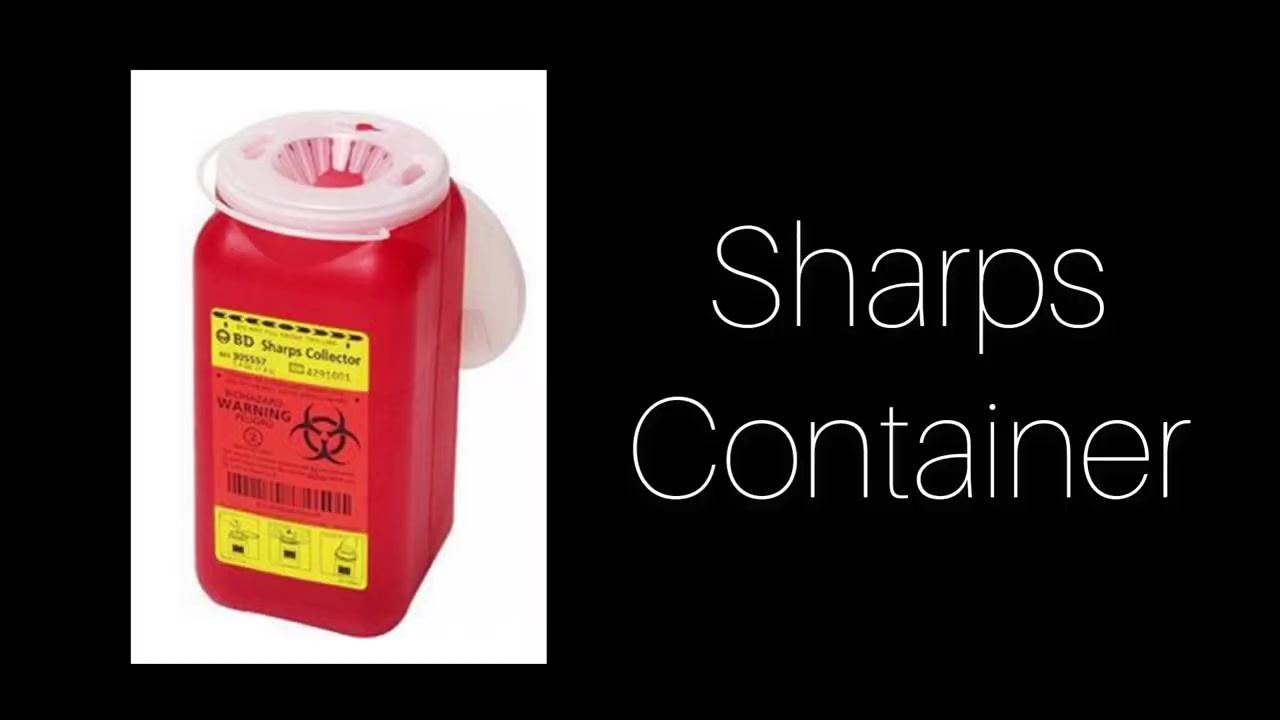
- A commercial sharps container (available at pharmacies or online, approximately $7)
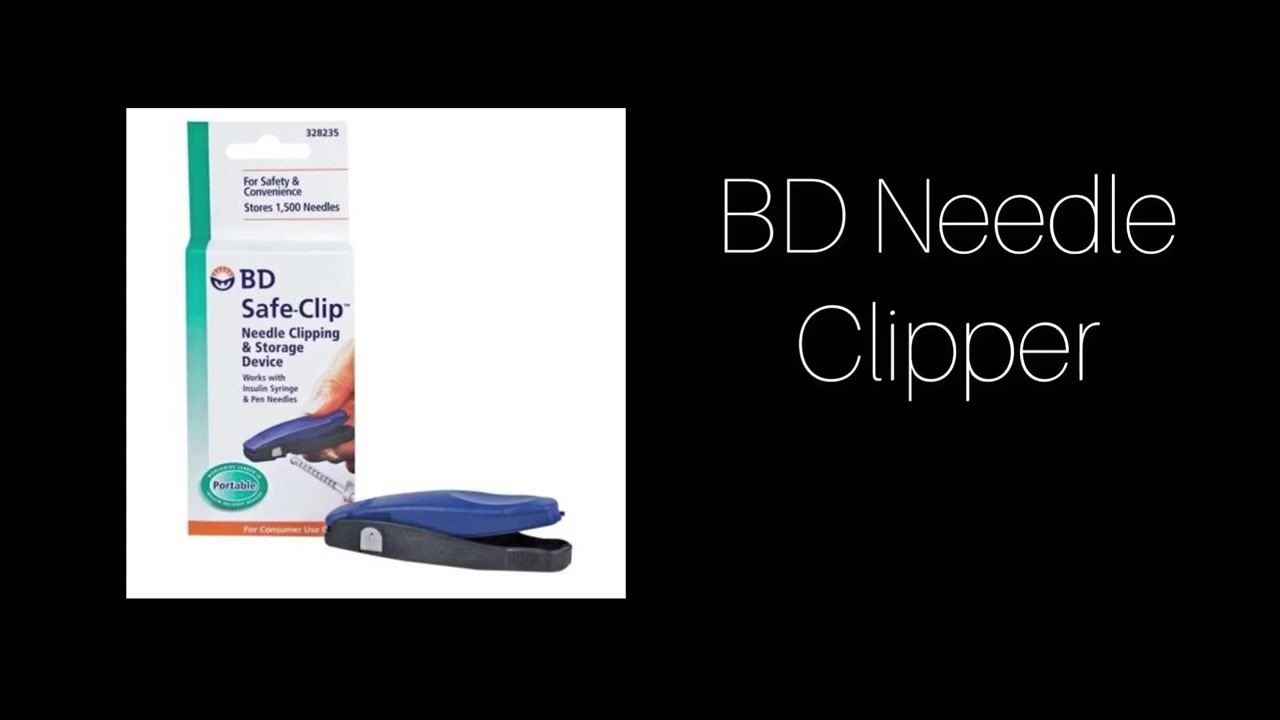
- A BD Needle Clipper (a portable device for clipping and storing used needles, compatible with 28–31 gauge needles, approximately $7 on Amazon)
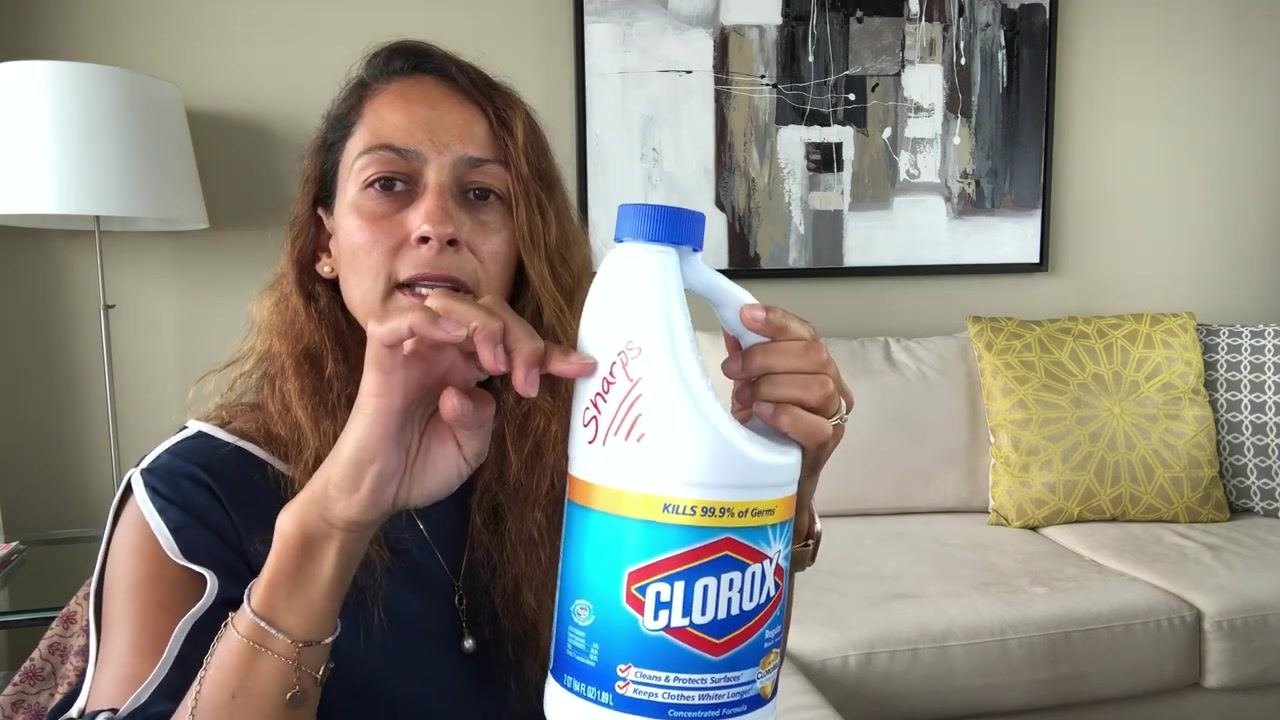
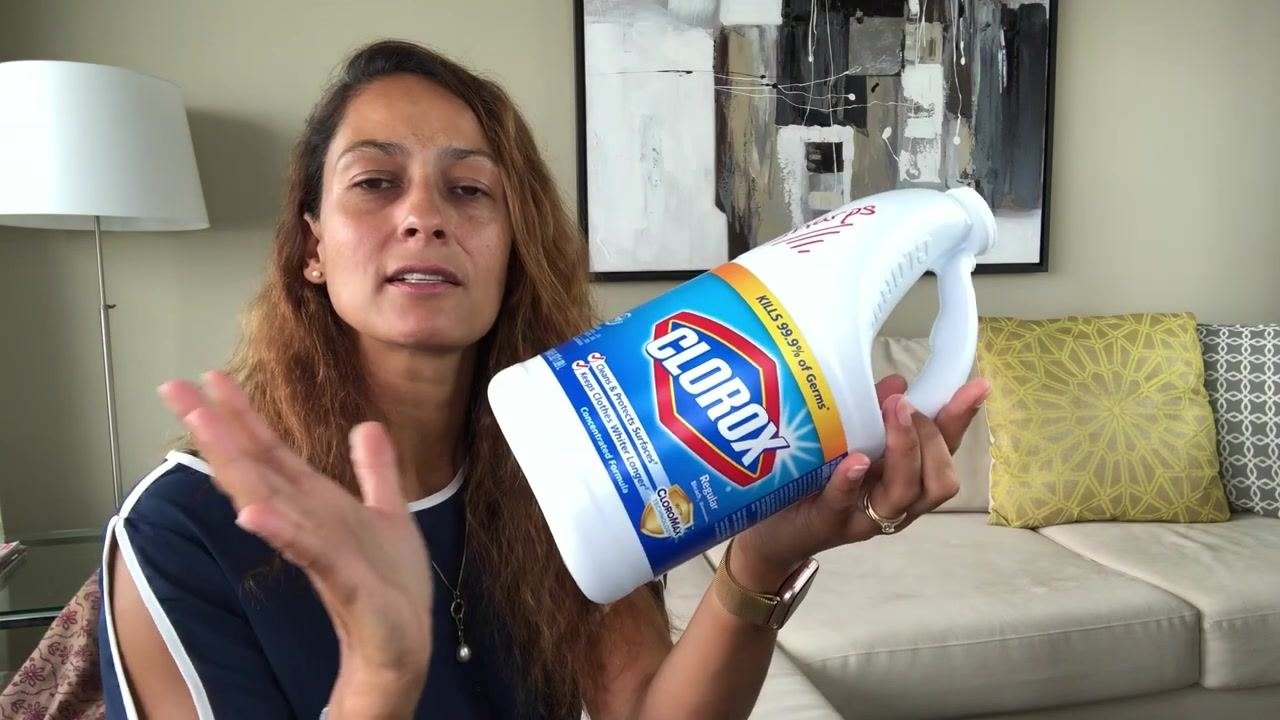
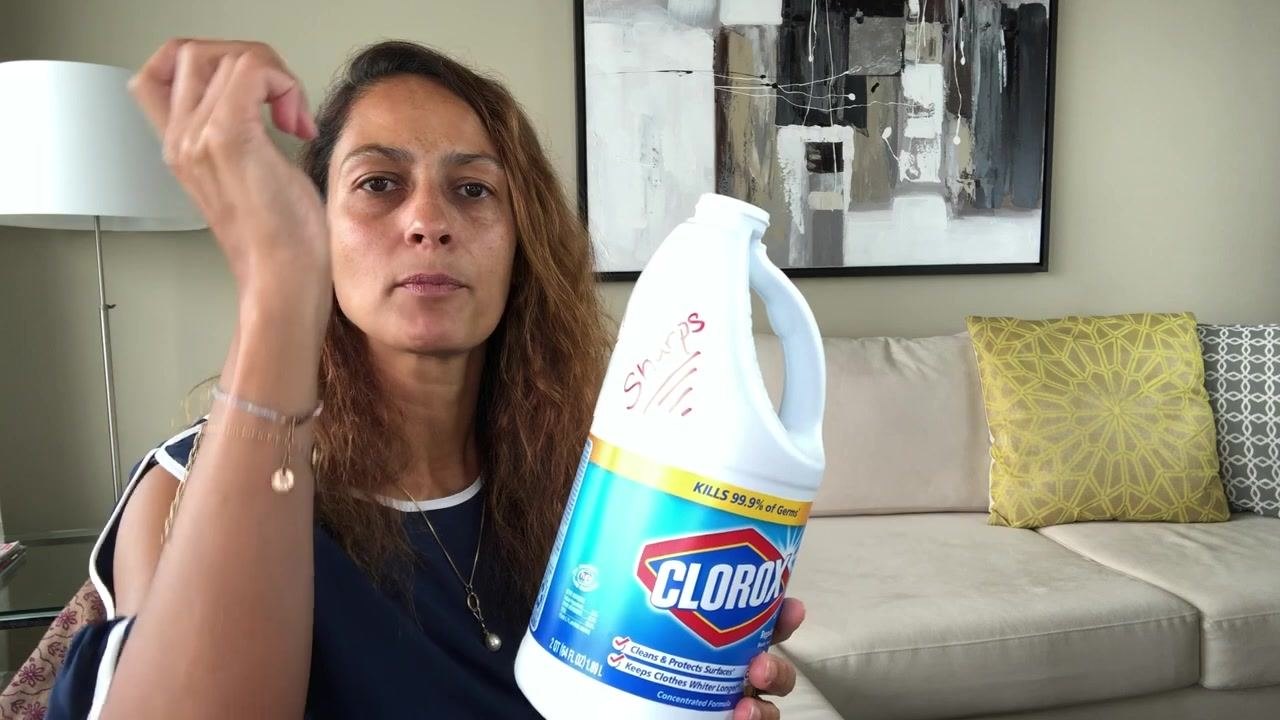
- A homemade sharps container made from a clean, hard plastic bottle (such as an empty bleach or detergent bottle) with a secure lid, plus a permanent marker for labeling
Safety notes
- Never place sharps directly in regular household trash. Many regions, including several US states, prohibit this practice.
- Improper disposal creates safety hazards for people and animals who may come into contact with the trash.
- Never place sharps containers — homemade or commercial — in the recycling bin. Sharps cannot be recycled.
- Always check your local regulations before disposing of a full sharps container, as rules vary by location (for example, sharps containers cannot be thrown in the trash in California, Massachusetts, or parts of Washington).
Step-by-step procedures
Method 1: Using a BD Needle Clipper (portable disposal)
- Purchase a BD Needle Clipper.
- The device is available for approximately $7 on Amazon and is compatible with needles ranging from 28 to 31 gauge.
- A purchase link is typically provided in the accompanying video description.
-
Prepare the needle clipper.
- Hold the device in your hand and click on the sides to open it. The top will pop up with a spring action.
- Locate the small hole where the needle will be inserted.
-
Dispose of a used needle.
- Take the used syringe with the needle attached and insert the needle into the hole on the device.
- Press firmly to clip the needle off. The sharp portion is safely stored inside the device, which can hold up to 1,500 clipped needles.
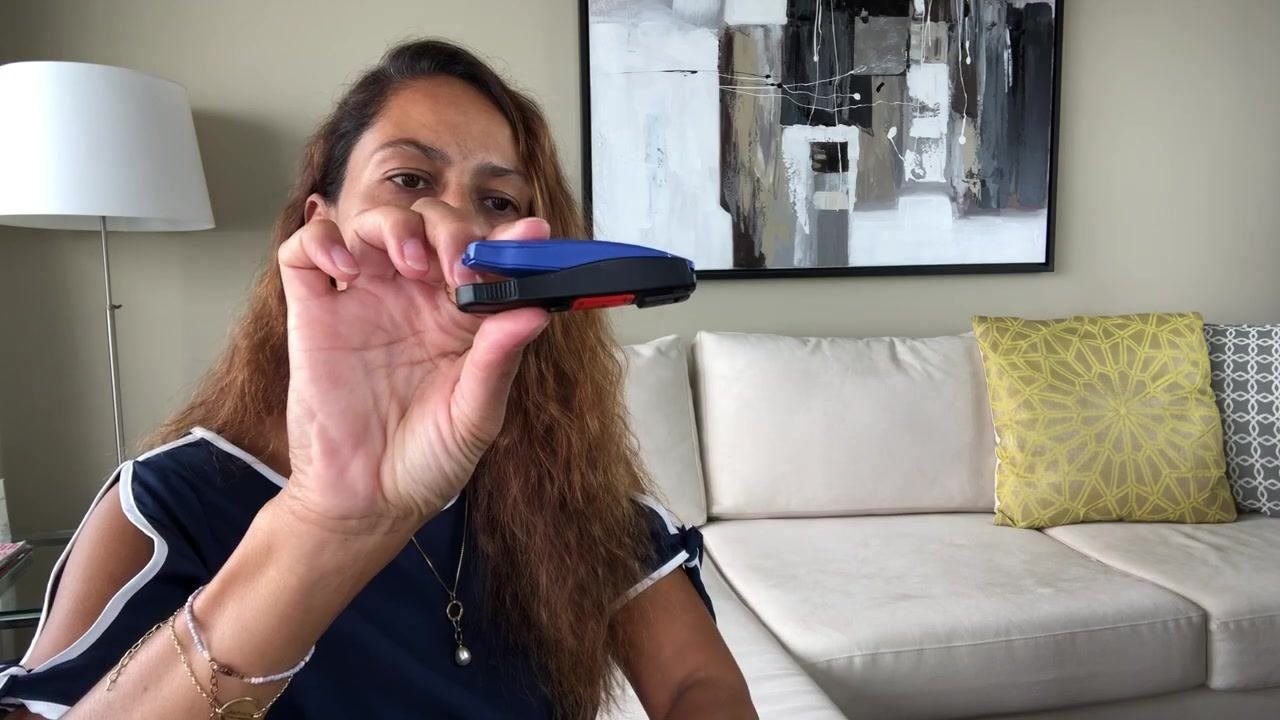
Safety note: This device is especially useful for safe disposal while traveling.
Method 2: Using a commercial sharps container
-
Purchase a sharps container.
- Obtain a hard plastic sharps container from a local pharmacy or online retailer such as Amazon, typically costing around $7.
- A purchase link is usually included in the video description.
-
Dispose of used sharps.
- Immediately after using a needle, syringe, or other sharp object, place it into the sharps container.
- Do not overfill the container; replace it with a new one once it is full.
-
Secure the container.
- Once full, tighten the lid securely.
- Set the container aside until you can dispose of it according to local regulations.
Method 3: Creating and using a homemade sharps container
Use this method only when a commercial sharps container is unavailable.
- Select a suitable container.
- Choose a hard plastic container, such as an empty bleach or detergent bottle, that has been thoroughly washed and dried.
- Do not use water bottles or other thin, flimsy plastic containers, as sharps can easily puncture them.
- Label the container clearly with the word "Sharps" using a permanent marker.
-
Prepare the container for use.
- Confirm the container is completely dry before use.
- Verify that the lid fits securely to prevent accidental spills.
-
Dispose of used sharps.
- Immediately after use, drop the needle or sharp object into the homemade container.
- Do not overfill the container; leave enough space so the lid can close securely.
-
Seal and store the container.
- When the container is nearly full, screw the lid back on securely.
- Store the sealed container in a safe place, out of reach of children and pets, until ready for final disposal.
-
Do not recycle.
- Never place sharps containers, homemade or commercial, in the recycling bin.
- Only dispose of the container in regular trash if local regulations permit, and only if it is firmly sealed.
-
Check local disposal regulations.
- Disposal rules vary by location. In some areas, including California, Massachusetts, and parts of Washington, it is illegal to place sharps containers in the trash.
- Always verify your local regulations before disposing of a full container.
-
Use SafeNeedleDisposal.org for guidance (U.S. only).
- Visit SafeNeedleDisposal.org.
- Enter your zip code to find approved sharps disposal locations near you.
- This free service provides up-to-date information on safe disposal options in your area.
Additional disposal options
- Explore drop-off and pickup services.
- Consider dropping off your sealed sharps container at an approved collection site. Many pharmacies, hospitals, and clinics offer sharps disposal services.
- In some areas, pickup services are available that will collect your sealed sharps container from your home.
- Check with your local health department or visit SafeNeedleDisposal.org to determine what options are available in your area.
Verification / summary
Before considering the disposal process complete, confirm the following:
- Sharps were never placed in regular household trash or recycling bins.
- Used sharps were stored in an approved sharps container (commercial, BD Needle Clipper, or homemade) immediately after use.
- Homemade containers were made of hard plastic, clearly labeled "Sharps," and never made from thin plastic.
- Full containers were sealed securely before storage or disposal.
- Local regulations were checked prior to final disposal.
- Drop-off or pickup services were used where available, or the container was disposed of according to local rules.
What's next
- Always check your local regulations before disposing of a full sharps container.
- Use SafeNeedleDisposal.org for up-to-date disposal site information within the United States.
- Consider professional pickup services where available for added convenience and safety.
Following this procedure protects yourself, your household, and your community from the hazards of improper sharps disposal.
Generation details: cost, quality tiers
Docsie billed 3,000 credits ($2.10) to analyze this 6-minute video at standard quality. The rewrite, template fill and Word/PDF exports were included. The same video at each quality tier:
| Quality | Frames sampled | Credits | Approx. cost |
|---|---|---|---|
| Draft | every 16-30 s | 1,500 | $1.05 |
| Standard (this guide) | every 8-15 s | 3,000 | $2.10 |
| Detailed | every 4-7 s | 6,000 | $4.20 |
| Ultra | every 1-3 s | 12,000 | $8.40 |
Credits priced at $0.70 per 1,000; plans include a monthly allowance. Enterprise customers on on-premise or bring-your-own-model deployments run this on their own inference and pay no per-video credits.
Generated by Docsie Video-to-Docs on 2026-09-08 from a 5-minute video. Screenshots are frames from the source video and belong to their creator, Diabetes Strong, whose original is embedded above. If you own this video and want the guide removed or credited differently, contact us and we will act within one business day.