
How to Check Ng Tube Placement
Protocol Identifier: NG-TUBE-PLACEMENT-CHECK Version: 1.0 Issuing Institution: Children's Hospital Colorado
Video: NG Tube Education: How to Check Placement of an NG Tube by Children's Hospital Colorado (2021). All credit for the demonstration goes to the creator; watch the original on YouTube. The written guide below was generated from this video by Docsie. Creator? Request a change or removal.
Protocol Identifier: NG-TUBE-PLACEMENT-CHECK Version: 1.0 Issuing Institution: Children's Hospital Colorado
This document explains how to check NG tube placement before giving feeds or medications through the tube. It is written for caregivers and follows a structured protocol format so that every step, requirement, and safety check can be reviewed and verified. This guidance is for informational and educational purposes only and does not replace professional medical advice.
Study Synopsis
| Field | Description |
|---|---|
| Protocol Title | How to Check NG Tube Placement |
| Issuing Institution | Children's Hospital Colorado |
| Phase | Not applicable — patient/caregiver education procedure |
| Indication | Confirming correct NG tube position before feeding or giving medication |
| Study Population | Children with a nasogastric (NG) tube in place, procedure performed by a caregiver |
| Design Summary | Sequential, single-subject procedure using a syringe, pH paper, and visual/behavioral monitoring |
| Primary Endpoint | pH value of withdrawn stomach contents (target range 1–5 indicates correct stomach placement) |
| Estimated Duration | Approximately 115 seconds (under 2 minutes) per check |
Background & Rationale
Children who require NG tube feeding rely on the tube remaining correctly positioned in the stomach. If the tube shifts out of place, it may enter the lungs instead, which creates a serious safety risk.
The unmet need addressed by this procedure is the lack of a simple, at-home method for caregivers to confirm tube position before every feed or medication dose.
The mechanism used to verify placement is pH testing: stomach contents are more acidic than lung fluid, so testing the pH of withdrawn fluid indicates whether the tube tip is in the stomach.
The rationale for this protocol is to give caregivers a reliable, repeatable check they can perform at home to reduce the risk of feeding or medicating through a misplaced tube.
Study Design
This is a single-subject, caregiver-administered procedure with no treatment arms or randomization. The caregiver performs the same sequence of steps each time placement needs to be confirmed.
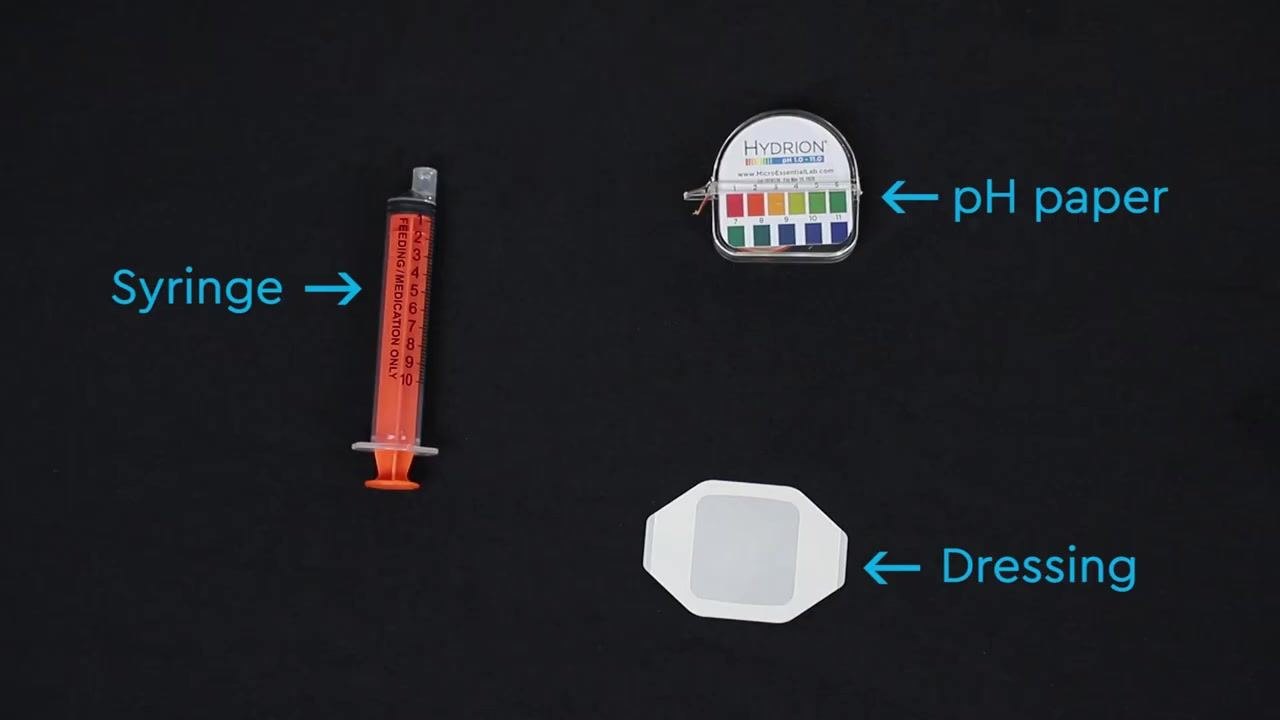
Materials used ("dosing regimen" equivalent): - Syringe labeled "FEEDING/MEDICATION ONLY" - pH paper (Hydrion brand or similar) - Dressing (adhesive patch)
Visit schedule overview: The procedure consists of preparation, syringe attachment, fluid withdrawal, pH testing, result interpretation, and finalization of tube placement, all performed in a single sitting.
Study duration: The full check takes approximately 115 seconds from securing the tube to finalizing placement.
Eligibility Criteria
Inclusion Criteria
- Child has an NG tube currently in place.
- Caregiver has gathered all required supplies: syringe labeled "FEEDING/MEDICATION ONLY," pH paper, and a dressing.
- The NG tube is secured, either with a dressing/tape or by holding it in place by hand, before the check begins.
Exclusion Criteria (Procedure Must Stop / Tube Must Be Removed)
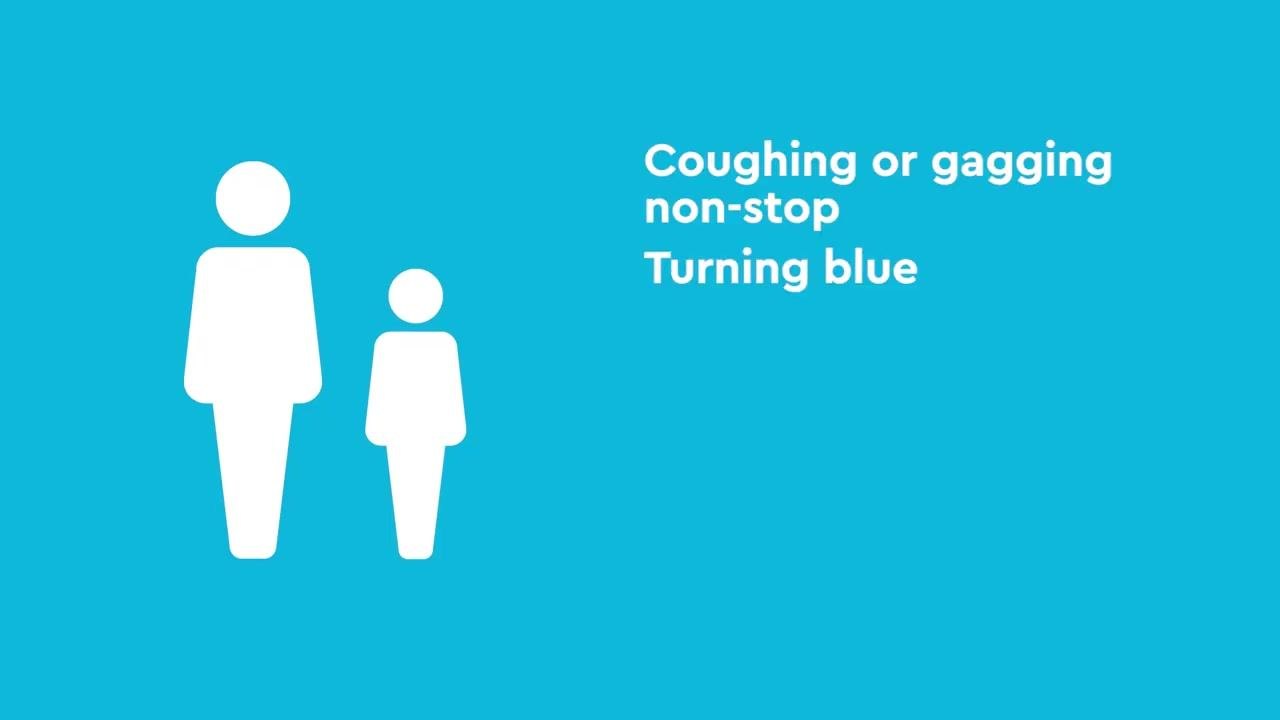
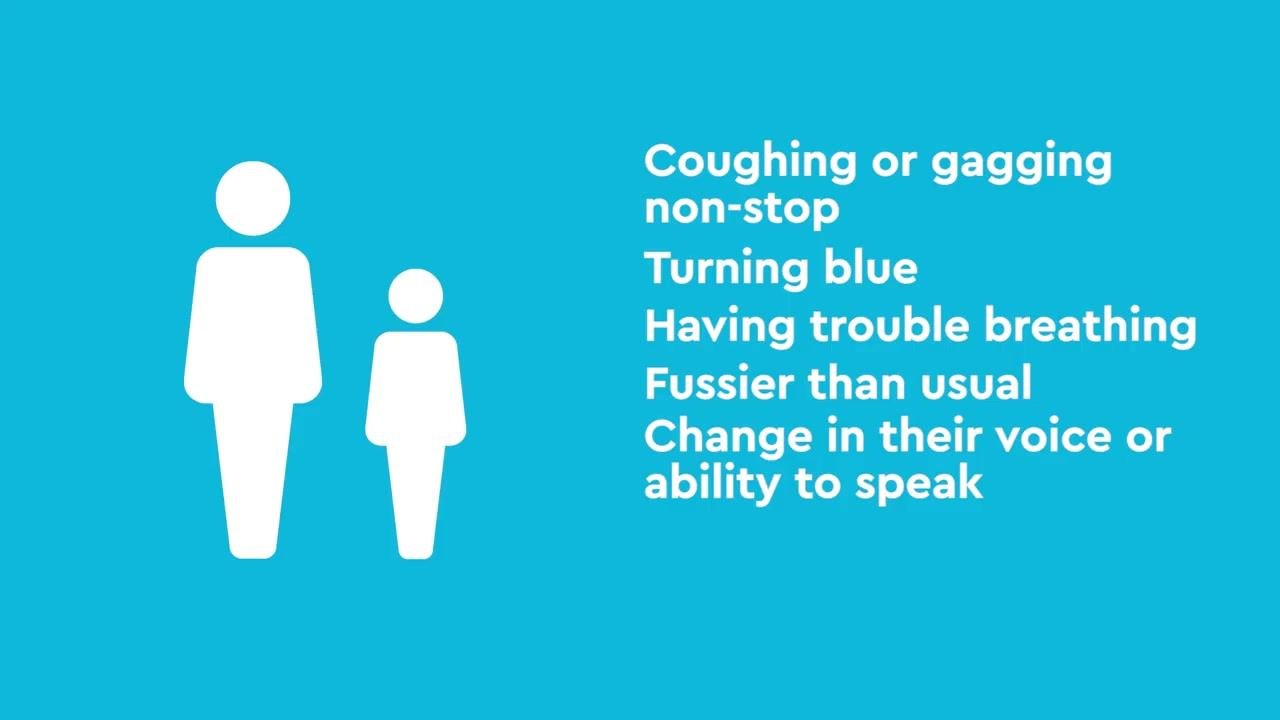
- Child is coughing or gagging non-stop.
- Child is turning blue.
- Child is having trouble breathing.
- Child is fussier than usual.
- Child shows a change in voice or ability to speak.
If any exclusion criterion is met, remove the tube immediately and call the child's doctor. Call 911 if the child continues to have any difficulty breathing.
Study Endpoints
Primary Endpoint: pH value of withdrawn stomach contents falls between 1 and 5, indicating the tube is likely in the stomach and safe to use for feeding or medication.
Secondary Endpoint: pH value greater than 5, indicating the tube may be in the lungs rather than the stomach; this endpoint requires removal of the tube and replacement with a new one.
Exploratory Endpoint: Presence or absence of warning signs (coughing/gagging, turning blue, trouble breathing, increased fussiness, change in voice) during or after the check, used to determine whether immediate medical contact is required.
Schedule of Assessments
| Step | Procedure/Assessment | Timing |
|---|---|---|
| 1 | Review disclaimer and educational purpose statement | 0:00:04 |
| 2 | Gather supplies (syringe, pH paper, dressing) | 0:00:04 |
| 3 | Secure the NG tube with dressing/tape or by hand | Prior to testing |
| 4 | Clamp tube and remove cap in preparation for testing | Prior to attaching syringe |
| 5 | Attach syringe to end of NG tube | 0:00:04 |
| 6 | Withdraw a small amount of stomach contents | 0:00:16 |
| 7 | Apply withdrawn fluid to pH paper and compare color | 0:01:18 |
| 8 | Interpret pH result (1–5 vs. >5) | Following step 7 |
| 9 | Monitor for warning signs; call doctor or 911 if needed | 0:01:25 |
| 10 | Finalize placement: remove guide wire (if present), tape tube securely | 0:01:25 |
| 11 | Access additional resources at childrenscolorado.org/ngtube | 0:01:47 |
Statistical Considerations
This procedure uses a threshold-based interpretation rather than a formal statistical analysis: a pH reading of 1–5 is classified as a successful (in-stomach) result, and a reading greater than 5 is classified as a failed (out-of-stomach) result requiring tube replacement.
No sample size calculation applies, as this protocol is performed on a single patient at a time by a caregiver rather than across a study population.
Analysis population and primary analysis method are therefore not applicable in the traditional clinical-trial sense; the "analysis" is the direct visual color comparison of the pH paper against its reference chart, as shown above.
Safety Reporting
Adverse Event Definitions: The following are defined as warning signs requiring action: coughing or gagging non-stop, turning blue, having trouble breathing, being fussier than usual, or a change in voice or ability to speak.
Grading: - Moderate: Any single warning sign listed above — remove the tube immediately and call the child's doctor. - Severe: Continued difficulty breathing — call 911.
Reporting Timeline: Action must be taken immediately upon observing any warning sign; there is no delay period before removing the tube or contacting medical support.
Oversight: Ongoing oversight and support are provided by the child's medical team. For further guidance, troubleshooting tips, and additional educational resources, caregivers should visit childrenscolorado.org/ngtube. No independent monitoring board applies to this home-care procedure.

Always consult your healthcare provider for personalized medical advice and support. Refer to childrenscolorado.org/ngtube for up-to-date instructions, troubleshooting tips, and additional resources related to NG tube care.
Generation details: cost, quality tiers, downloads
Docsie billed 1,000 credits ($0.70) to analyze this 2-minute video at standard quality. The rewrite, template fill and Word/PDF exports were included. The same video at each quality tier:
| Quality | Frames sampled | Credits | Approx. cost |
|---|---|---|---|
| Draft | every 16-30 s | 500 | $0.35 |
| Standard (this guide) | every 8-15 s | 1,000 | $0.70 |
| Detailed | every 4-7 s | 2,000 | $1.40 |
| Ultra | every 1-3 s | 4,000 | $2.80 |
Credits priced at $0.70 per 1,000; plans include a monthly allowance. Enterprise customers on on-premise or bring-your-own-model deployments run this on their own inference and pay no per-video credits.
Generated by Docsie Video-to-Docs on 2026-09-14 from a 1-minute video. It was generated straight into Docsie's Clinical Protocol Document template, so every section of that template is filled from the video. Screenshots are frames from the source video and belong to their creator, Children's Hospital Colorado, whose original is embedded above. If you own this video and want the guide removed or credited differently, contact us and we will act within one business day.