
4.8
on G2
Product, support, and operations teams use Docsie to evaluate screen recordings — process executions, onboarding flows, support walkthroughs. The AI extracts workflow steps and produces variance analysis, not just playback.

Product managers, support leads, and operations teams use Docsie's screen recording evaluation to audit workflows and surface process variance at scale





_Leader_Small-Business_Leader.svg)


_BestSupport_Small-Business_QualityOfSupport.svg)

Screen Recording Evaluation Capabilities
Existing tools record or document screen flows. Docsie evaluates multiple screen recordings against each other and produces variance findings.
| Screen Recording Evaluation Capability |
Docsie
AI Variance
|
Loom
|
Tango
|
Scribe
|
Manual Audit
|
|---|---|---|---|---|---|
| Records or imports screen recordings | |||||
| AI workflow step extraction | |||||
| Multi-recording variance analysis | |||||
| Process variance findings | |||||
| Time-on-task analysis per step | |||||
| Decision-point and branching detection | |||||
| Onboarding flow drop-off analysis | |||||
| Workflow audit report export | |||||
| Convert recording to documentation alongside audit | |||||
| Enterprise SSO & role-based permissions |
Video viewers show, Docsie evaluates. Capability comparison as of February 2026.
Workflow Audit Output
A real example: six recordings of the same customer onboarding workflow evaluated for variance, drop-off, and time-on-task.
How Screen Recording Evaluation Works
Docsie evaluates multiple screen recordings of the same workflow and produces variance findings.
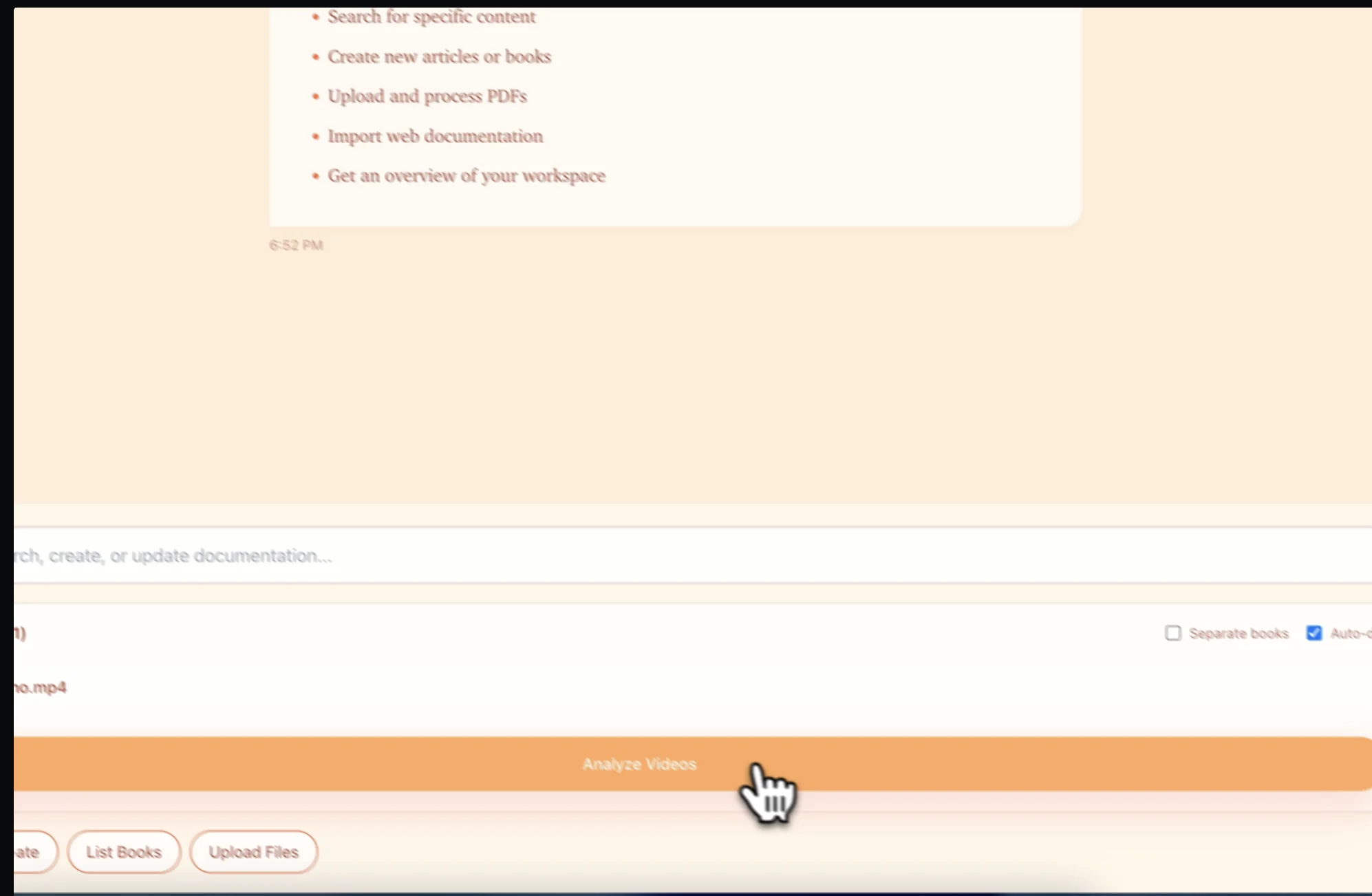
Drop in screen recordings — Loom, Teams, Zoom, OBS, QuickTime, or any MP4. Bulk upload supports dozens of recordings of the same workflow.
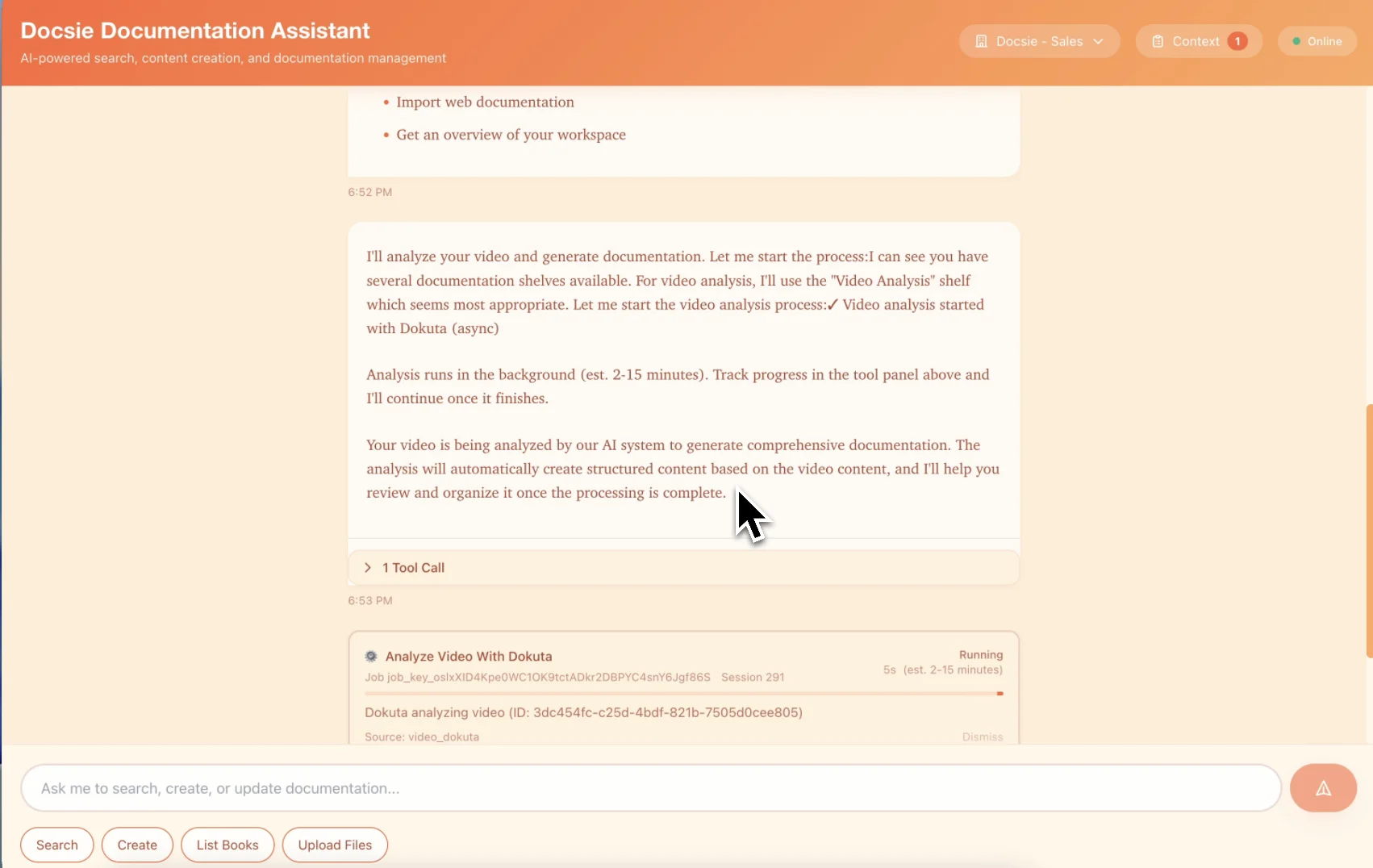
Pick from Docsie's templates (onboarding flow audit, support workflow review, internal process variance) or write your own. The AI extracts workflow steps and evaluates every recording.
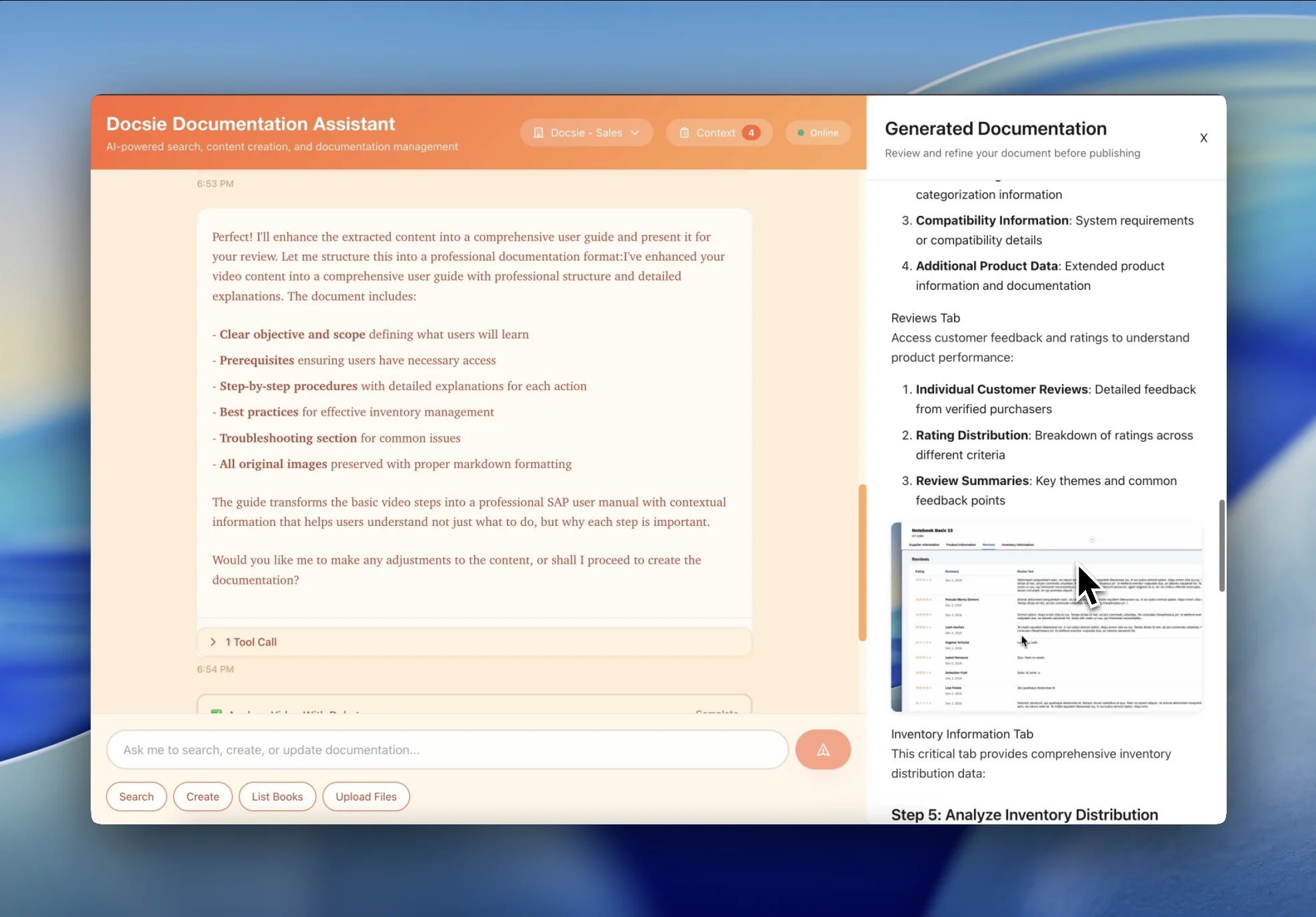
Receive a workflow step matrix, variance findings, time-on-task analysis, friction points, and a workflow audit export — all with timestamp evidence.
Screen Recording Evaluation Benefits
Six AI capabilities that turn screen recording libraries into workflow audit evidence
AI watches each screen recording and pulls out the workflow steps performed — clicks, navigation, form inputs, decisions. Structured data, not raw video.
Compare multiple recordings of the same workflow in a single matrix — see where executions matched, where they diverged, where steps were skipped.
AI measures per-step duration across recordings. Surfaces which steps consistently slow execution and which users complete workflows fastest.
Identifies where workflows branched based on user decisions or system state — useful for documenting conditional paths in product or support flows.
AI flags moments where users hesitated, backtracked, or appeared confused — invaluable for UX research and onboarding improvement.
After the audit, convert the reference recording into structured documentation in the same workspace, turning a verified workflow into a how-to article for review.
Three concrete audit scenarios where Docsie reduces manual screen recording review

Product teams use Docsie to evaluate customer onboarding screen recordings — surfacing drop-off points, friction moments, and step variance across user sessions. UX research becomes evidence-driven.

Support leads use Docsie to audit screen recordings of common ticket resolutions — surfacing variance in how agents handle the same issue and identifying the source-of-truth walkthrough for each scenario.

Operations teams use Docsie to evaluate screen recordings of internal processes — finance close, employee onboarding, vendor setup — and surface where execution deviates from the documented standard.
Common Questions
How Docsie evaluates screen recordings, surfaces workflow variance, and produces audit reports
Q: How does the AI screen recording evaluation tool work?
A: Upload multiple screen recordings of the same workflow (or workflows you want to compare). Docsie's AI watches each recording, extracts the workflow steps performed, and produces a variance matrix — what steps were performed, where executions diverged, time-on-task per step, and drop-off or friction points. All with timestamp evidence.
Q: What kinds of screen recordings can Docsie evaluate?
A: Docsie evaluates Loom, Teams, Zoom, OBS, QuickTime, and any MP4/MOV/WebM screen recording. Works with product onboarding flows, support agent walkthroughs, internal process recordings, sales demos, training screen captures, and user research session recordings.
Q: How is this different from Tango or Scribe?
A: Tango and Scribe convert a single recording into documentation. Docsie evaluates multiple recordings of the same workflow against each other — surfacing variance, drop-off, time-on-task, and friction. Use Tango/Scribe to document one workflow; use Docsie to audit how a workflow is actually being executed across recordings.
Q: Can I convert a recording to documentation after the evaluation?
A: Yes. Docsie bridges screen recording evaluation and video-to-documentation. After identifying the source-of-truth recording in your audit, convert it into structured documentation — how-to article, SOP, or onboarding guide — in the same workspace.
Q: What's in the workflow audit report?
A: A workflow step matrix (recordings × steps), variance findings, time-on-task analysis per step, drop-off and friction surface, decision-point detection, and a recommendations summary. Exportable as PDF, DOCX, or publishable to a Docsie knowledge base.
Q: Does Docsie detect when users hesitate or get confused?
A: Yes. AI flags moments where mouse movement suggests hesitation, where users backtrack or rewind their actions, where they retry a step, or where they pause longer than typical. These signals feed UX research and onboarding improvement.
Q: Can I compare recordings from different reps or users?
A: Yes. Docsie evaluates recordings from multiple users performing the same workflow — surfacing whose execution is fastest, who skips steps, who takes different paths, and which workflow path is the best version to document.
Q: Is the screen recording evaluation tool secure for enterprise use?
A: Yes. Docsie is built for enterprise security and privacy reviews, and supports enterprise SSO with role-based permissions. Screen recording files are encrypted in transit and at rest. Retention policies can delete source recordings after the audit report is generated.
Q: Can multiple reviewers collaborate on a workflow audit?
A: Yes. The workflow audit report is collaborative — product managers, support leads, and ops teams can comment, override AI findings, confirm variance, and sign off. Audit log captures every change for governance.
Ready to audit workflows with AI?
Book a DemoSee how Docsie's screen recording evaluation tool surfaces workflow variance, drop-off, and time-on-task across recordings — with a evidence-backed audit report.
No credit card required. 14-day free trial.